Someone’s Stage and the Context Behind Its Creation
Dubai’s cultural map now includes a newly established performance venue. The formation of Someone’s Stage is a direct result of an obvious deficit in the regional performance landscape. Venues that currently exist tend to prioritize capacity, scale, and visual appeal. Few venues address how stage technology behaves during performance, how absence carries meaning, or how technical systems withdraw rather than dominate.
Asil Ersoydan, who founded and owns the place, is presenting it as a technical hub first and foremost. They had a basic idea when planning the venue. Stage tech ought to aid perception, not distract from it. Production systems should remain present yet optional. Visual presence should remain adjustable.
Development prioritized a technical plan instead of a set programming schedule. The initial focus was on equipment selection, surface treatment, light behavior, acoustic response, and optical depth, with scheduling discussions to follow. The result positions Someone’s Stage as a venue conceived from the inside outward.
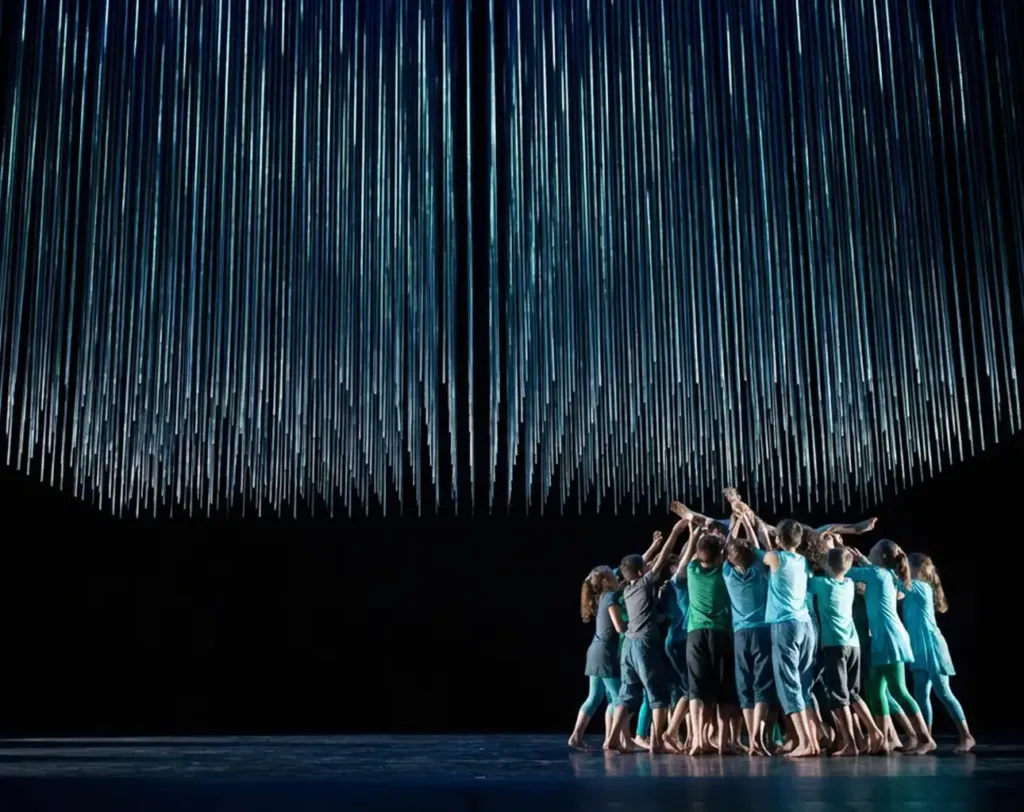
A Technical Philosophy Rooted in Absence
Asil Ersoydan frames the venue’s core idea in terms of subtraction. Many performance spaces accumulate features. Someone’s Stage removes assumptions. Fixed visual cues disappear. Hierarchies between front stage and backstage soften. The technical presence continues to be contingent.
Stage components operate as layers, unlike how objects would. Volume is either made visible or hidden by the presence of light. Sound respects silence as much as projection. Surfaces appear or dissolve depending on the angle and illumination. The venue operates less like a container and more like a responsive field.
This mindset steered all the tech choices. Systems tend to steer clear of making permanent declarations. Systems instead await commands.
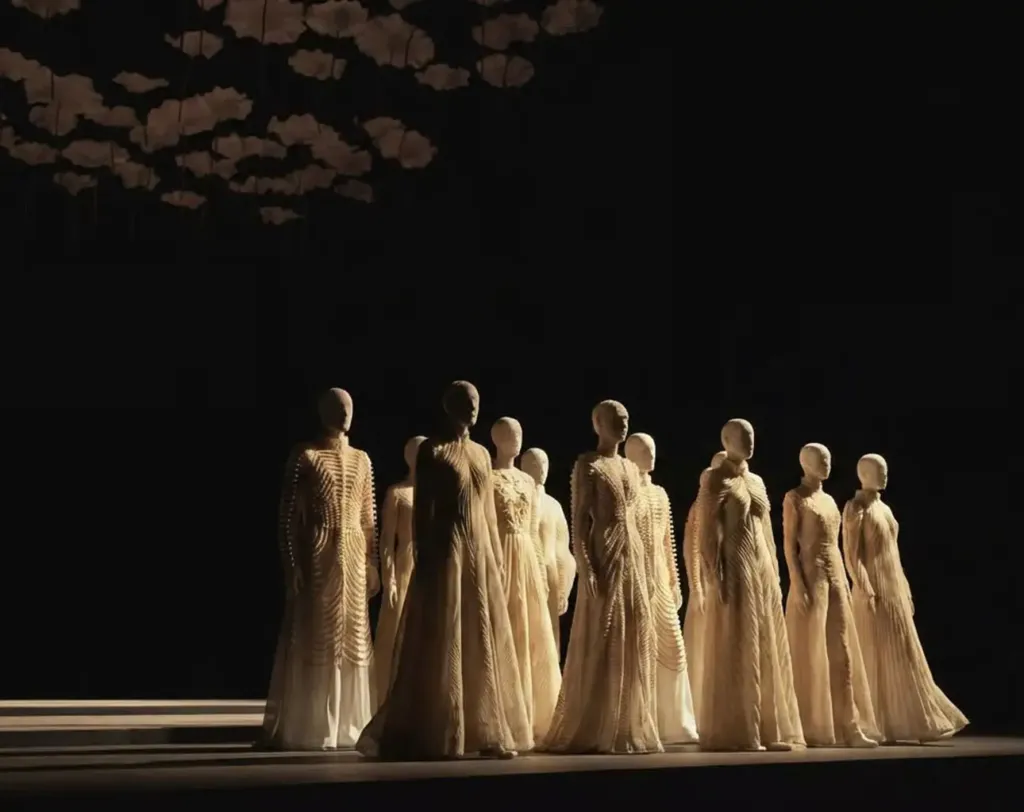
Stage’s Optical Illusion Capability
A defining technical element within Someone’s Stage is a ghost-curtain system designed for Pepper’s Ghost compatibility. Unlike conventional scrims, the ghost curtain operates as a multi-behavior surface.
Front illumination allows projection while retaining partial transparency. Rear illumination removes the visual presence. Holographic illusions, using combined angles, enable physical and projected figures to appear together.
Such systems remain uncommon in the region. Many venues rely on decorative scrims or fixed projection surfaces. Someone’s Stage integrates the ghost curtain as an active narrative instrument rather than a scenic accessory.
The system allows appearances without physical entry, disappearances without curtain calls, and transitions without mechanical interruption. Visual continuity remains intact during scene changes.
Optical Depth Control and Perceptual Space Management
Physical measurements define stage size in most venues. Perceived depth is the main focus of Someone’s Stage. Dimensional dependence is eliminated by optical manipulation.
Black-box treatment supports depth expansion or compression. Light falloff alters spatial reading. Semi-transparent layers allow background activity to register as presence rather than noise. Figures appear suspended or distant without physical movement.
With this optical management, a single location can host productions that require distinct spatial aesthetics. Minimalist performance is improved by compression. Expansion is advantageous for movement-based tasks. The stage changes its response, yet its physical form remains the same.
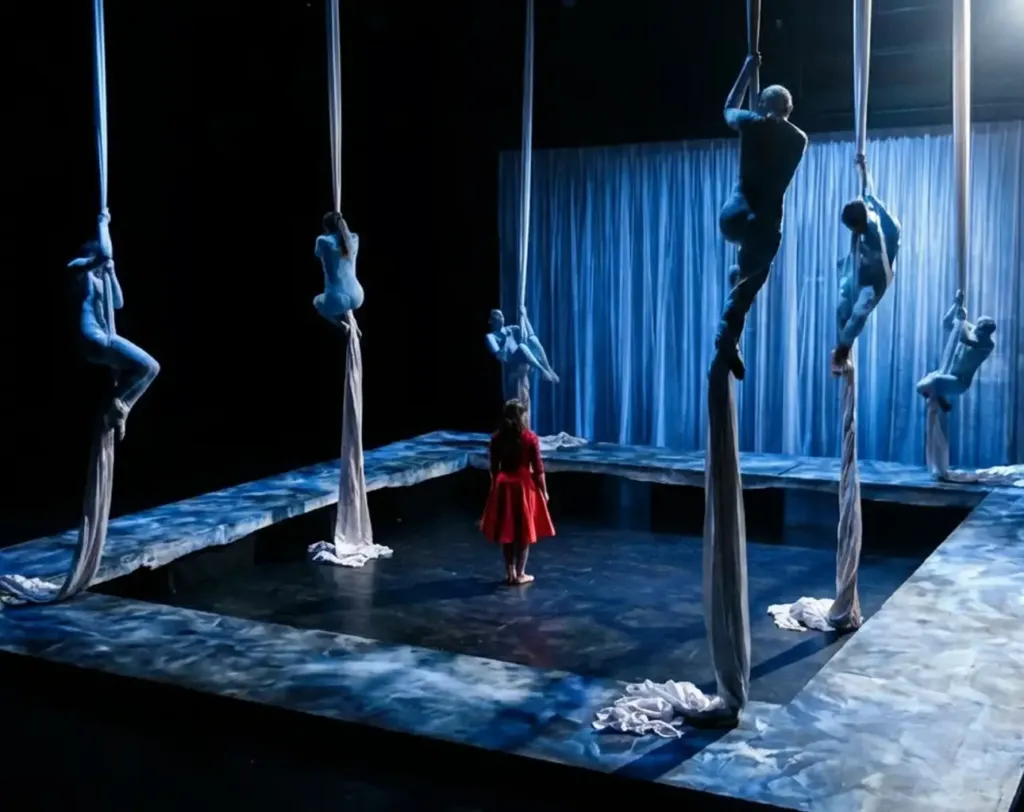
Lighting Architecture Without Fixed Axis
Lighting infrastructure inside Someone’s Stage rejects a single frontal logic. Systems distribute capability across lateral, vertical, and rear positions. Illumination no longer assumes performer priority.
Silhouette gains equal value. Negative space receives deliberate attention. Shadow participates as content rather than an artifact.
Such freedom allows directors and designers to prioritize absence, delay, or ambiguity. Performers appear gradually. Figures remain partially concealed. Technical systems permit ambiguity without loss of legibility.
This approach supports experimental performance without sacrificing technical reliability.
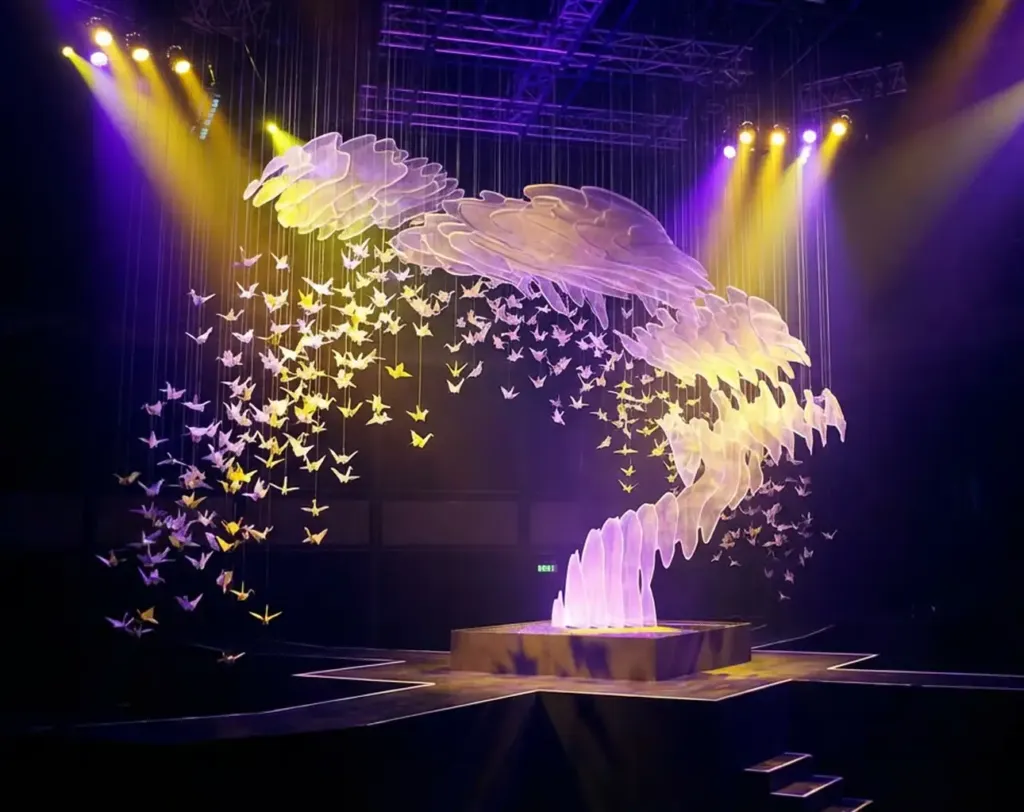
Acoustic Design Respecting Silence
Someone’s Stage employs acoustic treatment that prioritizes sound containment over mere amplification. Without sterilization, the reverberation continues to be managed. Speech possesses texture. You can still hear the silence.
Many venues optimize loudness. Someone’s Stage calibrates for dynamic range. Soft passages keep presence. Pauses hold tension. Breathing registers without magnification.
This acoustic behavior complements the visual philosophy. Silence functions as a compositional element. Absence carries structure.
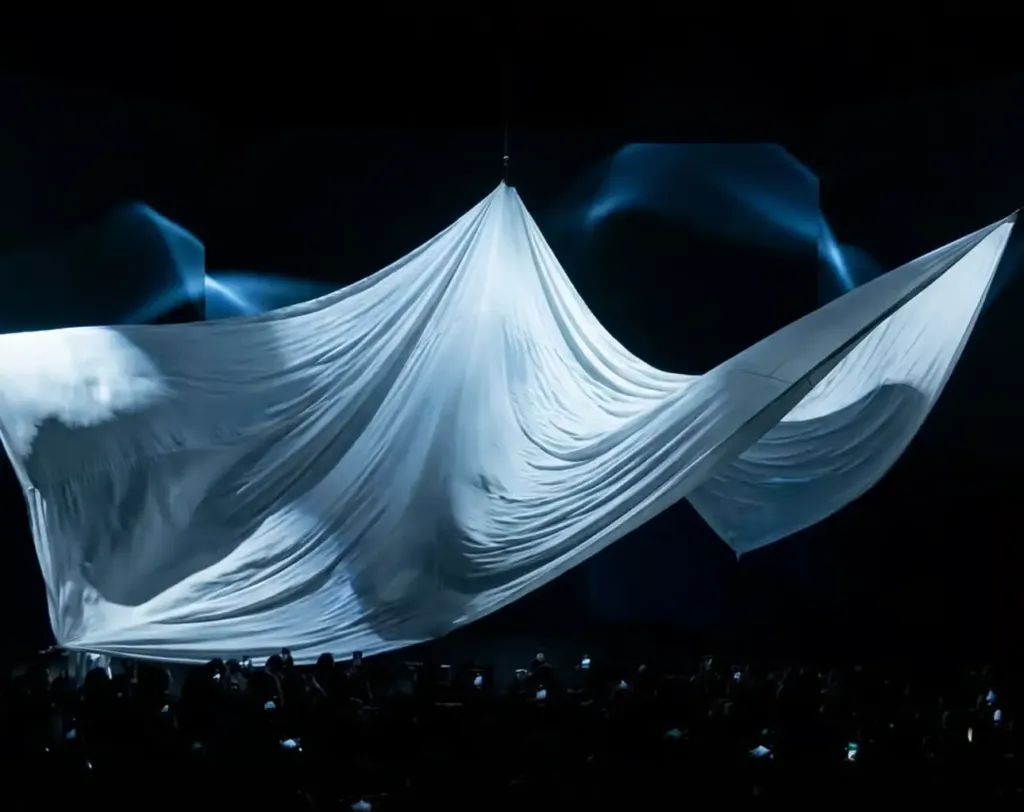
Visibility Control of Technical Systems
The technical equipment inside Someone’s Stage operates in two distinct modes. Full concealment removes all mechanical presence. Intentional exposure allows the equipment to participate.
The choice rests with production teams. Rigging, fixtures, and movement remain optional visual contributors. No default hierarchy imposes itself.
The flexibility covers a broad range of work, including performance art and straightforward production.
Development Process and Technical Intent
Asil Ersoydan describes the development process as sequential and deliberate. Technical behavior preceded design finish. Decoration followed the implementation of performance logic. Every element entered the space with a reason.
The venue’s creation avoided replication. Reference studies included experimental theaters, contemporary performance laboratories, and installation-driven spaces. Direct imitation received no role.
Dubai’s cultural infrastructure often prioritizes completion over calibration. Someone’s Stage reverses this order. Calibration defines readiness.
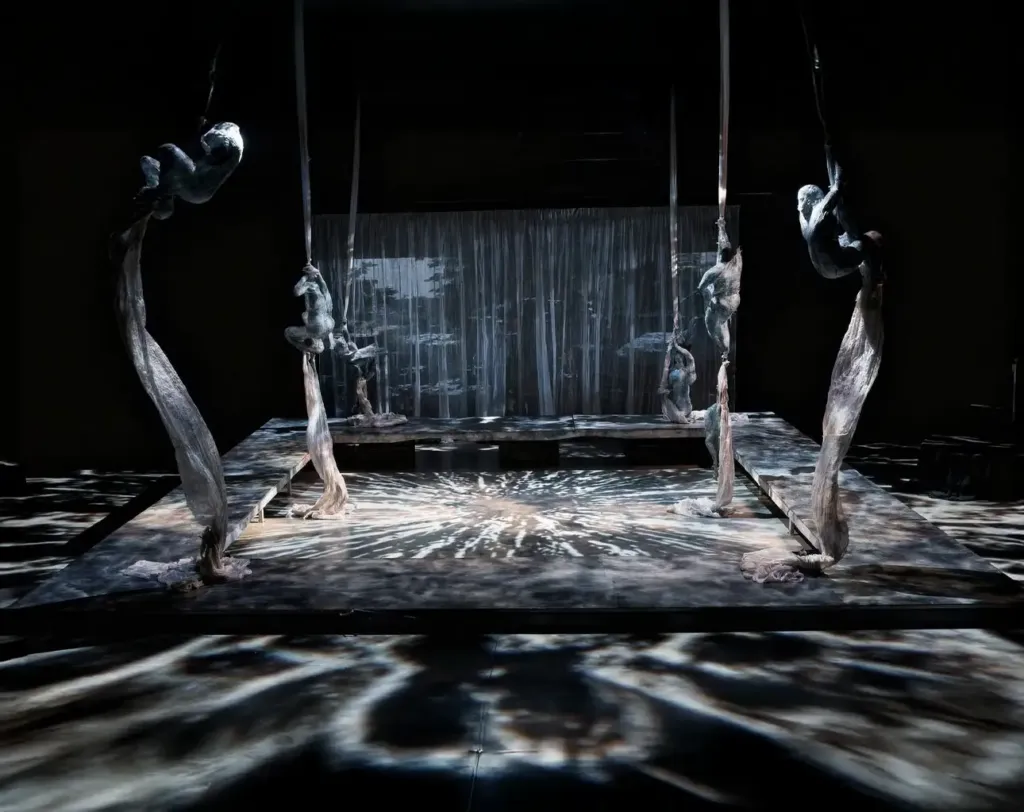
Position Within Dubai’s Cultural Infrastructure
Dubai continues to expand its cultural infrastructure. A few additions introduce new operational logic. Someone’s Stage contributes a distinct category.
The venue supports first presentations, technical rehearsals, and early-stage work without demanding scale. International production teams encounter fewer constraints. Experimental formats gain structural support.
Technical intelligence receives equal priority to presentation.
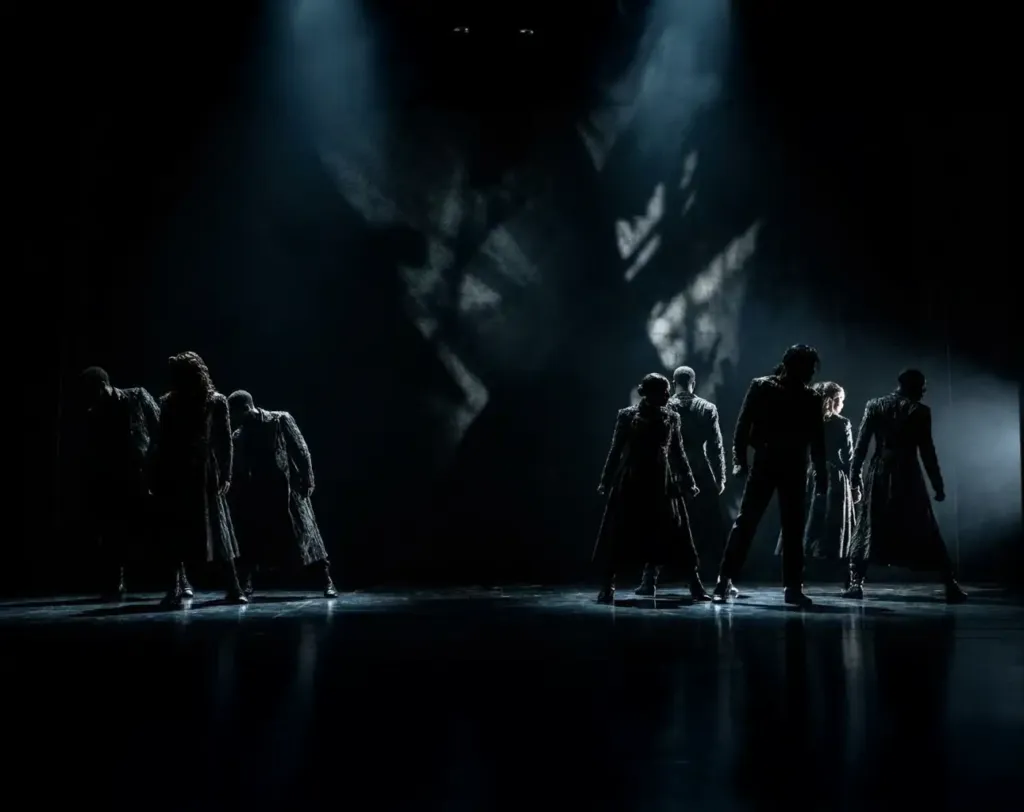
A Singular Addition to the Global Performance Map
Someone’s Stage enters Dubai as a performance environment built on technical reasoning, perceptual control, and disciplined restraint. Ghost curtain capability, optical depth management, acoustic calibration, and variable system visibility establish a platform rare within the region and uncommon internationally.
The location provides added structural robustness over impressive aesthetics. Performance gains a space where technology withdraws, perception leads, and absence communicates with authority.