

Corporate stage show production in Dubai requires the client and creative team to agree on what the performance will communicate within the event’s program. Your show may introduce a product or follow an executive speech. Its place in the evening affects the opening and the audience’s attention. Establish that purpose in the brief so the artistic team can propose a performance that fits the actual event.
Consider a hypothetical company planning a dance performance to introduce a new product during a corporate reception. Guests need to see the product at an agreed-upon moment, and the executive needs a clear exit after the performance. The client can explain that relationship during the initial discussion. Choreography can then include the handover within the approved performance plan.
Approve the Creative Idea Against the Event Brief
Your creative brief should explain the audience and the message the company wants the performance to communicate during the scheduled program. Describe the setting using the venue’s confirmed plan. Specify the performance length in a separate instruction. The creative team can use that information to propose an opening and an ending that fit the event’s timing.
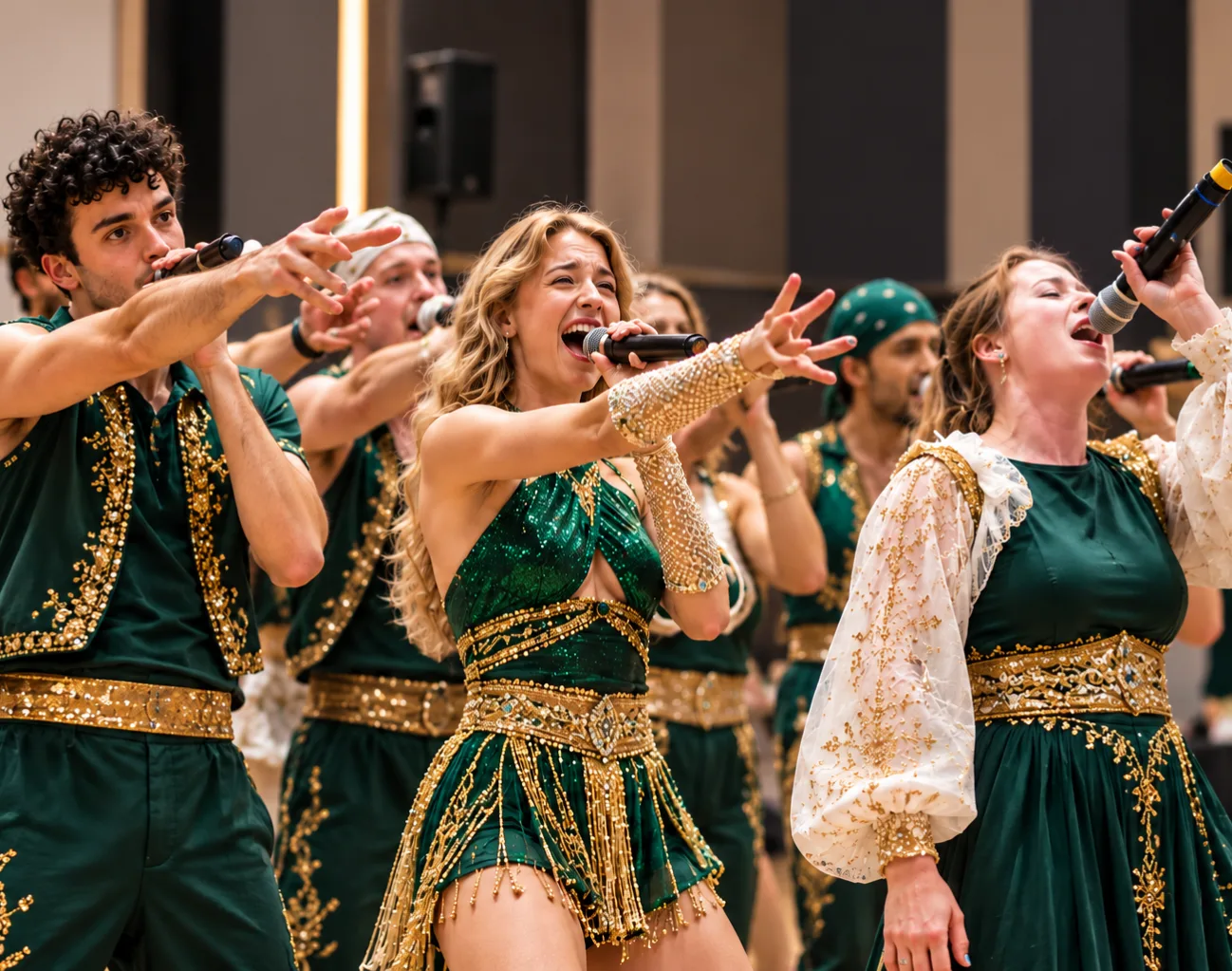
Mystic Family’s choreography work is relevant when a corporate commission requires movement developed around the event’s approved creative concept. Ask how the proposed choreography relates to the brand’s approved concept. Discuss the audience’s viewing position and the performer’s entrances. Client approval becomes more useful when it addresses those decisions through a rehearsal recording or another agreed creative reference.
The approval process should designate a client contact to address creative questions while the team prepares the performance for the event. Collect comments into an agreed revision request. Your creative lead can explain the consequences for rehearsals when a change affects the music or movement. Recording the decision helps everyone work with the same approved material during preparation.
Confirm the Performance Area and Viewing Conditions
The venue’s confirmed performance area affects what choreography can accommodate, so the artistic team needs accurate information early in the production process. Request a current floor plan and arrange a site review where appropriate. Stage access deserves its own discussion. The performers’ route to the performance area needs to work within the event team’s operational plan.
Audience viewing positions can change how a movement reads during a performance, particularly when guests watch from dining tables. Ask the creative team to review sightlines with the venue. Someone seated at the side may see a different relationship between the performers and the product. The choreography can account for the viewing arrangement once the client and venue confirm the layout.
Technical suitability belongs with qualified personnel who can assess the proposed activity against the venue’s actual conditions and operating requirements. The UK Health and Safety Executive’s event planning guidance recommends planning proportionate to the event’s scale and risk. Its guidance supplies a general planning reference for this discussion. Dubai permissions require separate confirmation through the relevant local authorities and the event organizer.
Prepare Music and Costumes for Rehearsal
The approved music edit needs a stable version that performers and technicians can identify when they rehearse the show’s entrances and ending. Agree on who will issue the final audio file. Keep revision information attached to that file. Choreography prepared against one recording needs a review when a later edit changes the timing around a performer’s entrance or a product’s appearance.
Costume decisions should account for the movement the performers will execute and the appearance the client has approved for the event. Mystic Family’s costume design atelier describes its costume design and production work. Discuss the design proposal alongside the choreography during preparation. Fittings allow the team to review the garment on the performer and assess movement with the costume designer.
The production schedule needs time for costume checks during rehearsal so the team can assess how the approved design behaves during the actual performance. Accessories deserve attention when the choreography includes fast movement. Footwear needs the relevant performer and production team’s review. Decisions regarding physical suitability belong to the specialists responsible for the activity and are supported by the venue’s requirements.
Use Rehearsal to Check the Handover
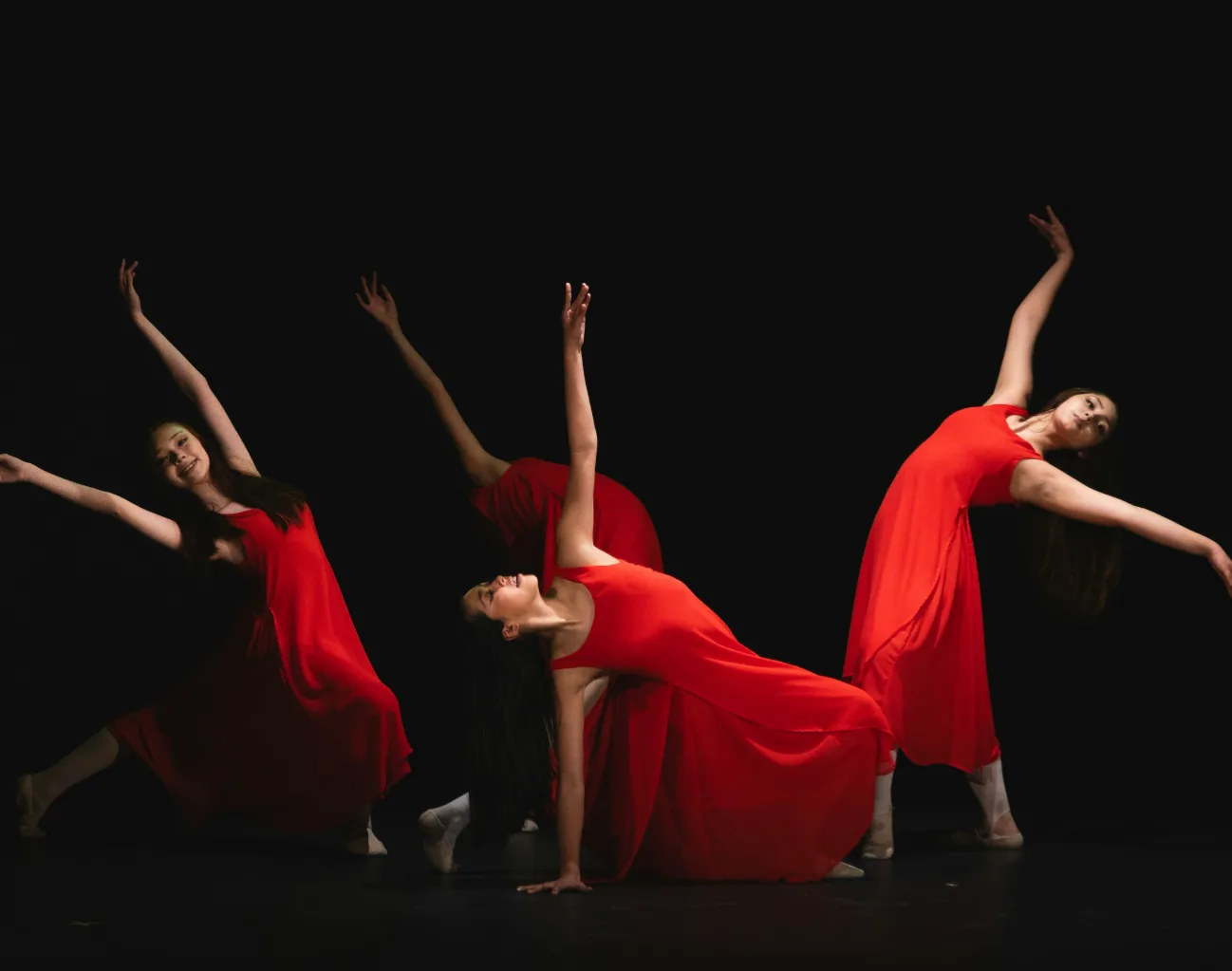
Rehearsal allows the client and creative team to examine the performance against the approved concept while performers develop familiarity with the material. Agree on what the client will review at a particular rehearsal. Early feedback might address the relationship between the movement and music. Later approval can review the overall performance and its connection to the next program item.
For the hypothetical product introduction, the rehearsal should include the product’s appearance and the executive’s entrance after the performance has finished. The stage manager can confirm the cue that starts the handover. Performers need an agreed exit route. Rehearsing that transition lets the team assess the time required for the next speaker to reach the designated position.
Technical rehearsal needs the relevant production personnel to test their cues alongside the approved performance and the event’s current running plan. Audio playback must use the confirmed file. Lighting decisions need a review with the team responsible for the performance area. Record agreed changes in the working documentation, so later instructions refer to the version that received approval.

Confirm Responsibilities for Event Day
The client should know which person approves a show change and which person directs the performance when the event reaches its scheduled cue. Confirm the communication route during the production discussion. Performers need instructions through the agreed contract. Requests arriving during the evening can then be assessed against the approved performance and the time available in the program.
Dubai’s event permissions need review against the particular event, with the organizer confirming the applicable application and supporting information through the official process. The Dubai Department of Economy and Tourism’s events and activations page provides the relevant entry point for permit information. Ask the organizer to confirm responsibility for approvals with the venue. Written confirmation should refer to the performance being proposed for the event.
Your booking discussion with Mystic Family can begin with the event’s purpose and the performance’s place in the program, supported by the venue’s confirmed information. Share the proposed date through Mystic Family’s website and explain the creative result your company wants to discuss. The team can assess the proposed performance against the brief and identify the preparation
