Circus entertainment in Dubai works best for a corporate program when the chosen act captures the audience’s attention during its allotted interval. Guests watching an acrobatic duet need a sustained view; a character greeting arrivals has a different relationship with the audience. Decide what guests will be doing when the performers appear, then assess the proposed routine in full. Edited promotional clips often omit the pauses between tricks, which are useful evidence when choosing a show.
Choose an Act for a Specific Part in the Evening
During a seated dinner, a circus act competes with conversations and the movement around tables if the meal continues throughout the performance. Reserve a performance interval after plates have been cleared if the routine asks guests to follow a developing scene. For reception entertainment, ask how someone arriving halfway through will be brought into the action. Short encounters with a recurring character suit a different brief from a seated show whose opening establishes the joke.
Acrobatic Duets and the View from the Tables
For an acrobatic duet, review how the performers develop their routine together and how much floor-level movement the audience will see from the proposed seats. Low balances deserve particular attention in a dining layout, where the nearest tables may obstruct the view. Ask for a recording from a fixed position in the audience. Close-up editing makes it harder to assess the act’s pace or judge how the whole performance looks at a distance.
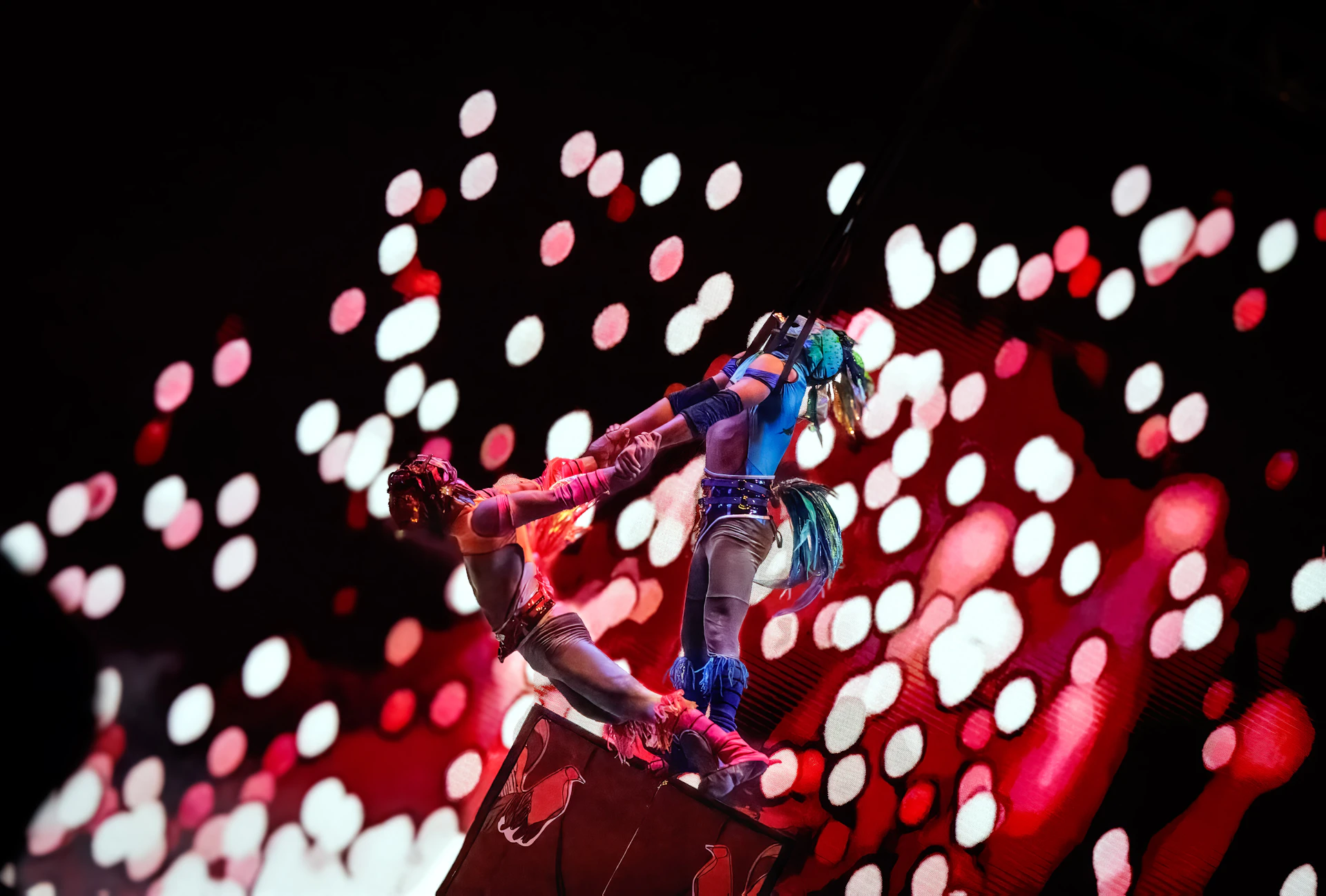
To discuss casting with Mystic Family, use its acrobatic performance page to compare the available solo and group formats for your program. If two acts appeal for the same reason, watch their recordings within the proposed running order. Repeating a similar balancing passage may use program time you would prefer to spend on a different circus skill.
Character Work Needs a Performance Brief
Character performers create much of a circus program’s theatrical identity through their behavior, especially during entrances or short exchanges between physical acts. What does the character want from the scene, and how does the next performer respond? Rehearse the exchange in addition to the announcement. If a ringmaster claims a juggler’s hat, the cast needs to work out when the joke reaches its finish and who keeps the prop.
For a corporate audience, agree on the comedy’s subject and the permitted guest involvement while the material is still being developed. Use an approved script when the act mentions the company or an employee. Improvisation needs an agreed-upon boundary, particularly when managers and colleagues will be watching the same exchange. Invite volunteers with an explicit invitation and an easy option to keep watching; any physical participation should be included in the act’s professional risk assessment.
Connect the Acts with Rehearsed Scenes
Circus acts often arrive with established music and their own finish, so placing them side by side requires a decision about the pauses between performances. Allow the first routine’s final image to register with the audience, then decide what guests see during the changeover. If a character remains on stage, rehearse that scene alongside the actual movement of the equipment. The scene’s duration must fit the crew’s approved working method.
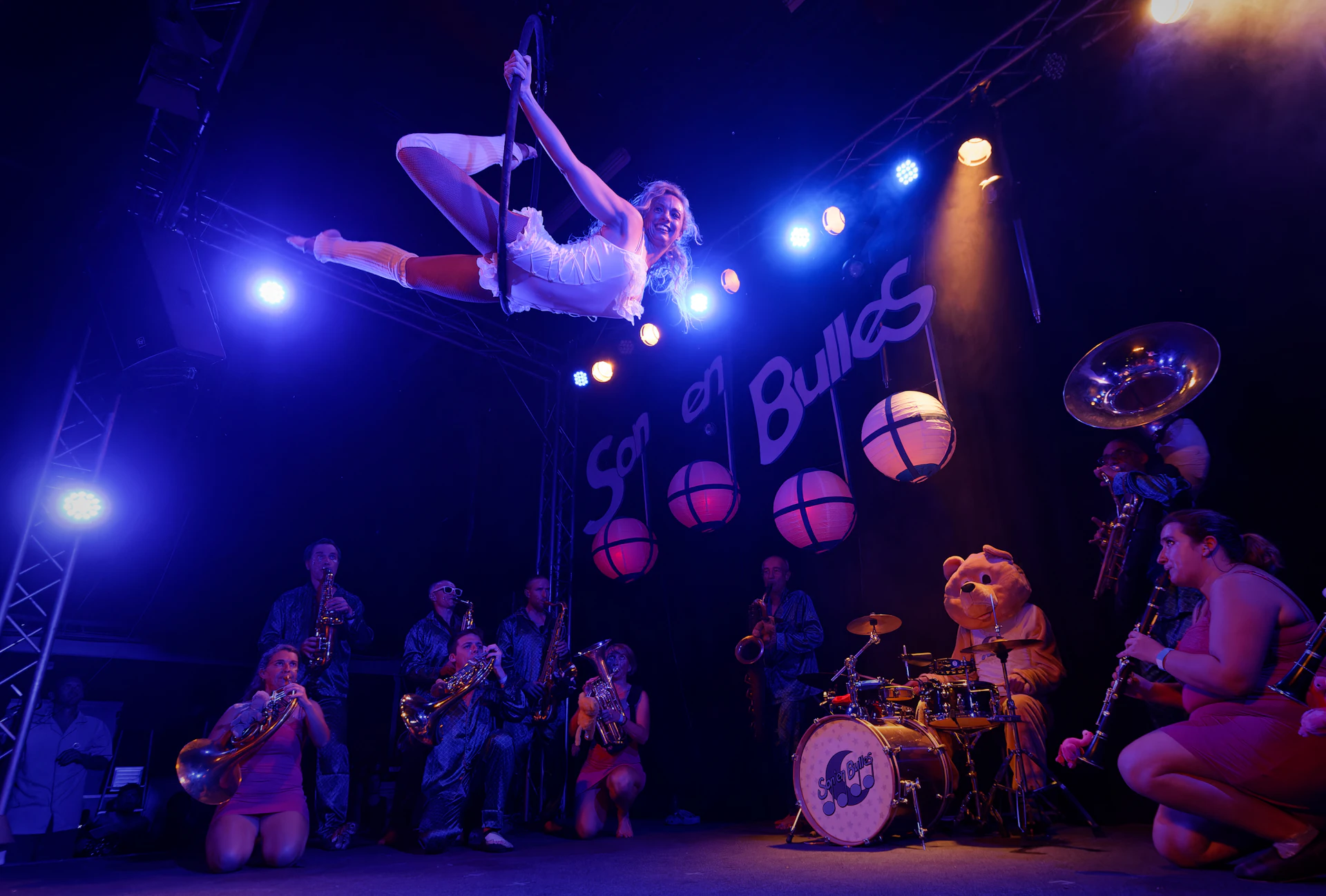
In a proposed dinner program pairing juggling with an acrobatic duet, a recurring character offers a way to develop a joke during the changeover. Leave the working area available for the crew when rehearsing the character’s return. During the joint rehearsal, assess how long the audience waits for the second act to begin. If the changeover exceeds the available interval, revise the connecting scene with the artistic director.
Costumes Must Support the Character’s Actions
When an acrobat wears a costume designed for a character entrance, how does the garment behave during the more demanding passages in the routine? Ask the designer to watch the proposed entrance in costume, particularly when the character carries a prop or approaches guests. Changes to a sleeve or headpiece deserve another movement check with the artist. During a comic exchange involving a hat, the cast needs the actual headpiece for the prop work.
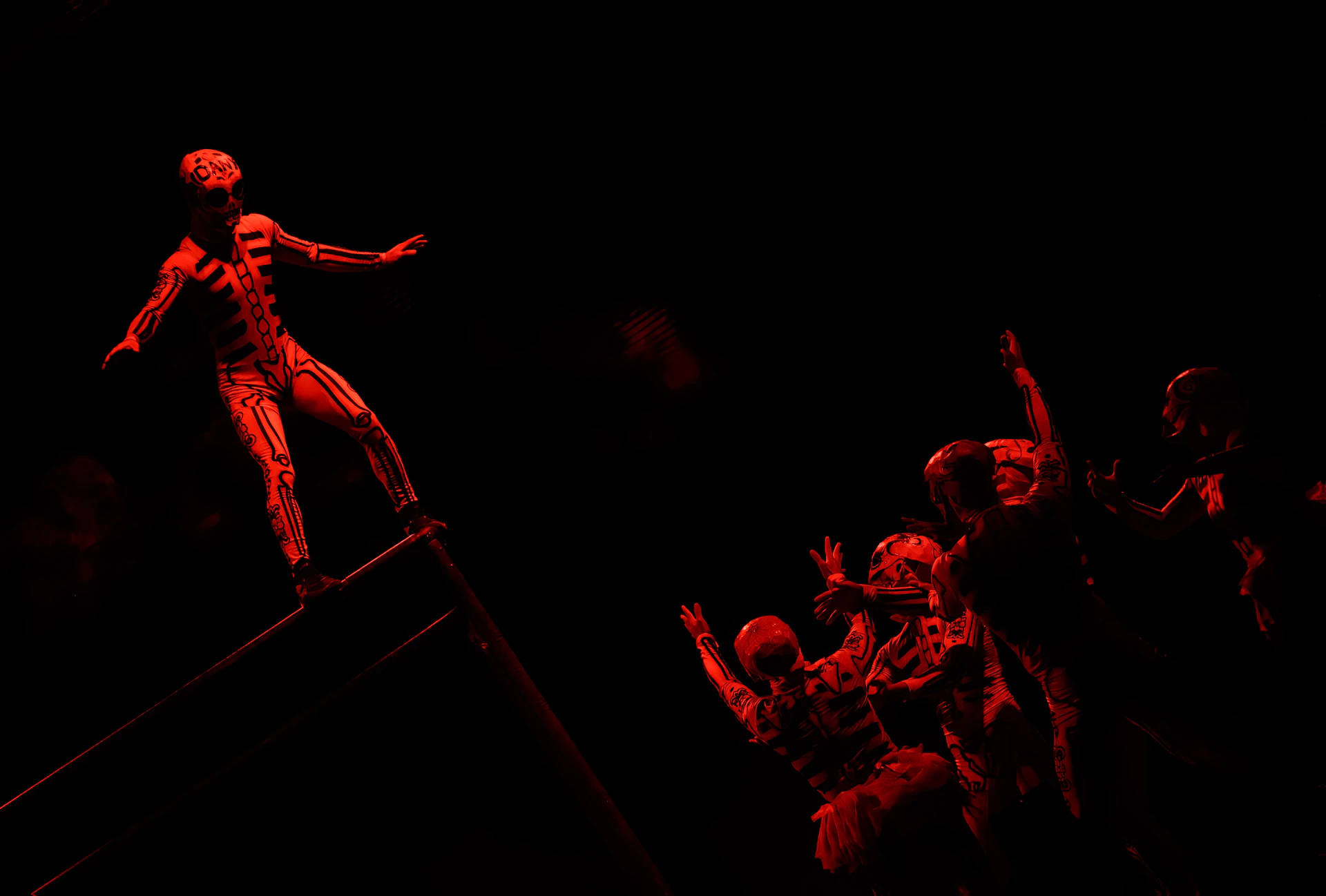
Mystic Family’s Costume Atelier develops stage outfits in its own workshops, where proposed garments are cut and sewn for performance work. Discuss the character’s actions alongside the garment proposal so the design work starts with the intended performance. For a cast using a shared visual theme, review a full-cast rehearsal in the proposed outfits. Details sized for a close encounter may need a different treatment on a distant stage; ask the designer to assess them from the intended viewing positions.
Confirm the Performance Area and Its Approval
Qualified production personnel need to assess the proposed circus routine at the chosen venue, even when the entire act takes place at floor level. Submit the actual routine to the venue team with a layout showing the audience positions. In its event management guidance, the UK Health and Safety Executive addresses coordination among contractors based on their risk assessments. Use this advice as a planning reference alongside the Dubai event’s locally confirmed approval conditions.
Dubai’s tourism department requires an event permit for entertainment events, with applications submitted through the e-Permit portal described in its event permit information. Confirm the applicable application with the organizer and request the venue’s approval for the proposed circus activities. If aerial elements are included in the proposal, commission a separate rigging assessment from qualified specialists. Proposed fire effects belong in their own approval discussion, even when they occupy a brief passage within another act.
Ask for a Proposal You Can Rehearse
Read the circus proposal alongside the event schedule to assess the quoted cast’s performance durations against the available entertainment interval. The schedule needs an allowance for changeovers and the host’s announcements. If a shorter show is needed, ask the artistic director to propose an edited version for rehearsal. Removing minutes from a routine changes its musical timing and may remove the preparation for its final passage.
When contacting Mystic Family for a circus proposal, describe the event’s planned audience arrangement alongside the performance format you want to discuss. Include a performance reference with a note identifying the particular passage you like, then ask for a proposal covering the act’s place in the evening. Mystic Family’s choreography team works on movement for event performances. Discuss rehearsal with the proposed cast so the final review includes the character scenes between the physical acts.