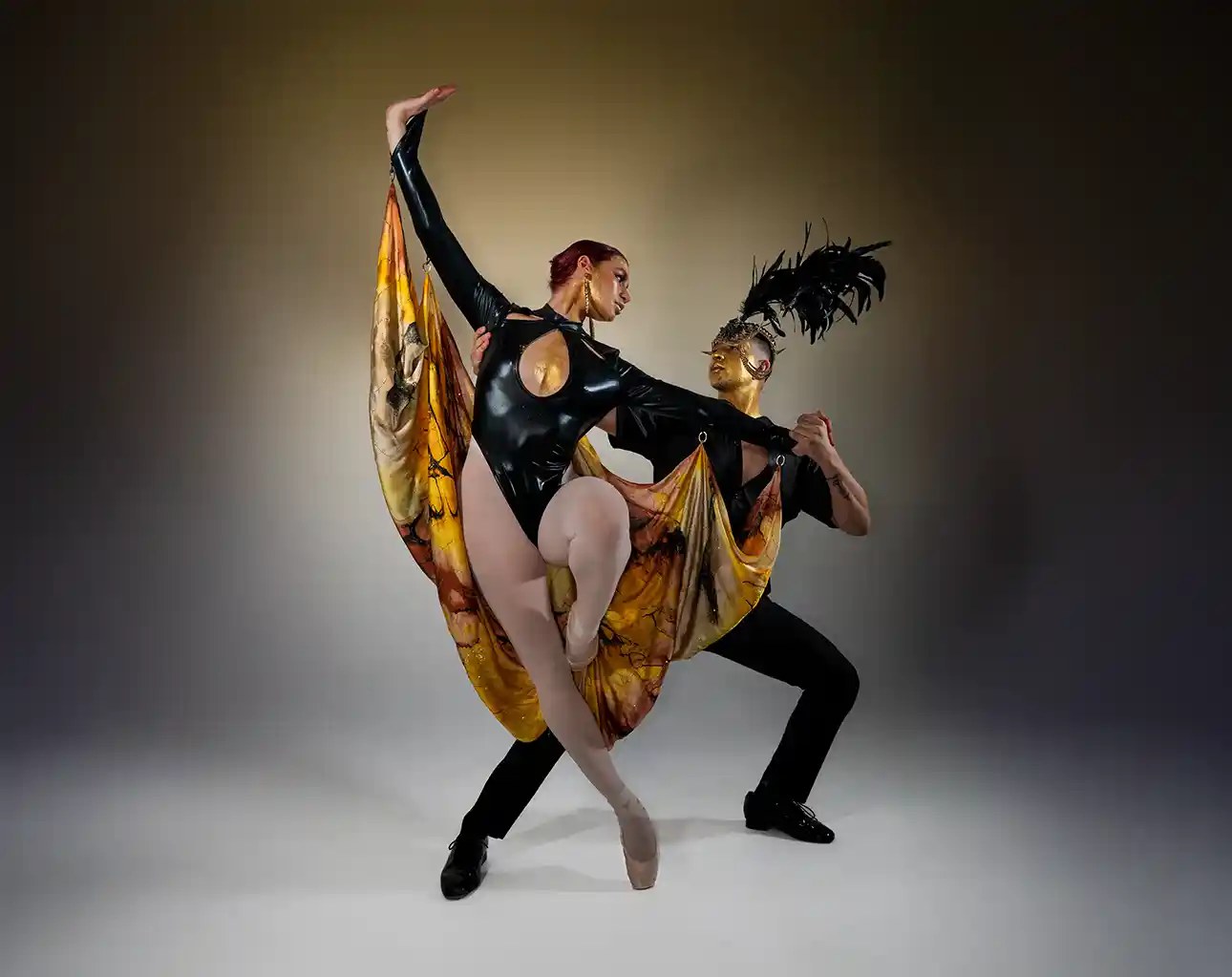
The distance between a dancer’s entrance and the first musical accent changes when a production moves to a different stage, so the cast needs to rehearse how its choreography travels. Familiar movement takes on different spatial demands at the receiving venue. If the entrance is farther away, the choreographer has a specific timing problem to solve ahead of the performance.
For professional dancer training in Dubai, international stage preparation deserves its own rehearsal brief alongside the cast’s continuing technique work. Mystic Family’s choreography team develops performances in collaboration with the other creative departments. For a production traveling to another country, that artistic work must remain intelligible to a receiving crew and achievable within the destination’s actual stage layout.
Keep the Musical Interpretation in the Movement
Dancers need to know which musical detail motivates a phrase so that the same movement retains its meaning when the audience or stage position changes. Ask the choreographer where a gesture begins in the music and where its energy releases. Counts establish shared timing; the phrasing explains how the movement feels between those counts.
Rehearsal footage is useful when the cast compares the complete phrase with the choreographer’s notes, especially where a pause appears longer to the audience. Review the transition into the next passage alongside the final position. If the director changes the musical edit, rehearse the revised passage with the actual playback file and keep that version available to the destination’s operator.
Prepare the Dancer for the Actual Repertoire
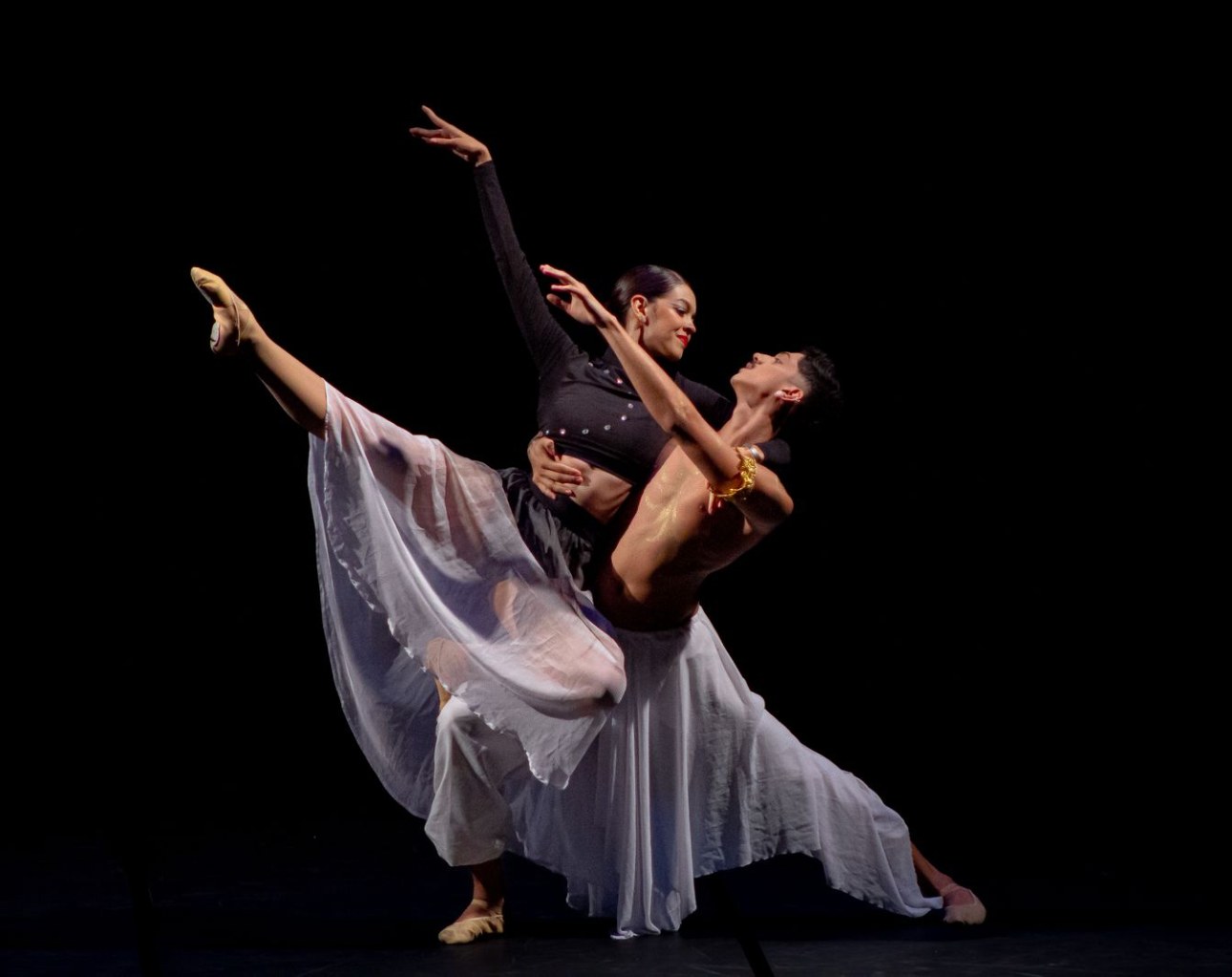
Physical preparation starts with the movement demands in the assigned production, with qualified dance specialists assessing the training appropriate to the performer. One Dance UK’s professional guidance treats work periods and recovery as part of the same seasonal plan. For discussions with the production team, use those recommendations as a UK professional reference alongside the destination’s employment requirements.
Warm-up preparation deserves a planned place in the call schedule, particularly when the cast has limited access to the destination’s rehearsal space. One Dance UK’s dancer education material addresses individual preparation and gradual progression toward the planned activity. Discuss a suitable routine with a qualified teacher; personal symptoms or an injury require assessment by a qualified health professional.
Develop Ensemble Awareness Away from Familiar Mirrors
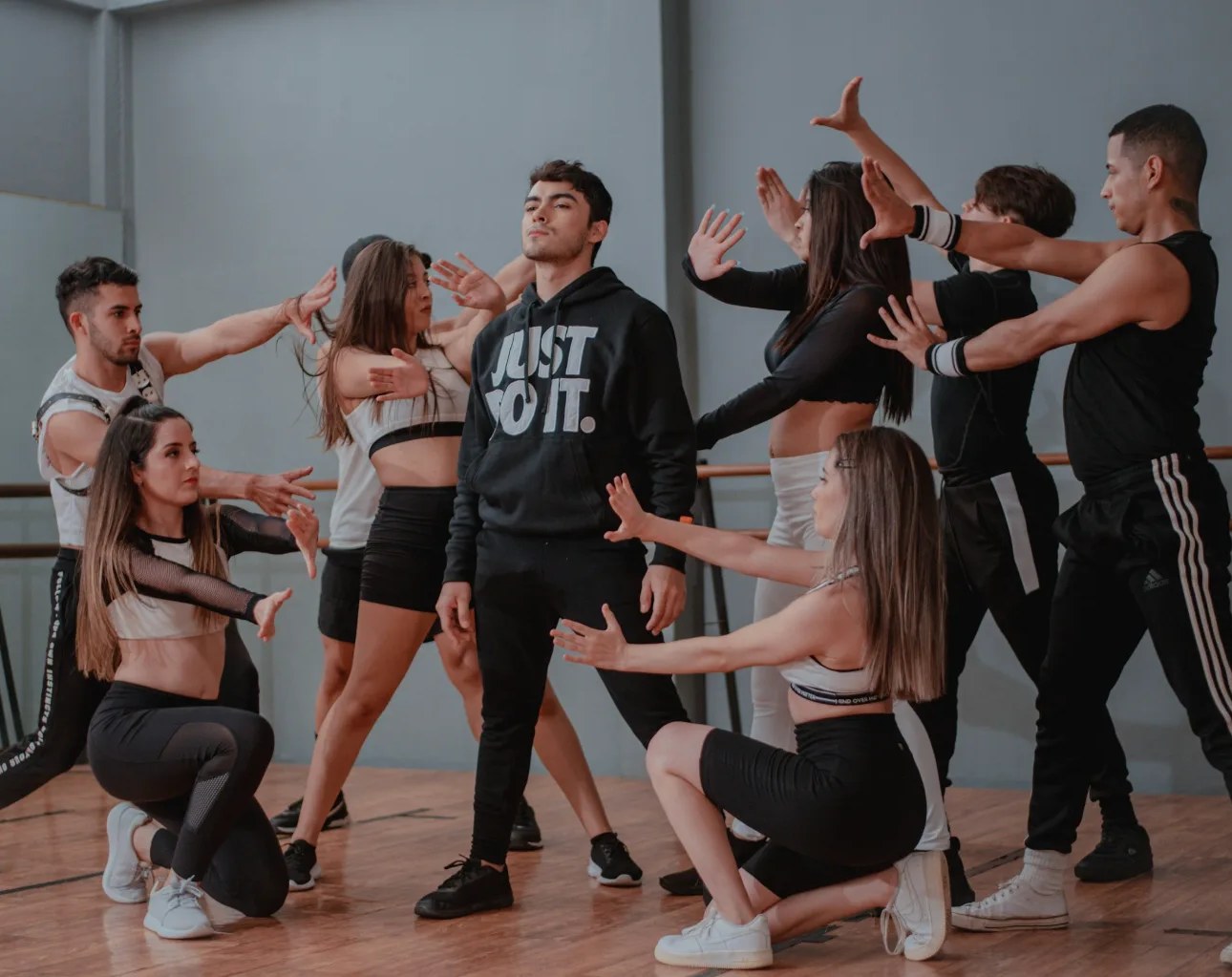
Dancers who rehearse together develop shared timing through repeated contact with the same musical phrase, and an overseas performance tests that relationship in a different setting. Practice the choreography facing the intended audience direction after learning it from the teacher. If a performer looks to another dancer for confirmation, the expression changes during a phrase that calls for direct contact with the audience.
In ensemble work, the choreographer decides where the cast shares a rhythm and where an individual performer carries a separate phrase. Study the surrounding movement while rehearsing that individual part. The performer anticipates the next relationship by becoming familiar with the neighboring dancer’s route, particularly when a formation changes direction during a musical transition.
Retain the Character Through a Longer Program
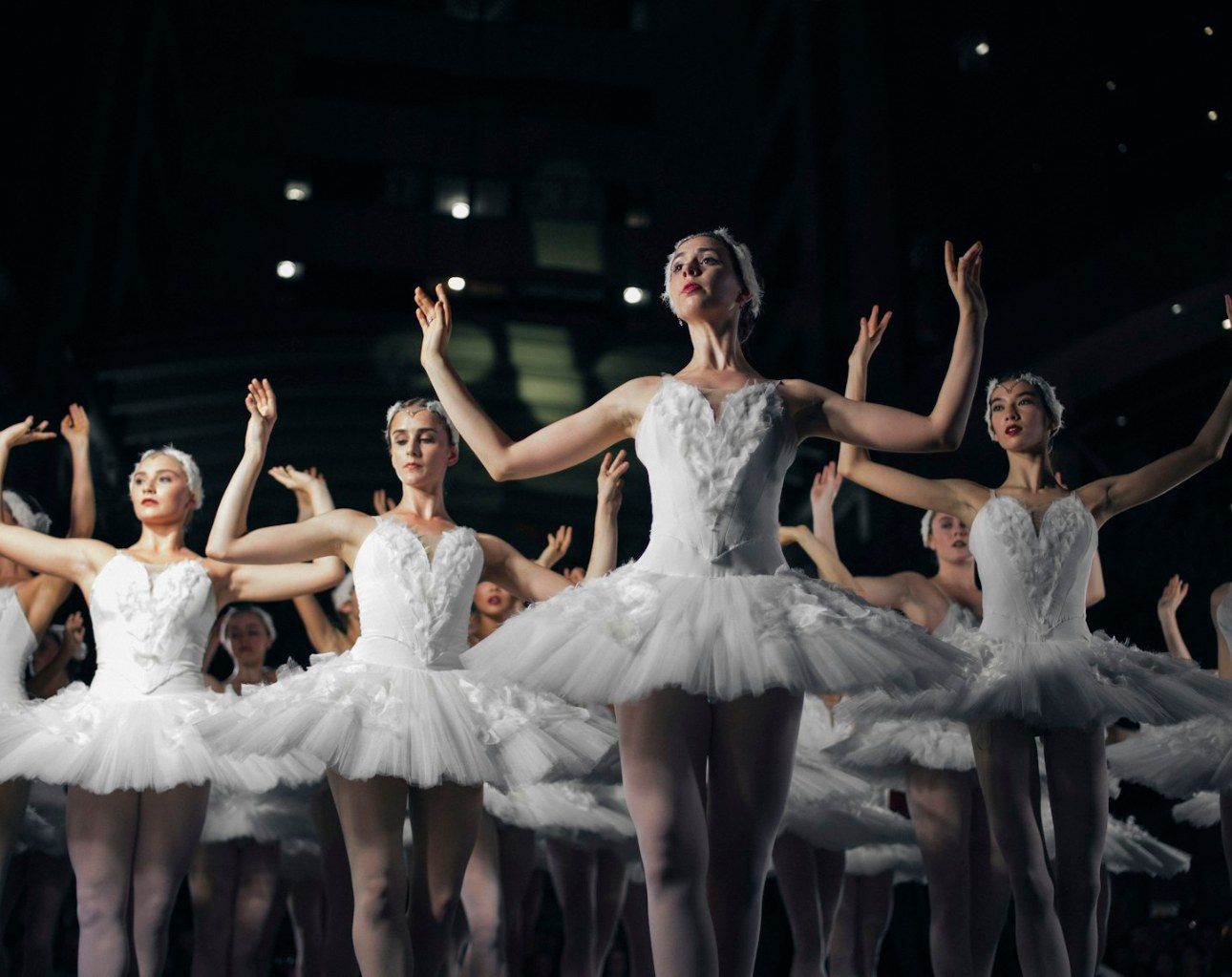
The dancer’s interpretation needs attention through the final passage, particularly when a production contains contrasting pieces or a recurring character. Discuss how the character changes between appearances with the artistic director. Facial expression and movement quality need to belong to the current passage and reflect its specific relationship to the music.
Review a complete rehearsal recording to examine where the interpretation becomes less specific as the program progresses, then return to those passages with the choreographer. In the next rehearsal, work on the movement quality assigned to the phrase. Physical effort belongs in that discussion with the qualified training team, alongside the artistic correction.
Carry Costume Decisions into the Venue Rehearsal
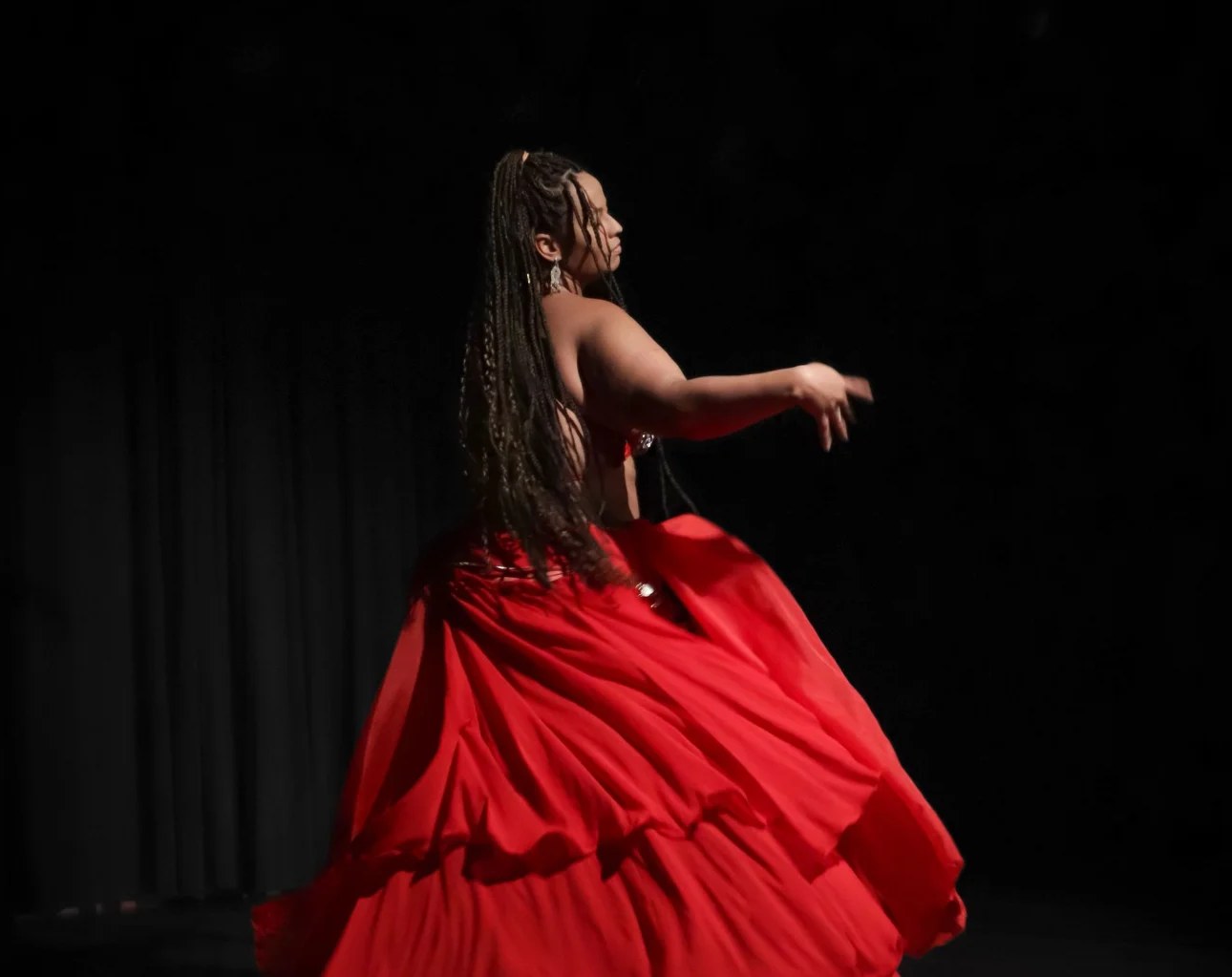
Costume preparation for an overseas performance includes movements that are hardest to assess during a stationary fitting, such as partner contact or a rapid change in direction. Mystic Family’s Costume Atelier develops garments as part of the company’s creative operations. Discuss the intended costume with the choreographer so fittings test the actual choreography and planned footwear.
For a costume change between appearances, rehearse the exit and the return using the time available in the proposed running order. The destination’s changing area may be farther from the stage than the rehearsal setup. Confirm that route with the receiving team, then test the change after the costume has completed its first passage in the show.
Make Rehearsal Notes Usable by the Receiving Crew
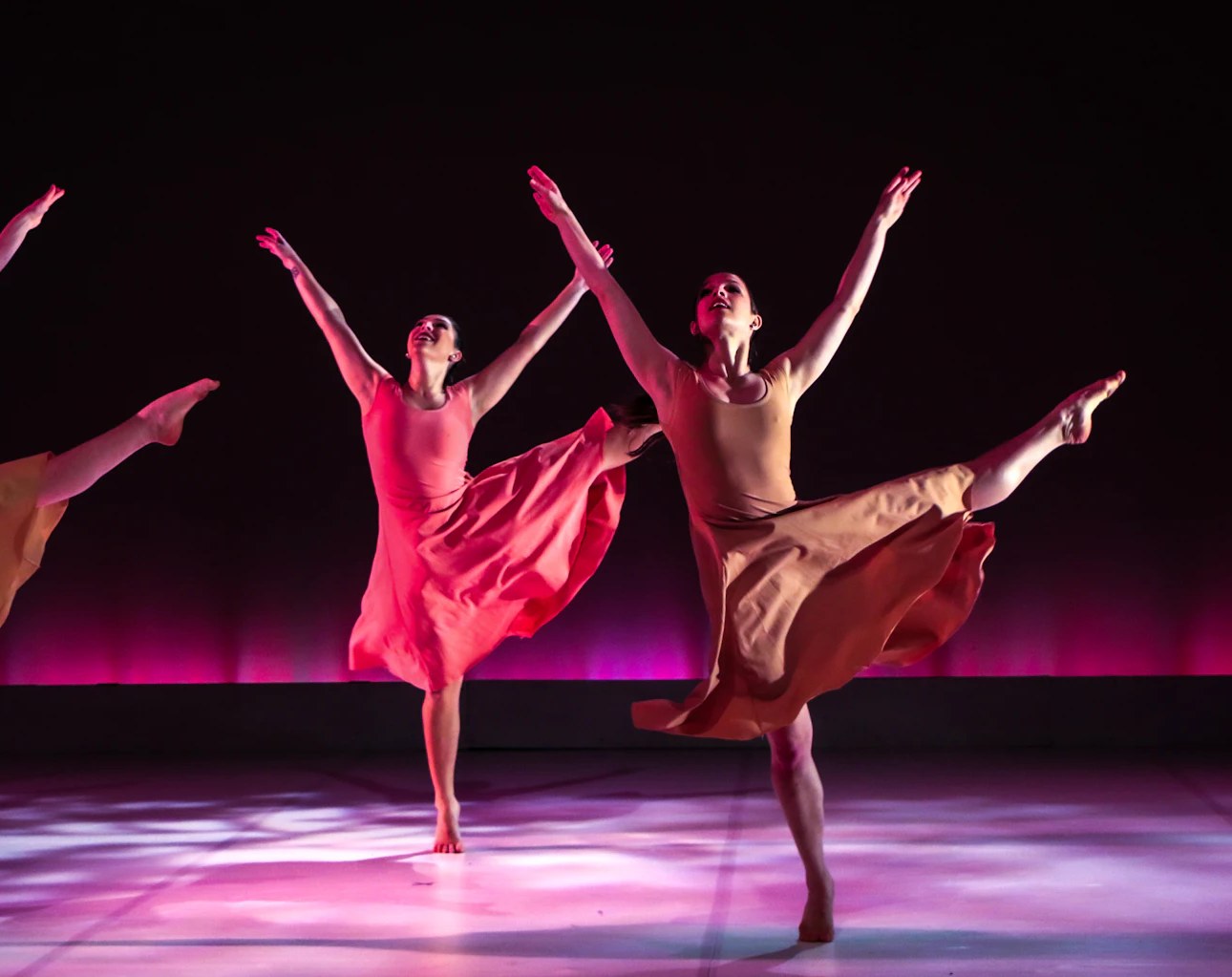
The dance captain needs a concise account of the approved version so corrections reach the whole cast when the choreographer is working with the technical team. Identify the passage by its musical cue and explain the required change in movement. After the group rehearses the correction, update the reference recording to match the version intended for performance.
Technical vocabulary should be agreed upon during preparation when the cast and local crew use different working languages, particularly for instructions to pause or restart a rehearsal. Test the opening cue with the person operating playback. If the show uses a spoken introduction, rehearse its handover into the first musical phrase with the host.
Allow Arrival Time for the Work Still to Come
International travel occupies time within the production schedule, and the first venue call needs to reflect the cast’s arrival arrangements. One Dance UK’s touring recommendations distinguish travel from rest when planning dancers’ work. Discuss the proposed itinerary with the production team while rehearsal dates remain adjustable. Account for the destination’s first technical call within the itinerary.
The final venue rehearsal is the place to resolve local changes that affect the choreography, with the dance captain collecting the cast’s observations after the run. Address the changed entrance within the same musical passage and repeat the affected transition. Once the director approves it, the receiving crew needs the corresponding cue information for the show.
Prepare the Production with Mystic Family
Contact Mystic Family with the destination’s stage information and the proposed performance dates when discussing an international dance production. The creative team needs to know the intended repertoire and the rehearsal access available on arrival. Agree on the artistic preparation within the proposal, with overseas availability and destination requirements confirmed for the actual engagement.