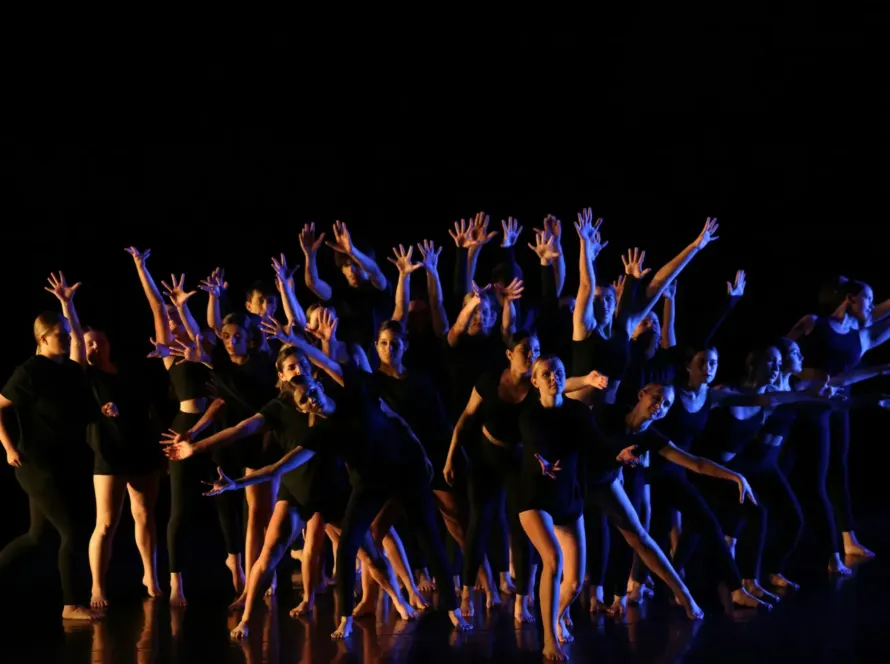
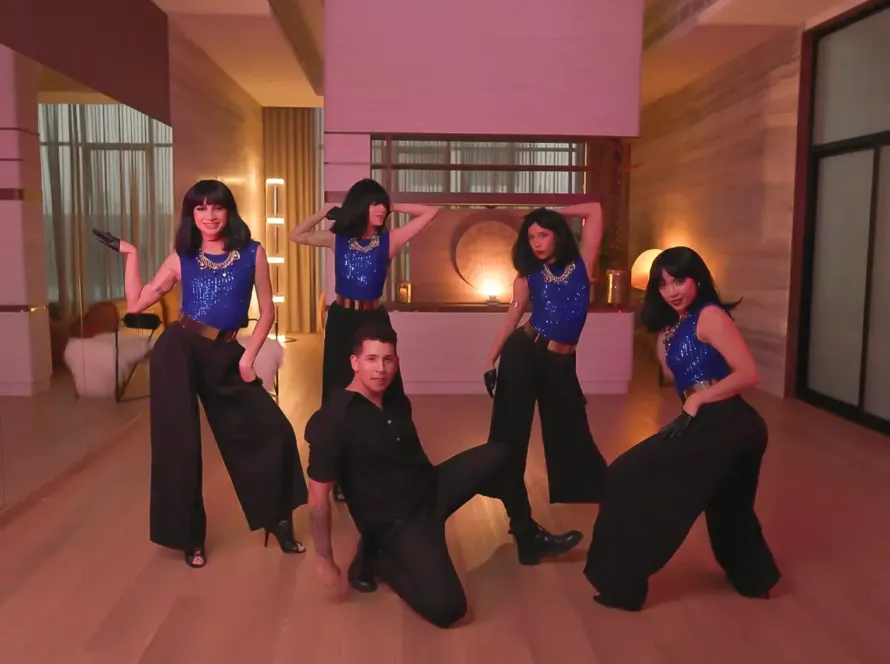
Two dancers can fill a stage when guests can see the space between them. The same pair can look crowded if an entrance shares the strip where they need to turn. Cast size makes sense once you know which movements the audience should see and how much floor the performers can actually use.
Measure the Space the Cast Can Use
Ask the venue for the latest plan. Have the crew identify the usable edges once the show setup is in place. Stair access and installed equipment can change the footprint even when the overall stage size stays the same. Ask the stage manager to identify where a performer can wait and where the cast can enter together.
Suppose a rectangular stage measures six meters across on the plan. In a sample layout, a side stair and an equipment position take up part of that width, so the choreographer tapes a smaller rectangle at rehearsal. The team then walks the entry to see how the last dancer reaches the first position. Treat the taped rectangle as a rehearsal aid. Confirm the boundaries with the venue after any setup change.
Britain’s Health and Safety Executive offers event site design guidance with advice on assessing the actual venue and assigning responsibilities. Use it as general planning guidance, and ask the Dubai venue team to confirm its own requirements for your event.
When the Duet Works Best
Say the brief calls for two people to trade a short phrase across the stage. Guests can follow a raised arm on one side and see the reply on the other. The distance between the dancers is part of the composition. Ask the choreographer to show how they close that gap and then find space for the next turn.
Partner work can need a wider path than the dancers occupy at rest. For a bid, ask for a short rehearsal clip of the movement with the taped boundary visible. Have the team walk the entrance and exit on the same floor plan. Review a second video taken at the angle guests will see.

Test a Trio Across the Side Seats
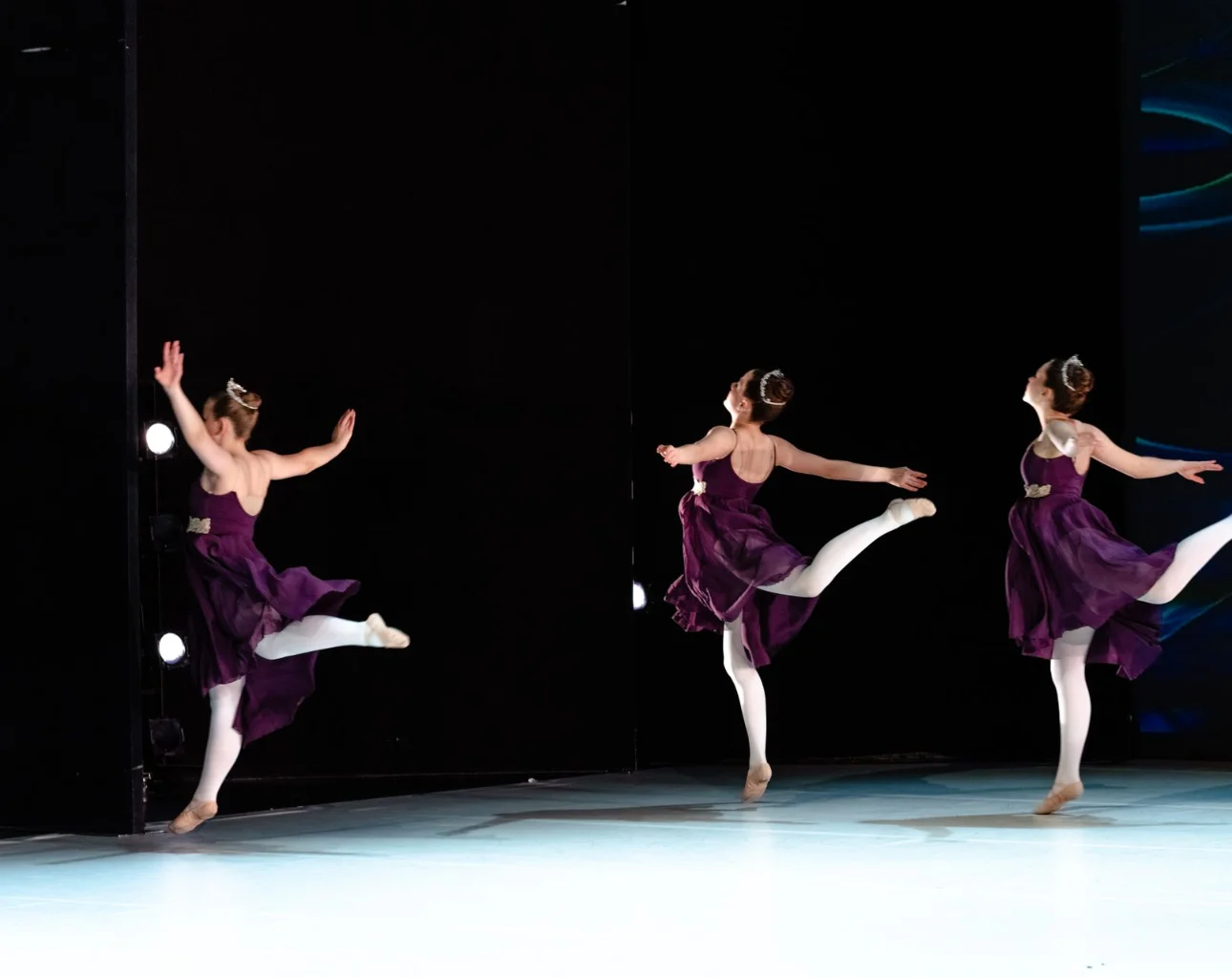
Three performers can pass the lead between them. Try the moment the lead changes from a chair near the side wall. If two dancers line up in your view at the change, ask for a new diagonal or a pause long enough for the lead to come into view.
Say the act follows a speech at a private dinner. Guests may stay seated at round tables. Ask the venue to set chairs at the most oblique tables, then run the cast’s entrance and main phrase. One person should watch from a rear place setting. Record when a performer disappears behind another dancer and share that moment with the choreographer.
Ask What an Additional Performer Adds
Have the choreographer show the same musical passage with the proposed cast and with one fewer dancer. Pay attention to the moment a traveling line crosses the stage. If the added person supplies an answer to a different phrase or holds a separate position, you can see what the larger cast contributes. Similar versions may favor the smaller group for a tight floor.
Partnered lifts and fast traveling phrases need a separate discussion. Send the actual setup to the choreographer and venue team, then rehearse the agreed movement on the intended surface. The One Dance UK performance planning guide asks organizers to check stage-floor suitability for the planned movement and provide space for warm-up and cool-down. Qualified venue and production personnel can assess the specific floor and layout.
Check Where the Cast Goes Between Numbers
Some shows use two short numbers with a presentation between them. Walk the route the performers will take after the first number. When the emcee returns through the same wing, a crew member can call the movements in sequence. Ask the crew to show where dancers wait during the presentation and how far they travel to return to the stage. If the wait is in a separate space, run the return with the same music lead-in the show will use. Compare the exit time for both candidate cast sizes; the next speaker’s first line is often a useful rehearsal reference.
Test the Shoes and Costumes Together
Shoes can change the way a dancer stops on a turn. Costumes can change the space the person beside them needs. Ask the cast to run the widest passage in their proposed shoes and costumes. Watch it at performance pace after a walk-through.
One side seat may catch a sleeve passing across a second dancer’s face just as the phrase calls attention to it. Share the view with the costume team. The choreographer can consider a different distance between the dancers. Wardrobe staff can test an adjustment in motion during the fitting.
If the show uses a low platform, try the same passage at the height the venue plans to install. Guests at the back may see upper-body movement and miss the footwork. Ask the choreographer which part should carry the phrase when people watch at seated eye level.
Book the Version You Have Seen
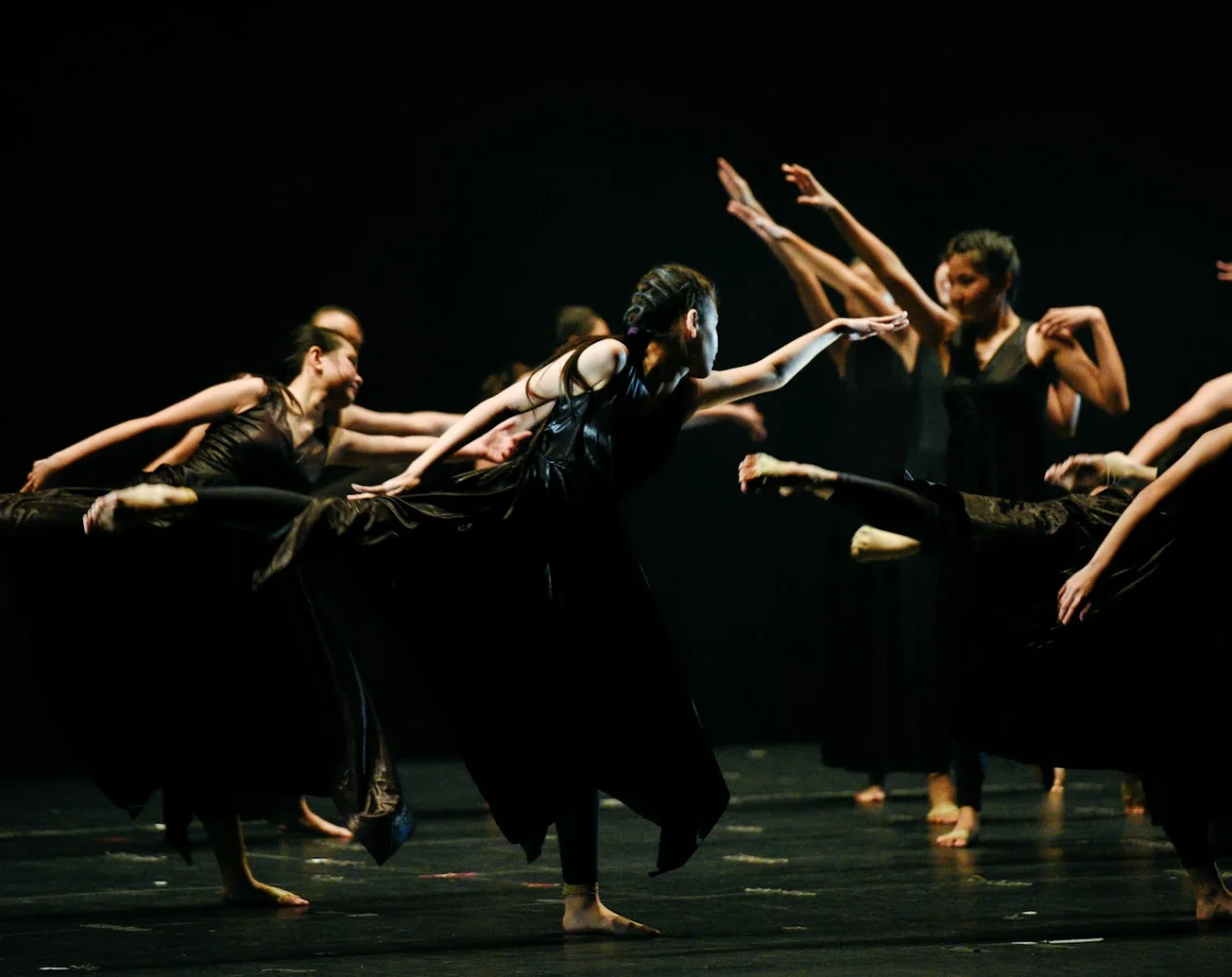
Send Mystic Family’s choreography team the venue and seating plans and tell them what you want the audience to watch. If the dance shares a stage with a presenter, identify which items will stay in place. Include the music cue in your event inquiry if the entrance depends on a spoken line or a particular beat.
Ask for the cast size and stage arrangement to appear in the proposal alongside the rehearsal assumptions. Run the entrance and busiest passage at the final walkthrough. Use one side seat and one rear seat to compare what guests can see. Take a short clip of the version you choose so the crew and the choreographer can refer to the same run if the stage plan changes.