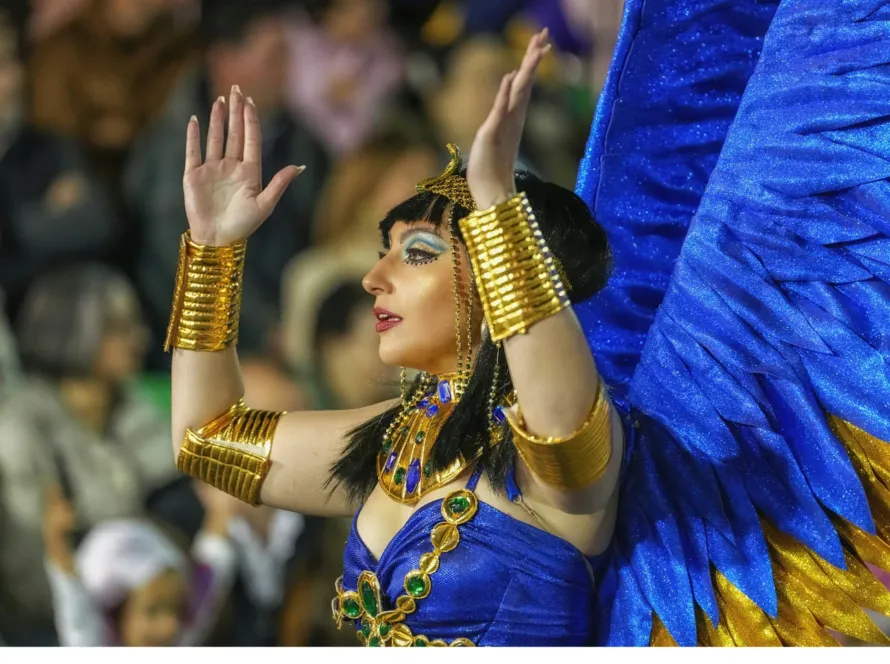
Two dancers can fill the view inside an exhibition booth, then vanish behind a product counter for visitors approaching along the main aisle. The routine may look complete on a rehearsal video shot head-on. On the exhibition floor, a buyer might see it from the corner while walking or looking past a line for the neighboring booth. The choreographer can work from the buyer’s point of view. Booth staff can plan where to receive the buyer once the music stops.
Read the Floor Plan at Visitor Height
Ask the show organizer for the current floor plan and draw the likely approach to the booth from the nearest entrance. Find the first spot where a visitor can see the dancers’ upper bodies. Walk the same approach at seated eye height to check what a wheelchair user could see. The point where the logo appears may differ from the point where a dancer becomes visible. Treat columns and tall product cases as sightline breaks on the drawing.
Inside the booth, draw a second line from the intended viewing area to the performers’ feet. Footwork can be the point of the piece, so a low counter can take away the most interesting part even when faces remain visible. Suppose a corner booth has a product plinth beside one opening. Place the duet deeper inside the booth and shift the plinth to test the view from both aisles. Test the revised position against the actual floor plan and the organizer’s rules.
Keep the Aisle Available for Visitors
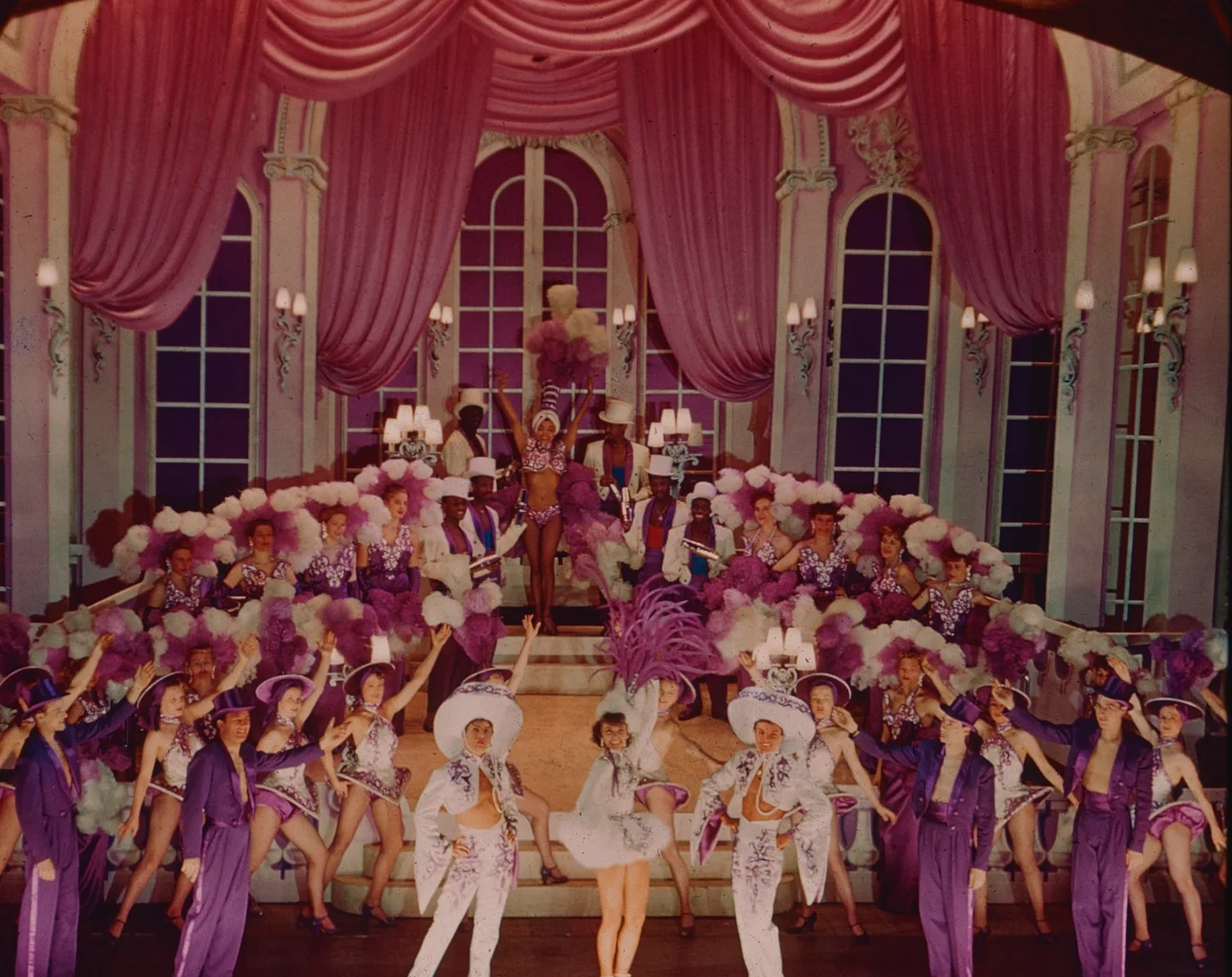
The booth drawing should show where people can watch within the rented footprint and where other attendees can continue past it. Dubai World Trade Centre’s health and safety handbook describes the circulation and emergency-access rules at its halls. Ask your organizer which version applies and send the proposed layout for review. The 2026 UITP Dubai exhibitor manual provides a specific example: it places promotional activities inside the booth, away from the edge. Your event’s own manual governs your booking.
If the proposed audience area overlaps the sales team’s demo queue, choose one use for that patch of floor during the performance. The host can receive demo guests beside the product after the dancers finish. For a booth with space for the dancers alone, an organizer-approved stage or a scheduled demonstration area may be the better home for the act. Visitors who want to watch need an agreed place to do so.
Choose Choreography for the Space
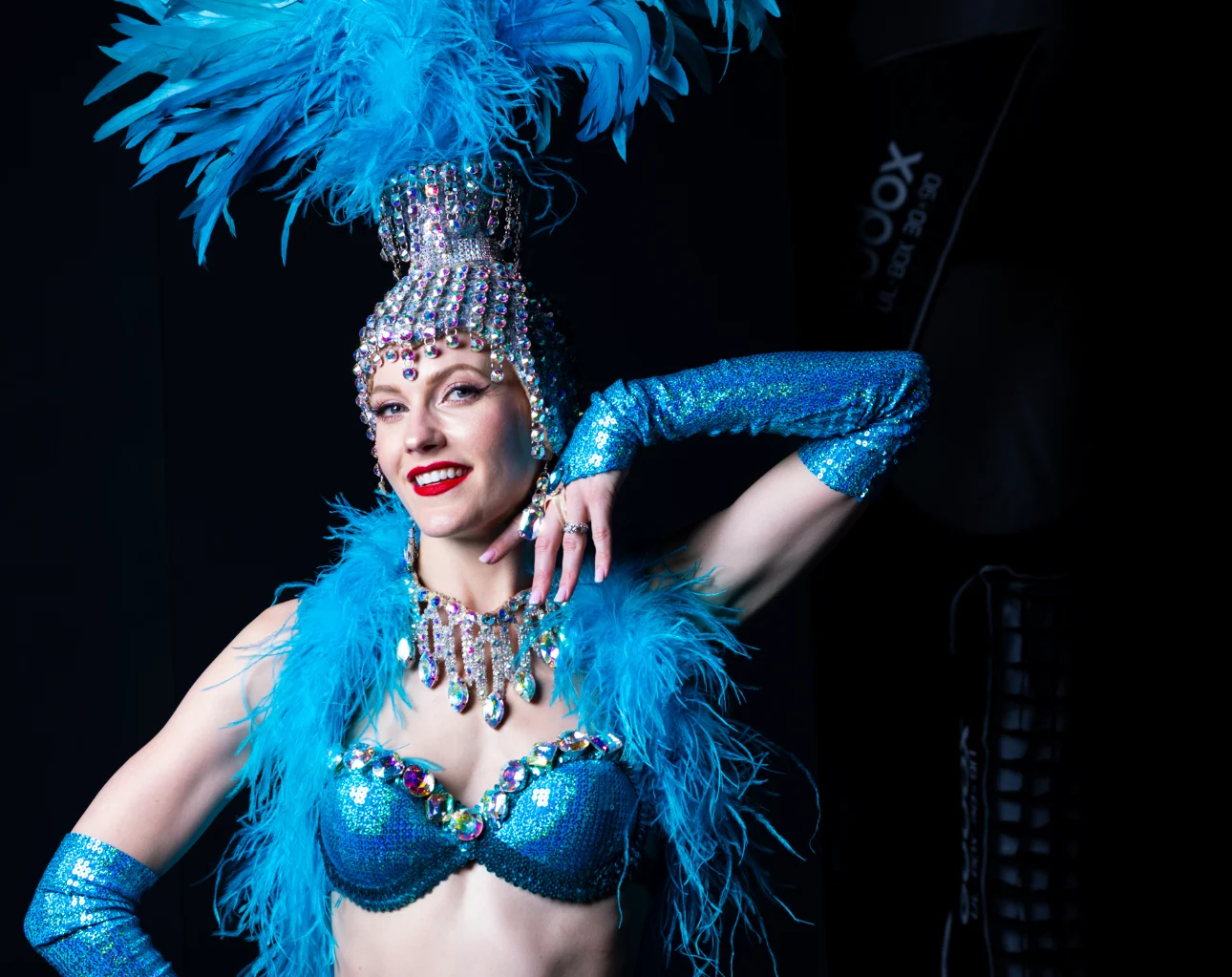
Show the choreographer the usable floor after the product fixtures and staff positions are drawn in. Two dancers working in a tight footprint can use upper-body movement so the start of the routine reads above a low display. Larger formations need separation between dancers for the figures to read from an angle. Send a video at the expected viewing angle, or ask the choreographer to record one during rehearsal.
Dubai teams booking Mystic Family’s performance artists and choreography can discuss the choice between an existing duet and a routine timed around a product demonstration. Costume sleeves read well from a distance and need space beside a glass cabinet. Try that movement in rehearsal at the proposed distance from the cabinet. If the choreography uses a lift or a fast directional change, discuss the floor finish and clearance with the production team at the planning stage.
Plan for Arrivals Midway Into the Act
Trade show visitors walk in and out on their own schedule, so late arrivals may miss the main gesture when a routine introduces it once. Ask for a musical cue or recurring gesture that identifies the act in the middle. For a product demonstration, decide where the dancers finish and where the presenter begins. Leave a route beside the dance area so the audience can turn toward the product.
Compare the intended time with the show schedule and the times of adjacent talks. Test speaker direction with the event audio team: sound aimed toward people inside the booth may travel differently along the boundary of a neighboring booth. Ask the organizer for the applicable sound limit and any performance time restrictions, then build the cue sheet around those conditions. The loudest part of the track is the part to check during the sound test.
Use a Camera Position Inside the Booth
If the sales team plans to share a clip, choose a camera position that shows the handoff to the presenter and leaves space for visitors to pass. Test the shot at the product’s actual height. Ask the camera operator to use a position inside the plan your organizer reviewed, especially if the original shot list puts a tripod in the aisle. Permission to perform and permission to record may be separate questions for the organizer.

Rehearse the View and the Exit
The most useful rehearsal check may come from a staff member who walks the aisle approach and watches from the planned audience space. Have the observer describe the first movement they saw and whether they could see the product when the presenter took over. Test the view again with colleagues in the places where guests and staff will be during the act. People in the front may hide the picture the choreographer could see in an empty booth.
Decide who can hold the start if people gather in the wrong spot or the earlier demonstration runs long. Put that person beside the booth opening where they can see the audience boundary. Agree on a cue the dancers can follow if the organizer requests a pause. The sales team can then offer a demo at the counter while the performers leave through the agreed route.
What to Send Mystic Family
Send your exhibition date and a scaled booth drawing through Mystic Family’s inquiry page so the team can discuss the cast and the proposed performance location. Include the performance window and the organizer’s handbook page on booth activity. The team can use the drawing to check the dancers’ location and the audience’s view from the agreed space.