

For a masquerade party in Dubai, the entertainment team develops a visual concept that connects the masked welcome to the evening’s dance performances. Guests encounter the theme at close range during arrival; later, the performers need movements that read across the venue. When a mask covers facial expressions, costume details need to communicate the character at both distances.
Mystic Family produces costumes in its own atelier and develops choreography through its own creative team for events that need an original artistic concept. How will the masked characters move once the music changes, and which costume features will remain visible during the main performance?
Historical References and Fictional Concepts
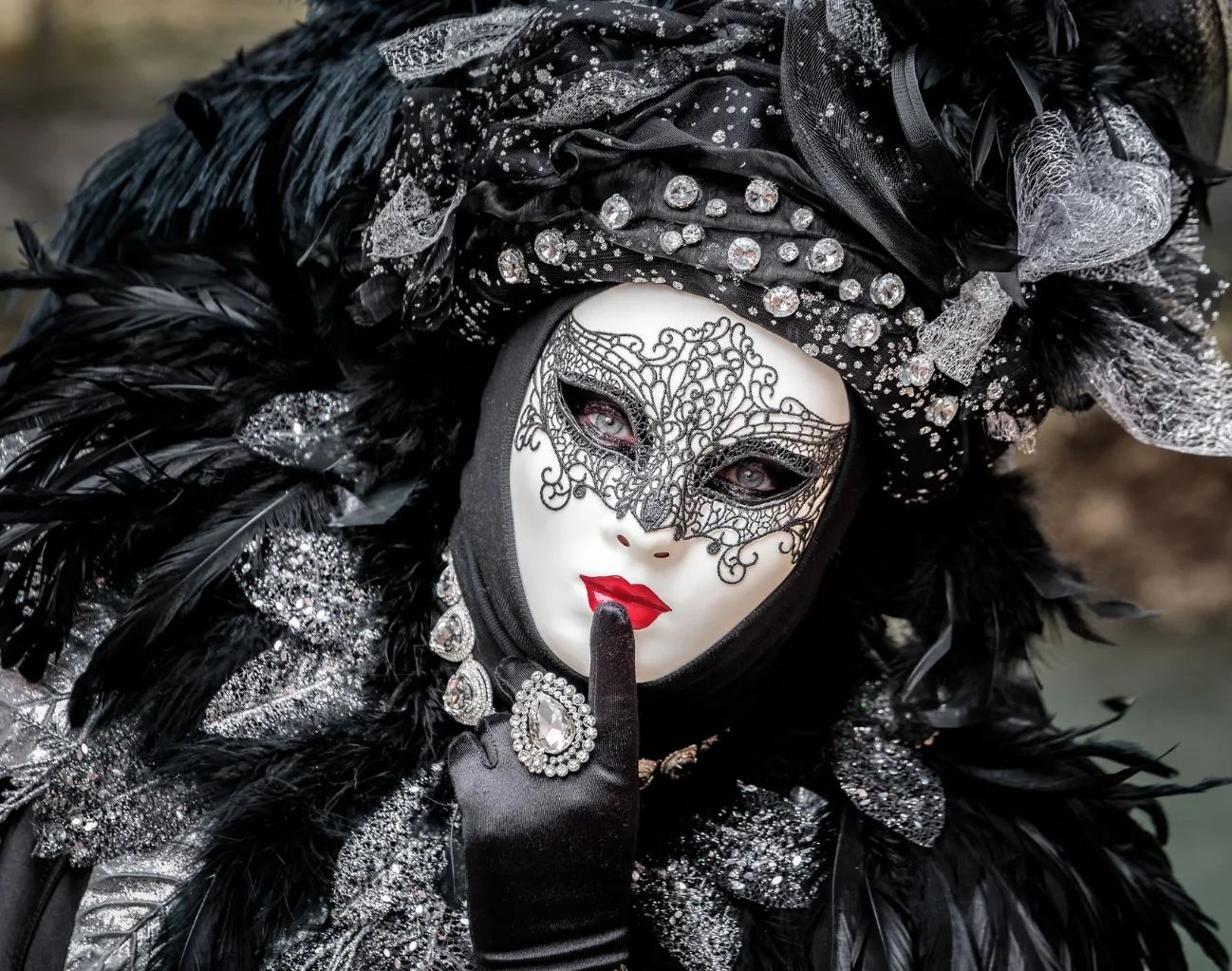
For a masked evening with Venetian references, the creative brief identifies the historical details that the production plans to use in its costume designs. The Met’s costume history describes masks worn with lace-edged hoods during the eighteenth century. For a contemporary party, a designer could borrow that hooded silhouette and explain the choice as a historical reference.
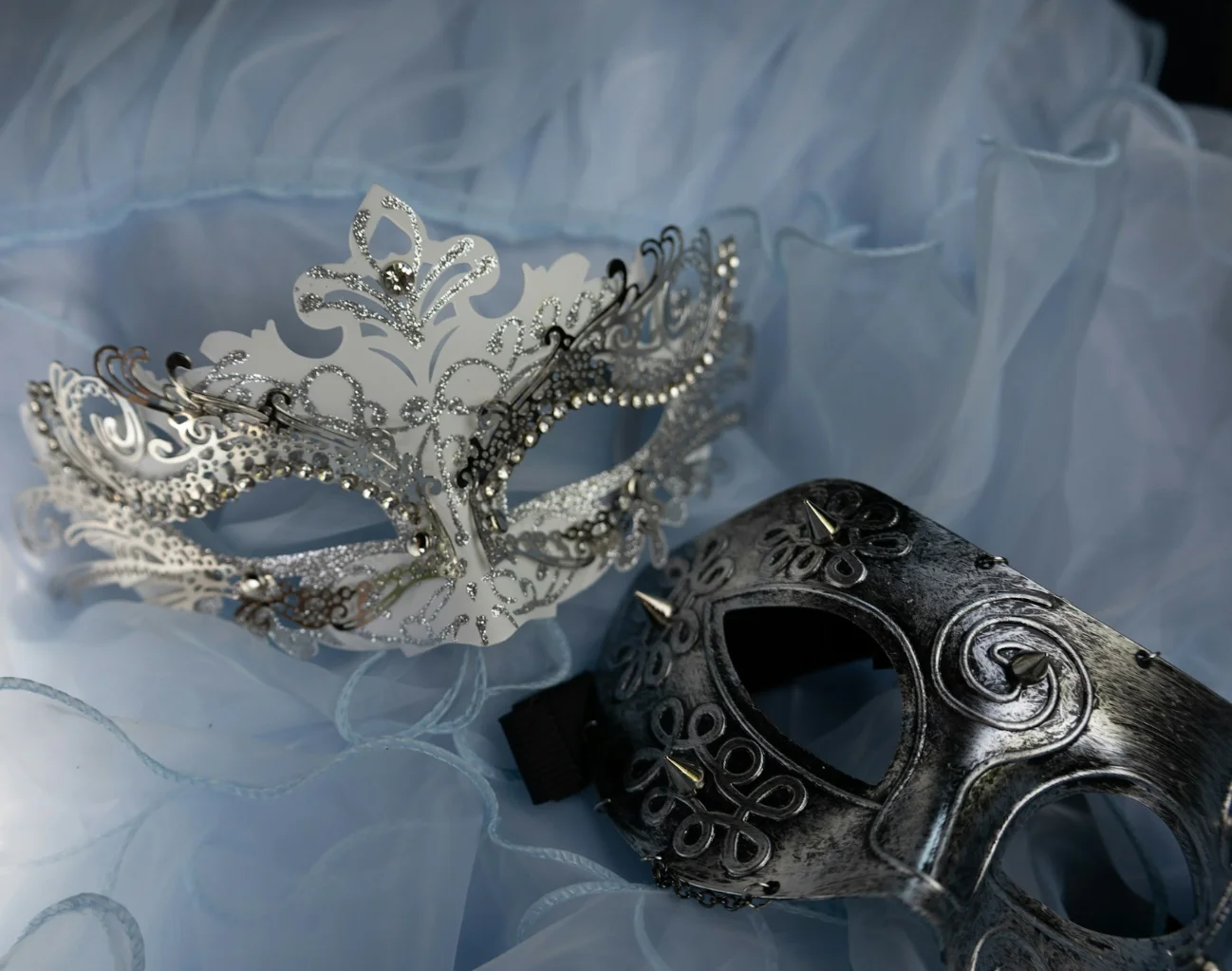
Hosts who prefer a fictional masquerade can commission characters created around an original palette, with costume choices developed specifically for the proposed production. In a proposed moonlit court, silver masks would accompany dark costumes. If that concept appeals, the team develops its own characters; the proposal stays explicitly contemporary. Claims concerning a named theatrical tradition require research into that tradition’s actual costumes and performance conventions.
Plan an Arrival That Develops into a Show
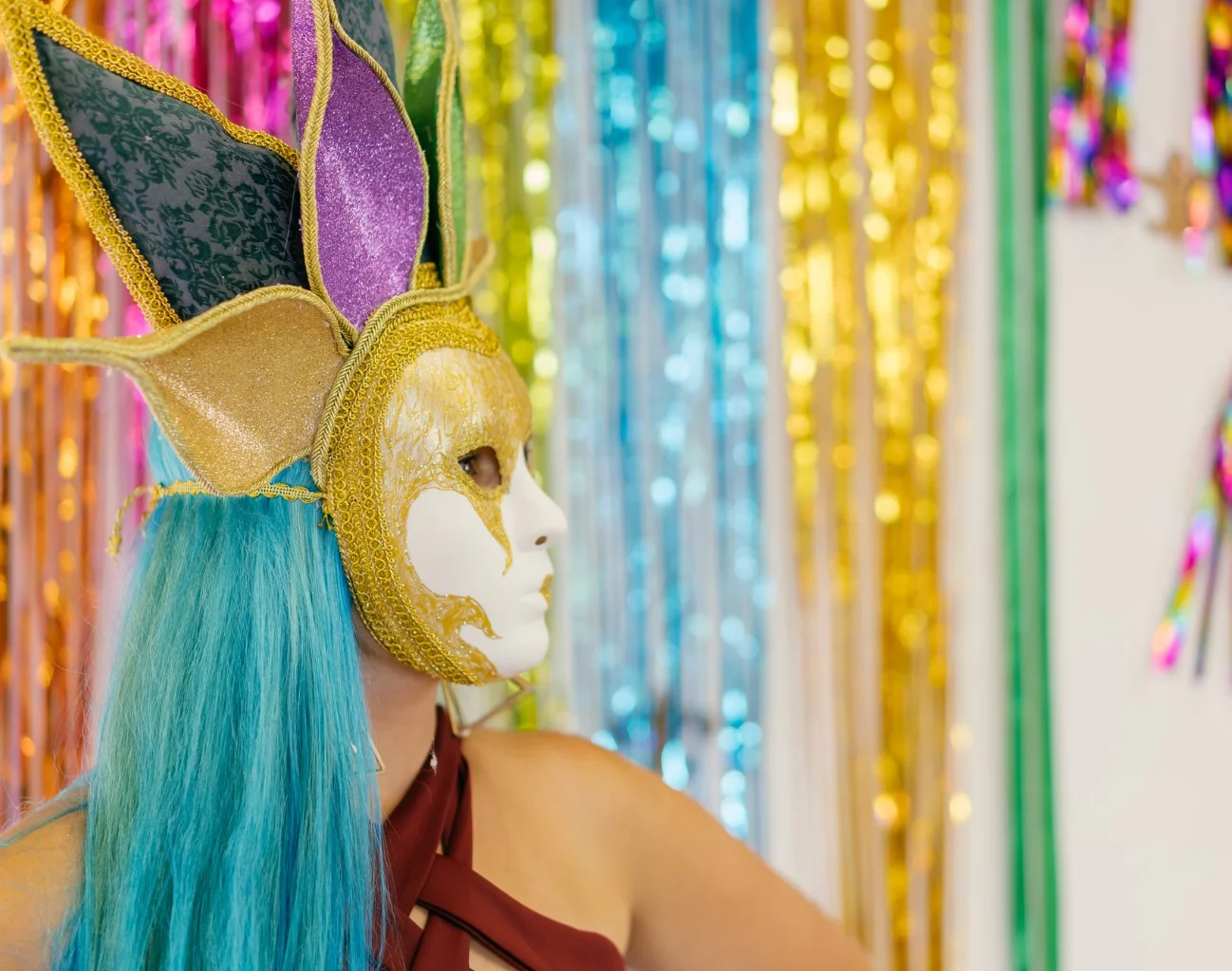
When guests arrive, masked performers need a specified place in the evening’s dramatic sequence, particularly when they will appear again during a later stage performance. Entrance music establishes the musical material that guests will hear during the show. To connect those appearances, the composer or music editor can return to a short melody at the dancers’ entrance.
For a proposed court-themed celebration, two masked attendants might greet guests near the entrance and later join the dancers when the first performance begins. The same costume detail remains visible across both appearances, such as a silver collar. Once the stage cue starts, the performers travel along a rehearsed route; the venue team keeps that route available for the cast.
Music during a seated meal needs an arrangement that leaves space for conversation, especially when the same melody returns during the main dance performance. On violin, the main show’s melody could accompany the meal at a gentler volume. The recorded arrangement then returns at its planned tempo for the dance performance. For the musicians, the cue sheet specifies the arrangement assigned to the relevant performance.
Fit the Mask to the Performer’s Work
Performers need to test their masks during rehearsal when the choreography requires partner work, especially if the dance involves frequent changes in direction. After the performer puts on the complete costume, the team checks the eye openings. The team observes whether the mask shifts against the face during a turn; an assistant then checks the fastening. On rehearsal footage, the choreographer assesses how the mask reads at the audience’s viewing distance.
When a mask extends across the mouth, the performer needs a voice test with the actual microphone arrangement planned for spoken passages during the event. The performer reads the planned lines during that test. If the sound requires adjustment, the costume maker and audio technician review the available options. Handheld masks need a place in the choreography, with the prop assigned to a specific hand during partner work.
In the National Theatre’s costume account, a cutter explains how body anatomy and movement inform wearable versions of historical silhouettes developed for stage performers. Masquerade costume fittings apply that reasoning to movement, with long sleeves tested during partner work. Once a dancer raises an arm, the costume maker can assess how the fabric travels around the mask.
Write Costume Changes into the Musical Sequence
Mystic Family’s Costume Design Atelier has cutting and sewing workshops where its team develops garments for performances, so a masquerade concept can include custom-made pieces. For a removable cape, the rehearsal includes the handoff and its destination backstage.
When an entrance costume differs from the outfit worn during the main dance performance, the music editor needs a reliable duration for the costume change. The costume team measures the change during rehearsal. Once that duration is available, the music editor prepares the appropriate passage for the transition. Any later garment revision calls for another timed run with the performer wearing the revised piece.
For a live musician sharing a sequence with dancers, the musical arrangement needs an entrance cue and an ending that the cast recognizes. Mystic Family’s choreography team works with performers and the wider production team throughout the creative process. In a masquerade rehearsal, the musician plays the entrance phrase as the dancer begins the agreed movement.
Rehearse the Evening’s Transitions
Once the cast reaches the venue rehearsal, the performers follow their planned routes in costume so the production team can assess sightlines through the event space. Furniture positions affect the distance available for a cape or a full skirt. Once the dining layout is set, the choreographer checks the proposed route against the actual arrangement. The lighting technician then tests the mask at the performer’s arrival position.
If a host proposes a collective mask removal or an invitation to join the dance, the entertainment brief specifies how the performers will introduce it. Participation remains optional throughout the sequence. For a mask-removal cue, performers need an agreed place for their masks during the next section. The invitation to dance follows the cast’s exit or another rehearsed arrangement that leaves the dance area available.
Prepare a Masquerade Brief for Mystic Family
For a masquerade celebration that requires custom costumes and coordinated choreography, contact Mystic Family’s private-party team with your chosen visual reference and event date. Include the venue plan so the team can discuss the cast’s movements. If costumes change during the evening, identify the appearance planned for the closing performance.


