

LED costumes can look different beside a bright presentation screen and against a dim stage, so an LED dance show in Dubai needs a rehearsal discussion centered on visibility. Your creative team should assess the costume’s outline during the planned choreography, with the venue’s usual lighting in place. Video examples help you discuss the idea; a test in comparable conditions provides firmer evidence for the proposed event.
Choose a Dance Concept with a Visible Shape
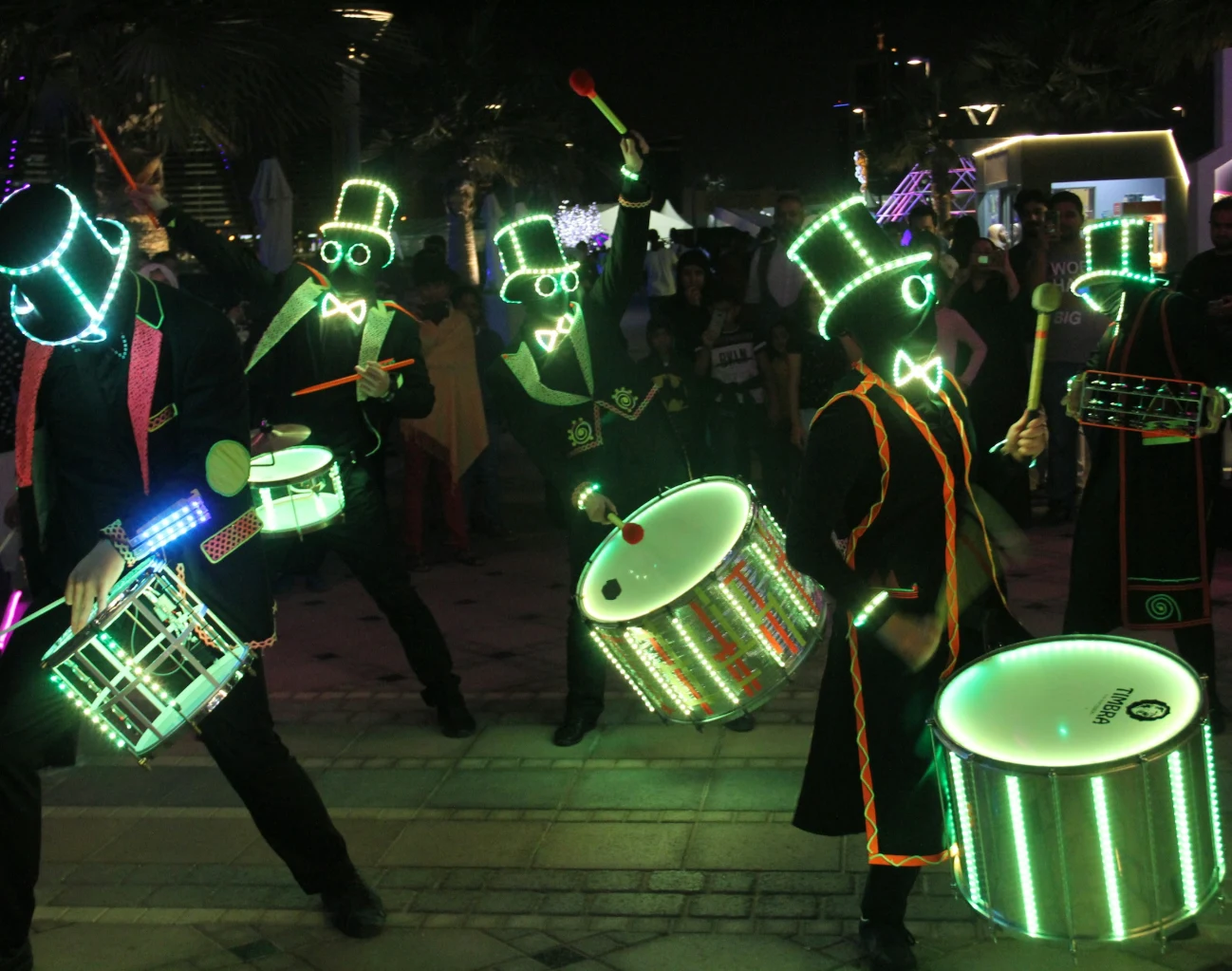
The concept discussion should establish the costume areas guests are meant to see during movement, so the choreographer can assess the garment against the dance idea. Geometric formations place the dancers’ illuminated outlines in relation to one another; the useful rehearsal question concerns how the proposed spacing looks from the audience. Flowing fabric invites a discussion concerning the garment’s movement during a turn, if that costume appears in the proposal. Your choreographer can use a short demonstration to explain the proposed visual idea. Mystic Family’s LED show page provides a starting point for discussing available performance options.
Evaluate the Costume During Movement
Costume approval becomes more informative when the performer wears the proposed garment during a movement test that includes the routine’s actual arm positions and directional changes. The front view covers one audience angle; a side view allows the team to examine the illuminated sections during a change in direction. Your review should establish which garment areas emit light and how the choreography presents them to guests. The costume team should explain any movement restrictions associated with the proposed outfit, then review those restrictions with the choreographer.
Mystic Family’s Costume Atelier develops outfits for performance work, which allows a client’s costume discussion to address the dancer’s movement requirements alongside the event’s visual preferences. Changes to the garment’s fit may affect the rehearsed movement, so any proposed alteration merits a repeat test. Your approval should identify the actual costume version, with photographs that the creative team can use during preparation. Confirm who checks the garment’s illuminated components and which checks belong to the supplier’s technical team.
Match the Dance to the Event Setting
Corporate Presentations
For a corporate presentation that places dancers near a screen, review the proposed LED opening with the presentation content guests will see during the performance. The choreography discussion can address the final formation in relation to the speaker’s entrance. Your screen operator needs the dance sequence’s timing. Comparing the costume against the planned screen images allows the client to assess the rehearsal view against the planned visual idea.
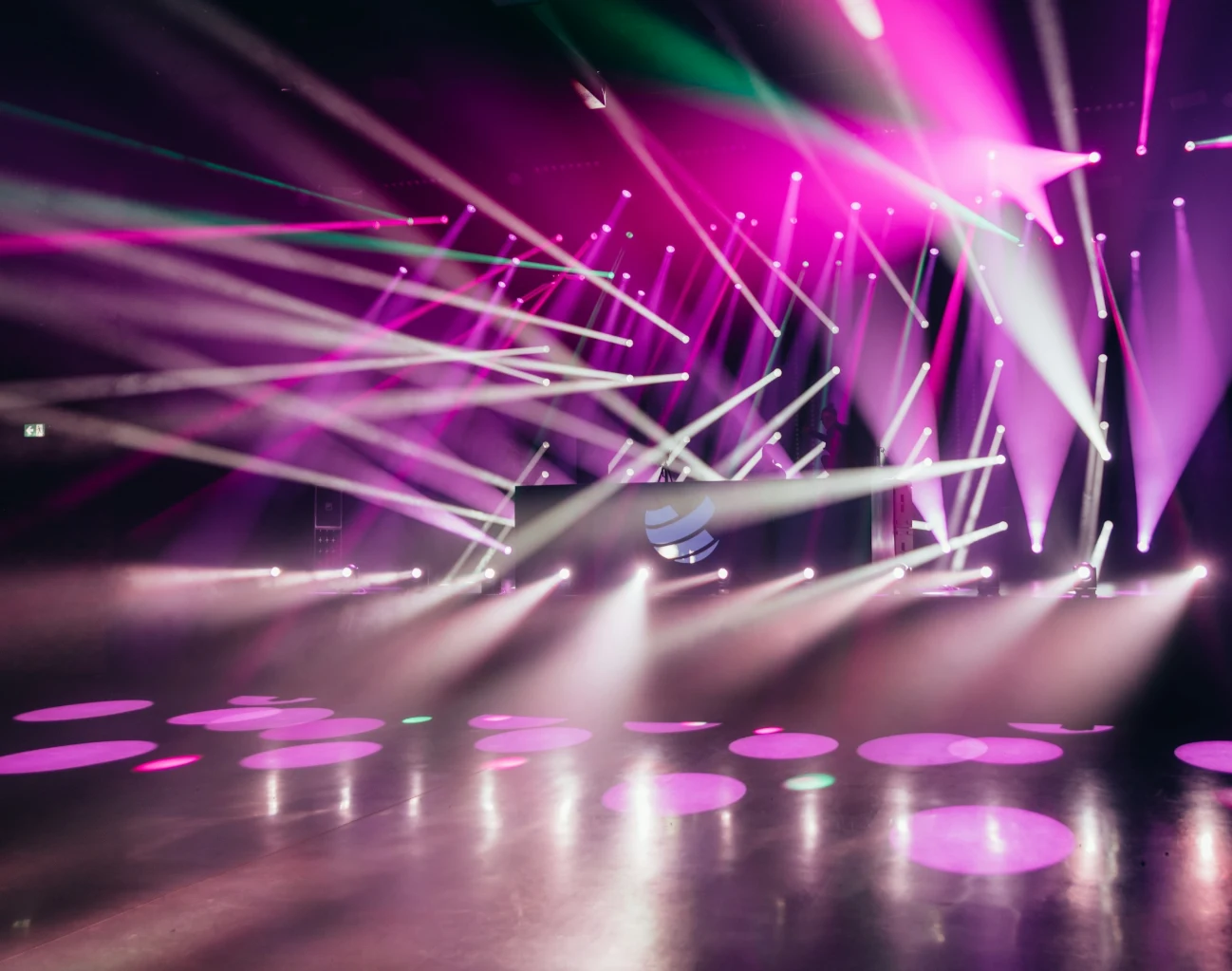
Brand colors belong in the creative brief when they influence the event’s appearance, while the supplier should confirm which color requests the proposed costume can support. Treat a requested logo display as a separate capability to verify with the supplier. Your choreographer can discuss how the dancers’ arrangement relates to the presentation’s theme. Mystic Family’s choreography page describes performance development, so clients can discuss the movement concept alongside the costume proposal.
Private Receptions
Private receptions may involve guests approaching the performance area from different directions, which calls for a discussion concerning how the illuminated costume reads throughout the dancers’ movement. Guest circulation affects the available performance area, which the venue team and choreographer need to assess against the proposed routine. The agreed viewing positions should inform where guests gather during the act. Your planner can then coordinate the dance interval with guest arrivals, so the performance has an agreed place in the reception schedule.
Reception concepts that include guest interaction need an explicit agreement concerning the performer’s activity, since a choreographed dance sequence and a photo appearance require different preparation. Discuss any movement between guest areas with the venue team. Confirm the route using the proposed costume during the site rehearsal. If the event is outdoors, ask the supplier to assess the actual conditions and agree a contingency arrangement with the venue.
Review the Venue Lighting During Rehearsal
The venue’s lighting review should examine the dancers’ visibility while maintaining the lighting needed for people to move around the event and reach the exits. UEFA’s stadium lighting guidance requires escape lighting to remain active during a light show. Its stadium context provides a useful planning reference; Dubai venue requirements need their own confirmation. Ask the venue’s technical team to identify the permitted lighting settings for the performance, then rehearse the costume at those settings.
The rehearsal review should use the planned guest positions to assess the costume’s illuminated outline against the actual background, with the results informing any proposed changes. Request a view from the farthest planned seating area, followed by a side view where guests may gather. Record the agreed appearance if filming permission is in place. Your photographer should test the proposed camera settings during rehearsal when the brief includes event footage.
Coordinate Music Cues and Performance Decisions
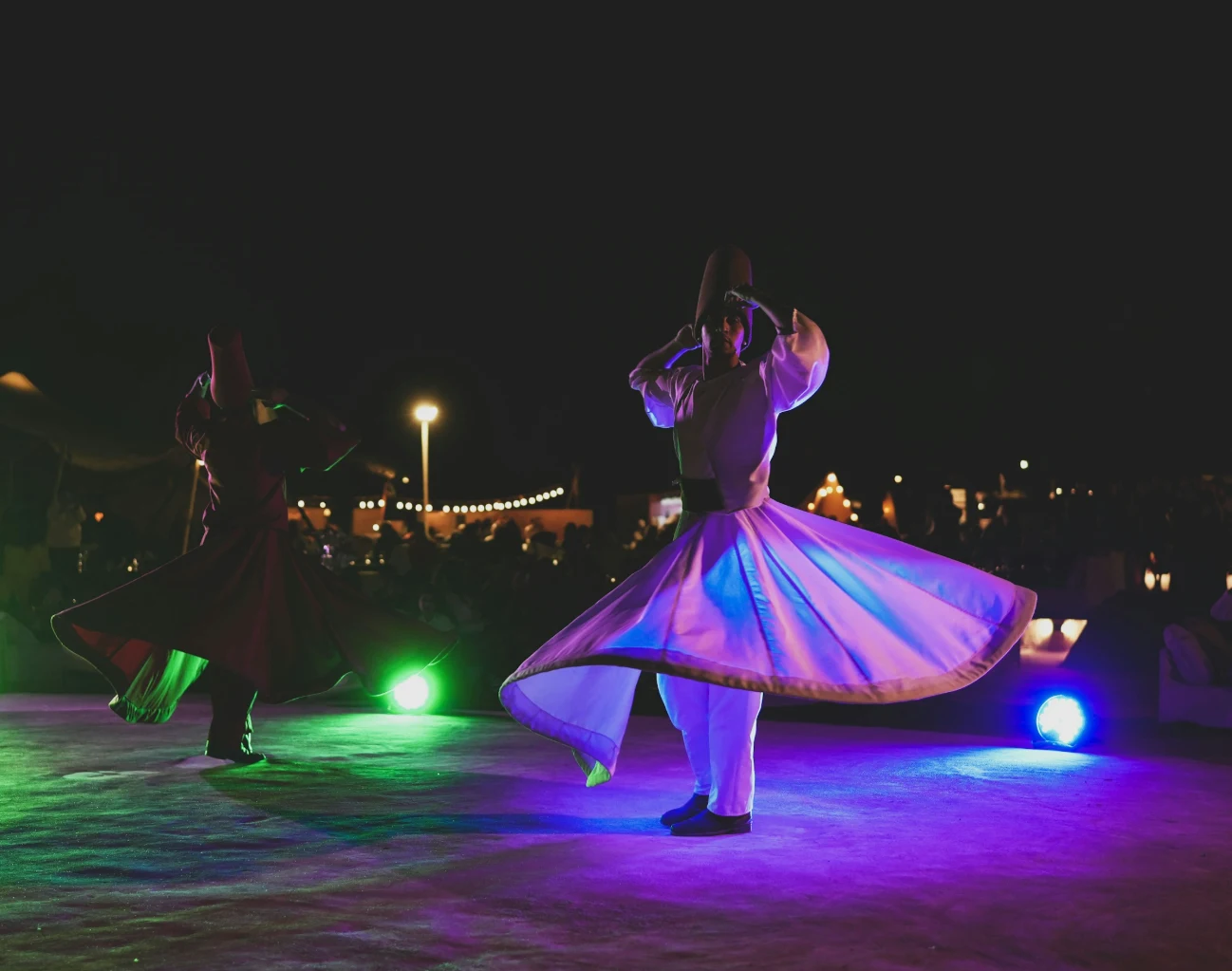
Music timing needs a shared rehearsal between the dancers and the playback operator, with the agreed audio file available for the sequence that will reach the audience. Confirm the start cue and the person responsible for calling it. If the proposal includes timed costume effects, ask the supplier to demonstrate the supported method during rehearsal. The event team should agree how to proceed when a cue needs repeating, with the performer’s readiness checked for the restart.
Show-stop responsibilities belong in the production discussion so the performer team knows who can halt the act and how that instruction will reach the people involved. The UK Health and Safety Executive’s event guidance addresses assigned show-stop roles and communication with performers. Use it as a planning reference alongside the event’s locally confirmed procedures. Mystic Family’s dance booking checklist addresses the rehearsal schedule and venue coordination during the wider planning discussion.
Discuss Your LED Dance Brief with Mystic Family
Your inquiry can begin with the event setting and the visual idea you want to discuss, supported by venue photographs that show the planned performance area. Share the proposed schedule so Mystic Family can review suitable LED dance options. Ask the team to explain the costume selection and the rehearsal arrangements for the chosen concept. You can then assess a proposal grounded in the performance your guests will actually watch.


