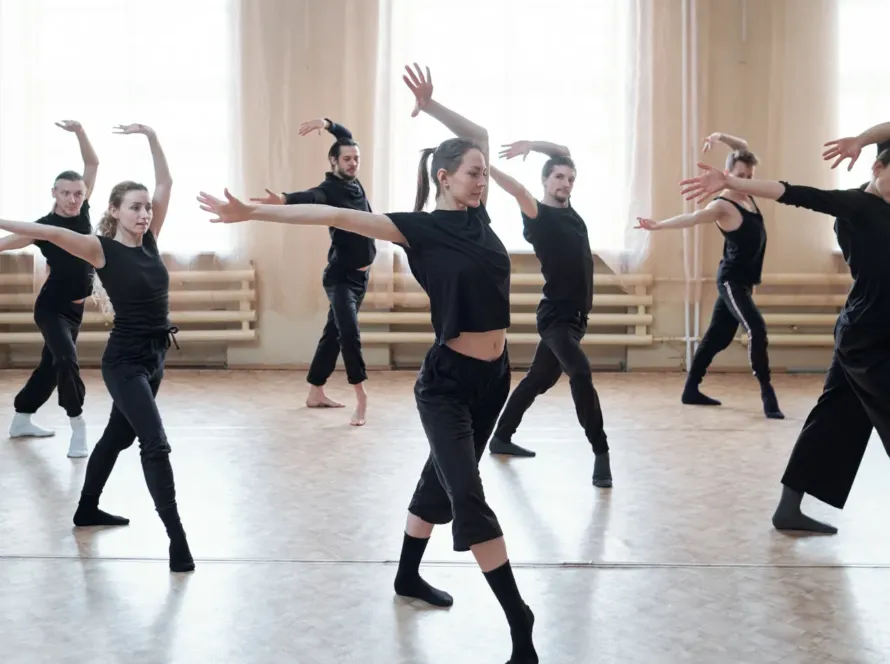
Booking dancers looks simple on paper. Pick a performer, agree on a date, and add the show to the schedule. Real event work gets a little messier. Venue access can change. A dance floor can feel smaller once tables arrive. Sound checks can collide with speeches. Costume changes may require space nobody reserved. Good preparation saves everyone a headache.
A practical dance performance booking checklist gives event planners a clear way to handle the details early. Mystic Family works with event planners across Dubai who need dancers for corporate dinners, weddings, birthdays, private parties, launches, and large celebrations. The checklist below covers the questions worth asking before show day arrives.
Decide Between a Solo Dancer and a Dance Group
Start with the room and the audience. A solo dancer can suit a smaller dinner, a villa party, or a short feature during a formal program. A dance group creates a greater visual scale and works well for larger ballrooms, weddings, corporate events, and stage-led celebrations.
Guest numbers matter too. A group can fill a wide stage and reach guests seated farther away. A solo performer creates closer contact and often works well in compact spaces.
Budget plays a role as well. Solo bookings usually involve fewer artists, fewer costumes, and simpler transport. Group bookings may require larger rehearsal blocks, additional wardrobe, and extra backstage space.
Confirm the Performance Date and Availability
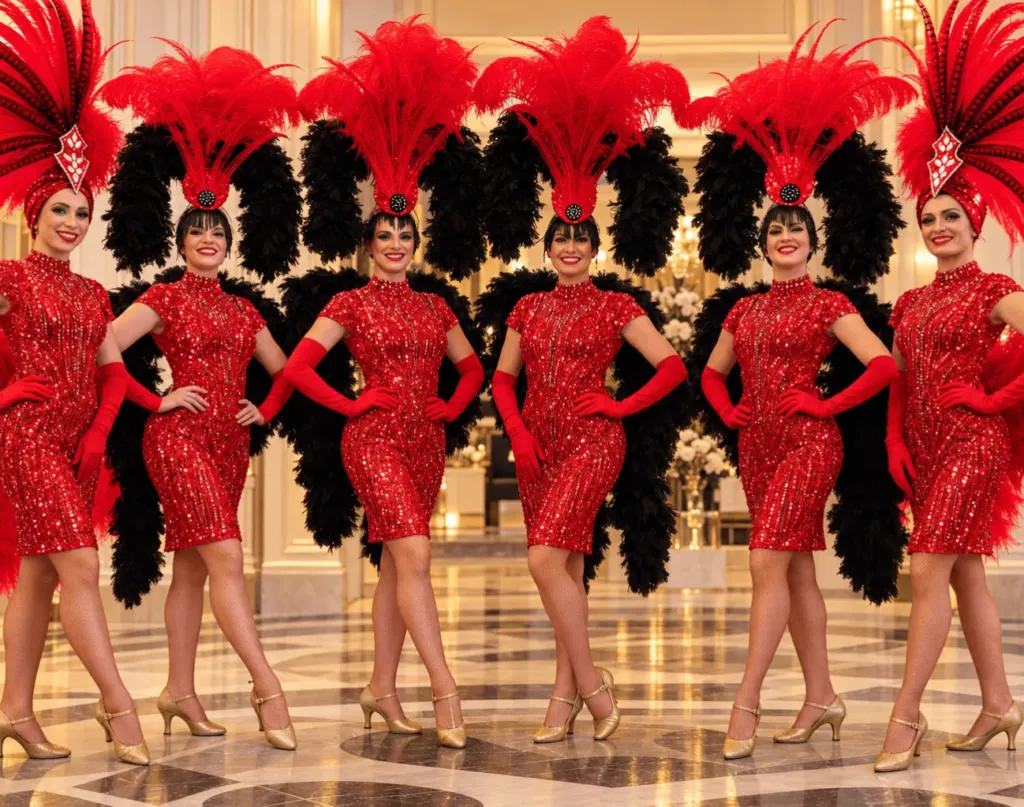
Popular dancers often have several bookings in the same week. Event planners benefit from checking dancer availability as soon as the event date becomes firm.
Share the event date, venue, approximate performance time, and call time during the first conversation. A performer may have availability in the evening yet have another booking earlier in the day. Travel time between venues matters in Dubai.
Early confirmation gives the planner better options and allows enough time for music selection, event choreography, wardrobe decisions, and rehearsals.
Determine the Number of Dancers Required
Cast size should follow the venue rather than ambition alone. Six dancers on a narrow floor can feel cramped. Three dancers on a huge ballroom stage can feel visually light.
Review the stage width, stage depth, ceiling height, guest layout, and viewing distance. Ask the choreographer how many performers fit the area comfortably.
Audience type matters here, too. Corporate event dancers may work in smaller units during formal dinners. Wedding dance performers may use larger groups for entrance sequences or celebration sections.
Confirm the Performance Duration and Number of Sets
Performance duration affects the full event schedule. A five-minute feature has a very different role from three separate ten-minute sets.
Decide how many appearances the dancers will make. Some events work well with one strong show. Others benefit from several shorter performances placed between dinner courses, speeches, or award segments.
Ask about the break time between sets. Costume changes may need extra minutes. Travel between backstage and the stage may add time as well.
Write the final duration into the event run sheet once everyone agrees.

Check the Stage Size and Performance Area
Stage size for dancers deserves serious attention. Dancers need enough room for turns, jumps, partner work, and formation changes.
Measure the usable area rather than the venue’s advertised stage dimensions. Speakers, floral pieces, podiums, LED screens, and furniture can reduce the real dance area.
Dance floor requirements vary by genre. Ballet needs a safe surface with a reliable grip. Latin dance may require room for fast directional changes. Large commercial groups need enough depth for formations.
Share photos and floor plans with the artist team early.
Review Sound, Lighting, and Technical Requirements
Ask for the technical rider before the final event schedule goes out.
Sound system requirements may include specific playback formats, monitors, microphones, or audio inputs. Stage lighting requirements depend on the choreography and venue layout.
A dance show can lose impact when the music starts late, or the stage light misses key movement. Technical crews need the track files and cue points well ahead of show time.
Event planners should send the dancer’s rider to the venue technician and production team so everyone works from the same information.
Discuss Music Selection and Custom Choreography
Music selection affects the entire performance. Some dancers already have established sets. Others can prepare custom choreography for a wedding, corporate event, birthday, or private celebration.
Share the audience profile and event tone before music decisions begin. A corporate dinner may call for a cleaner musical direction. A birthday party may support faster tracks and stronger crowd interaction.
Custom choreography needs rehearsal time. Agree on the music deadline early so performers have enough time to prepare.
Confirm Costumes, Props, and Dress-Code Requirements
Costume requirements deserve an early conversation. Venue policy, cultural considerations, event tone, and client preferences can all affect wardrobe.
Ask for costume photos before approval. Props deserve the same treatment.
Large props may need separate transport. Fire-related equipment may require venue permission. Long costumes may require extra backstage space.
Dress code requirements should be included in the artist’s brief so the performer arrives with the correct wardrobe.
Arrange Rehearsal and Soundcheck Times
A rehearsal schedule helps everyone understand the day.
Agree on performer call time, soundcheck schedule, stage access, and rehearsal duration. Large groups may need extra time to test formations on the actual stage.
Venue access can become busy close to guest arrival. Decor crews, catering teams, photographers, and technical staff may all need the same area.
Reserve a clear rehearsal window early in the production schedule.
Review Safety, Insurance, and Venue Permissions
Performance safety belongs in the booking conversation from day one.
Ask the performer or event entertainment agency about performer insurance. Review venue restrictions related to stage height, floor surface, props, pyrotechnics, aerial work, or fire-based performance.
Event permits Dubai venues require can differ based on the performer type and event format. The venue team can advise on local approval procedures.
Clear documentation keeps the production team informed and gives the artist the right conditions for the show.
Review the Contract, Deposit, and Cancellation Policy
Read the artist contract before payment.
Check dancer booking cost, booking deposit, payment dates, travel expenses, overtime fees, rehearsal charges, and extra costume costs.
Review the cancellation policy in detail. Event dates sometimes move, and venue schedules can change. Written terms give both sides a clear reference.
Dance show pricing should describe exactly what the fee includes.
Add the Performance to the Event Run Sheet
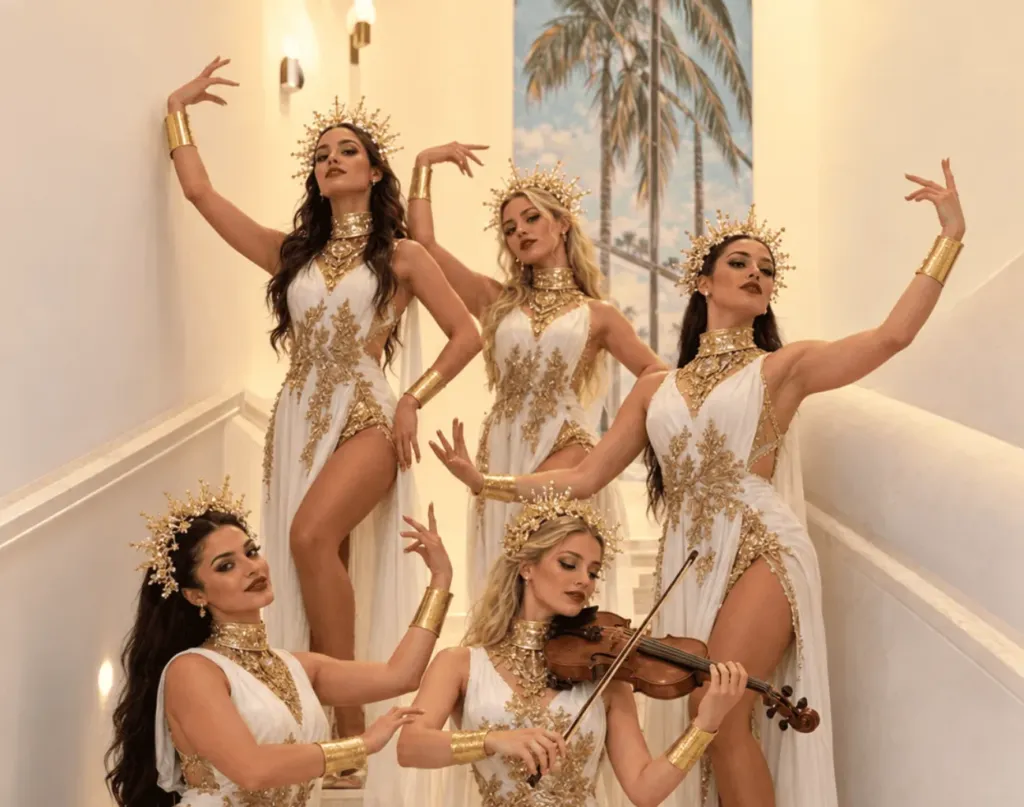
The event run sheet should include performer call time, soundcheck time, wardrobe preparation time, performance start time, performance end time, and exit time.
Add contact details for the artist manager and stage coordinator.
Share the final run sheet with the performer team before event day. Clear timing helps dancers prepare around speeches, dinner service, guest arrivals, and other entertainment.
Prepare a Backup Plan for Last-Minute Problems
A performance contingency plan gives planners options when schedules shift.
Keep backup music files on two devices. Confirm an alternate entry route in case the main backstage path becomes busy. Ask how the artist team handles illness or emergency performer changes.
Outdoor events may need an indoor alternative. Technical teams should keep spare cables and audio connections ready.
Small backup choices can save a very long evening.
A Better Booking Process Starts Early
Dance show planning becomes far easier when event planners ask the practical questions early. Cast size, performance duration, stage dimensions, technical needs, costumes, rehearsal time, contracts, and venue permissions all affect the final result.
Mystic Family helps planners hire dancers for events in Dubai with clear artist information and direct coordination. A strong booking process gives performers the information they need and gives planners a dependable schedule they can work around.
Good shows start before the music begins.