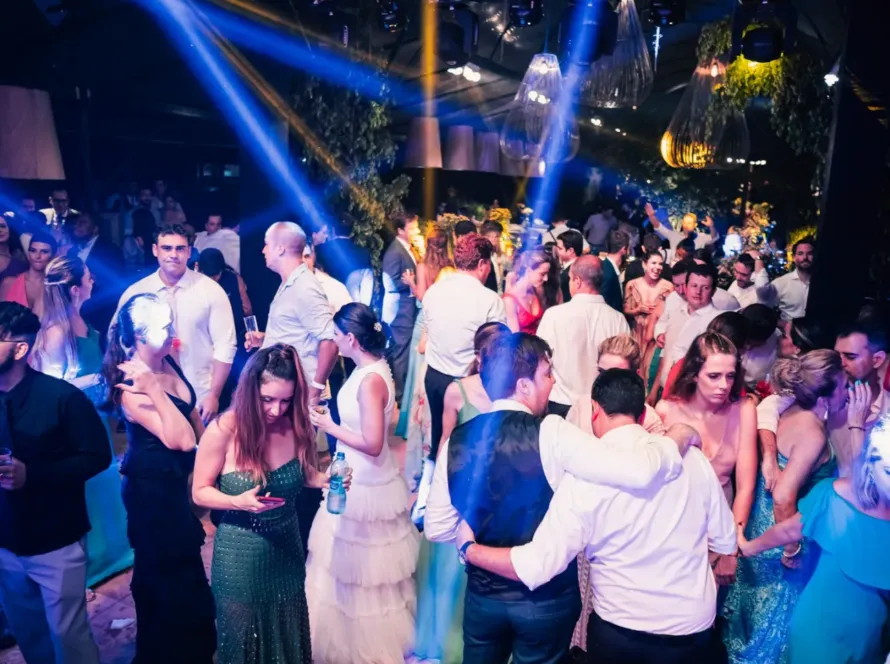
Booking entertainment can look simple at first. Find an artist you like, agree on a date, settle the fee, and add the performance to the schedule. Real events usually involve more moving parts.
Artist availability, contracts, technical requirements, rehearsal schedules, venue access, payment terms, transport, timing, costumes, music edits, and production cues can all enter the conversation. Corporate events may add brand rules and protocol. Weddings may add family requests and several music phases. Private parties can change direction quickly once guest numbers or venue plans shift.
Direct artist booking and agency booking can both work well. The better route depends on your event size, production needs, creative plan, and how much coordination you want to manage yourself.
Mystic Family works with DJs, musicians, dancers, specialty performers, hostesses, and wider event teams in Dubai. That broader setup gives clients one contact for entertainment planning and performer coordination across many event formats.
What Is an Entertainment Agency?
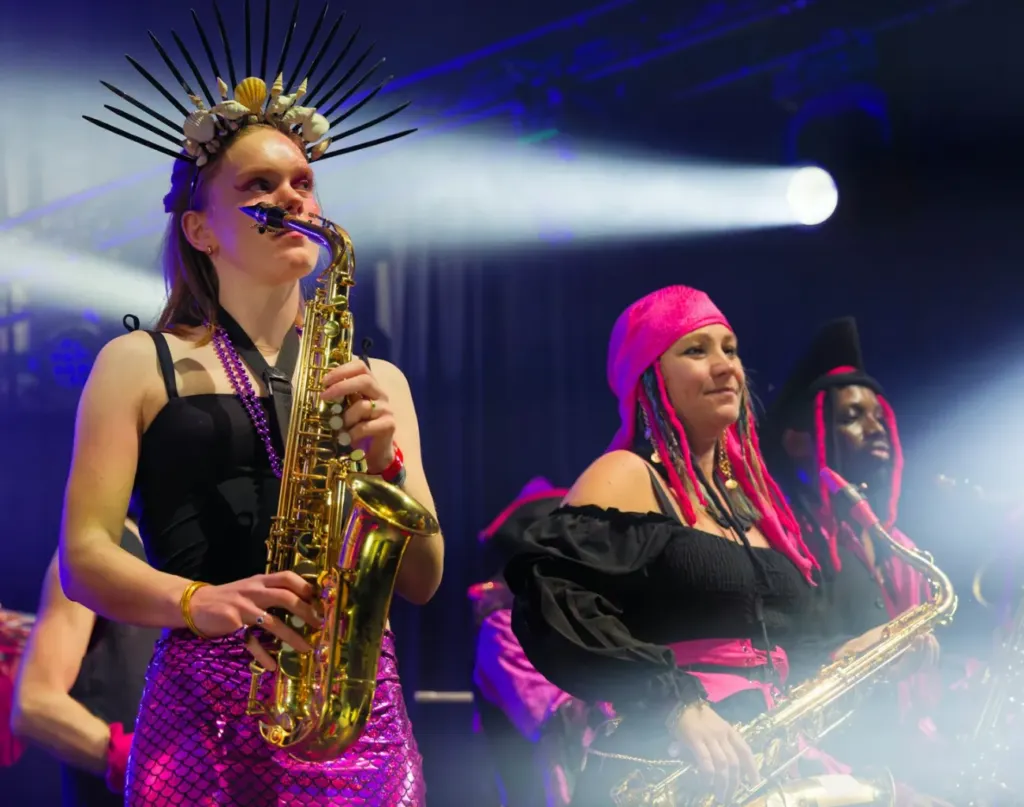
An entertainment agency connects event planners with performers and manages the practical work around the booking.
The agency may source artists, confirm availability, prepare agreements, coordinate payments, collect technical requirements, arrange rehearsal details, and communicate with the venue. Larger productions may also need stage production, choreography, costumes, or entertainment schedules.
Professional entertainment agencies usually work with multiple talent categories. DJs, singers, bands, saxophonists, violinists, dancers, acrobats, fire performers, hostesses, and specialty artists can sit within the same network.
For a client, the main advantage comes from coordination. One contact can manage several performers and help keep the entertainment plan connected to the event schedule.
What Does Direct Artist Booking Mean?
Direct artist booking means the client contacts the performer personally and manages the agreement with them.
Instagram, personal websites, referrals, and previous event contacts often lead to direct bookings. The client discusses the date, fee, set length, arrival time, technical needs, and payment directly with the artist.
Smaller events can work very well this way. A birthday dinner with one saxophonist or a private gathering with one DJ may require limited production work.
Direct booking also creates a personal relationship between the client and performer. Communication can move quickly when the request stays simple, and both sides understand the event requirements.
Entertainment Agency vs Direct Artist Booking: Quick Comparison
Agency booking gives clients access to broader talent options and more coordinated support. Direct booking creates a direct line between client and artist.
An agency can help manage several performers within the same event. The team can coordinate arrival schedules, set times, technical riders, music cues, rehearsals, and production contacts.
Direct booking places those duties in the client’s hands. The performer manages their own part while the client connects it to the wider event plan.
For one performer and a simple schedule, direct contact may feel practical. For multi-artist events, corporate programs, weddings, gala dinners, and complex private parties, agency coordination can save a lot of administrative work.
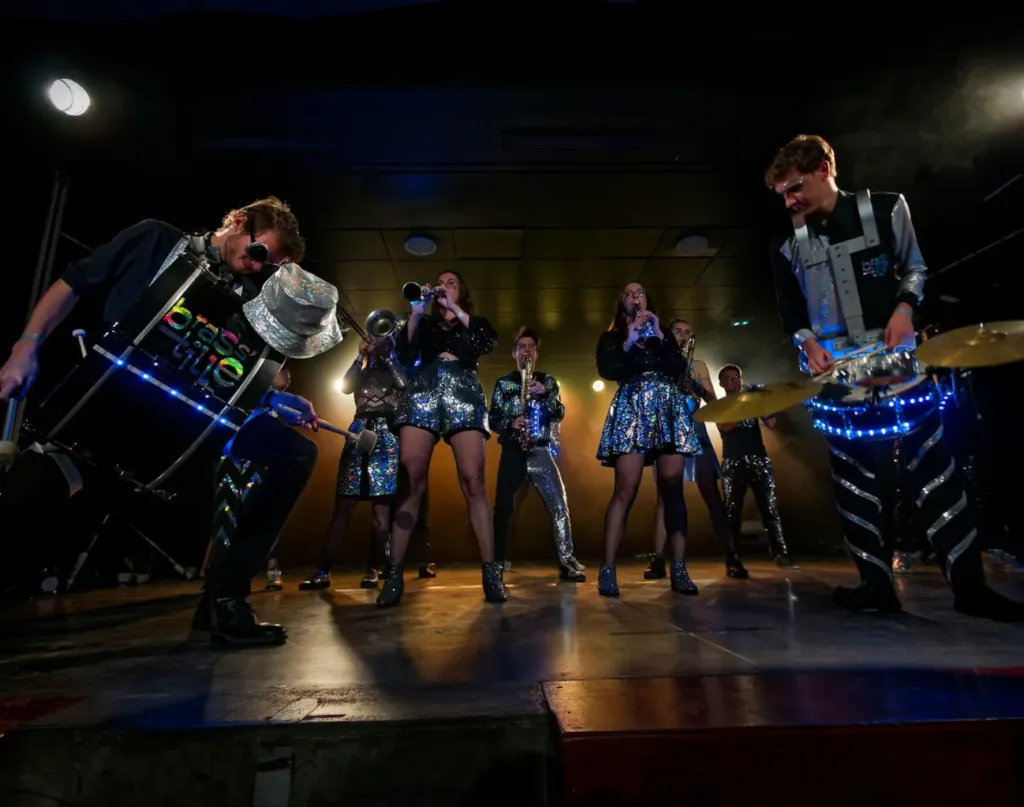
Differences in Cost and Booking Fees
Direct artist booking may have fewer administrative fees because the agreement stays between the client and the performer.
Agency pricing may include coordination work alongside the artist’s fee. Talent sourcing, contracts, payment administration, rehearsal coordination, production communication, and backup planning can form part of the overall quote.
Entertainment costs in Dubai vary widely. Artist profile, event date, set duration, venue location, production requirements, rehearsal needs, costume requests, and travel can affect the final fee.
Price comparisons work best when clients compare the full scope. An artist’s fee alone tells one part of the story. Technical rental, transport, rehearsal hours, stage requirements, and coordination time also matter.
Access to Artists and Entertainment Options
Direct booking works best when you already know the performer you want.
Agency booking gives access to a wider talent network. Clients can review different musicians, DJs, dancers, specialty artists, and entertainment concepts according to the event brief.
Artist availability can change quickly in Dubai, especially during wedding season, holiday periods, gala season, and major corporate dates. An agency can propose another suitable performer when the first choice already has a booking.
Mystic Family can also connect different entertainment elements inside the same event. A DJ may perform beside a saxophonist. Dancers may appear during selected tracks. Percussion may join the later set. The event receives a planned entertainment sequence instead of separate artist bookings.
Contracts, Payments, and Booking Security
Performer contracts help everyone understand the agreement. Date, venue, performance duration, fee, payment schedule, cancellation terms, technical requirements, and artist responsibilities should appear in writing.
Agency bookings usually centralize this administration. Clients receive documentation through one company while the agency manages its agreements with performers.
Direct bookings require the client to review the artist’s own contract and payment terms. Experienced performers often have professional agreements ready for clients.
Performer insurance can also matter for certain artist categories. Aerial performers, fire artists, acrobats, and similar talent may require venue approvals or insurance documents. Agency coordination can help organize those requirements with the event team.
Event Planning and Entertainment Coordination
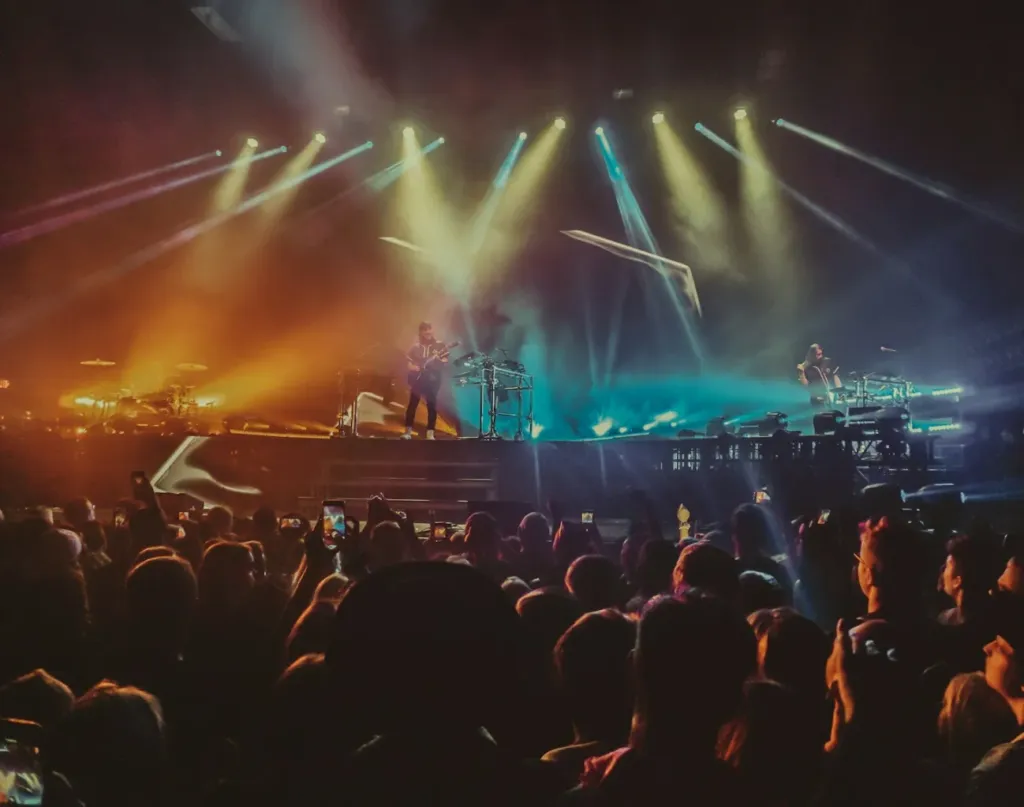
Entertainment sits inside a larger event schedule.
Guests arrive. Dinner starts. Speeches happen. Awards follow. A first dance begins. Performers enter. DJs take over later.
Timing between those moments matters.
Entertainment agencies can work alongside planners and production managers to place performances at suitable points in the program. Artist arrival times can follow venue access schedules. Sound checks can fit around rehearsals. Costume changes can sit between sets.
Direct artist booking asks the client or planner to manage those links personally. Experienced planners often handle this very well when the artist list stays compact.
Technical Production and Equipment Support
Live performers have technical requirements.
DJs may need CDJs, mixers, monitors, booth tables, and audio connections. Bands need microphones, DI boxes, monitors, instruments, and stage space. Singers may request wireless microphones and specific playback tracks. Dancers may need floor specifications or music edits.
Agencies can collect those requirements and pass them to the production team. They can also help identify missing equipment early in the planning phase.
Direct booking requires the client to request the technical rider and coordinate it with the venue or production supplier.
Technical communication sounds boring until show day. Then it becomes very important.
Performer Reliability and Backup Options
Professional artists value their bookings and prepare properly. Agencies add another layer of support when unexpected changes happen.
Illness, travel delays, schedule conflicts, or emergencies can affect any performer. An entertainment agency with a broad talent network can search for a suitable replacement and update the event team.
Direct bookings depend on the individual artist’s own network. Many performers know trusted colleagues and can suggest alternatives when needed.
Larger events usually benefit from formal backup planning because one missing performer can affect choreography, technical cues, or the overall event schedule.
Customization and Creative Direction
Direct artist booking gives clients direct access to the performer’s ideas. Song requests, wardrobe notes, set duration, and performance preferences can pass between both parties quickly.
Agencies can go further when an event requires a larger creative concept. Music edits, choreography, costumes, performer groups, entrances, and technical cues can connect to the same production plan.
Mystic Family works across live music, DJs, dance, specialty entertainment, costumes, and event production. That setup helps clients develop entertainment around the event concept instead of treating performers as isolated bookings.
Corporate launches may need music connected to a presentation. Weddings may need several entertainment phases. Private parties may want dancers beside a DJ and percussionist. Creative direction helps those pieces feel related.
Who Handles Last-Minute Changes?
Agency teams usually become the first contact when timing changes, guest schedules move, or a performer needs updated instructions.
The team can contact artists, update call times, speak with production, and revise entertainment schedules.
Direct bookings place that communication between the client and the performer. For small events, the process can stay very easy.
Large corporate events and weddings often have several suppliers at once. An agency can reduce the number of conversations the planner needs to manage during the event.
When Should You Hire an Entertainment Agency?
Agency booking works especially well for events with several performers, complex schedules, VIP guests, choreography, costume requirements, or technical production.
Corporate galas, product launches, weddings, festivals, private parties, fashion events, and large celebrations often benefit from central entertainment coordination.
Clients who want artist suggestions can also gain value from agency support. A professional entertainment agency can review the guest profile, venue, budget, and event plan before proposing suitable performers.
When Does Direct Artist Booking Make Sense?
Direct booking can work beautifully for simple entertainment needs.
A restaurant dinner with one musician, a private birthday with one DJ, or a cocktail reception with one violinist may require minimal coordination.
Clients who already know an artist and understand their technical needs may prefer direct communication.
Personal relationships matter too. Repeat clients often book trusted performers directly because both sides already understand how they work together.
Which Option Is Better for Corporate Events?
Corporate events often benefit from agency coordination because schedules can involve registration, speeches, presentations, awards, dinner, and entertainment.
Brand guidelines may also influence music, wardrobe, performer behavior, and stage timing.
Corporate event entertainment can include several talent categories across one evening. An agency can manage artist schedules and connect entertainment with production requirements.
Direct booking can still work for smaller corporate dinners or simple networking events with one performer.
Which Option Is Better for Weddings and Private Parties?
Weddings often have several emotional phases. Guest arrival may need a violinist. Dinner may include a singer. The party may feature a DJ with a saxophone or percussion. Dancers may join later.
Agency booking helps couples and planners coordinate those artists across the full celebration.
Private parties vary more. A small dinner may need one musician. A villa party may include a DJ, dancers, and specialty entertainment. The event format usually tells you which route makes sense.
Mystic Family can support weddings and private events with musicians, DJs, dancers, hostesses, and specialty performers across Dubai.
Choosing the Right Booking Route for Your Event
Direct artist booking gives you personal contact and a simple setup when entertainment requirements stay limited.
Agency booking gives you wider artist access, contract support, technical coordination, backup options, and creative planning for events with more moving parts.
Start with your event size, performer list, venue, technical needs, and schedule. Then look at how much coordination you want to manage personally.
Mystic Family can help clients source performers, plan entertainment sequences, manage artist communication, and connect live entertainment with the wider event production. For planners who want one team to handle the entertainment side, that support can make event preparation feel far easier.