

The artistic director decides how an audience will follow a performance when several creative departments contribute material to the same event. As dancers interpret the music’s pace, they establish the performance’s movement. Against that movement, a costume changes what a guest sees. Someone has to judge those contributions together and decide which version belongs in the show.
For event artistic direction in Dubai, the useful question is how a creative decision travels between departments during production. Mystic Family develops shows through its own creative team, with choreography and costume production within the company. Its artistic director’s work concerns the relationships between those contributions: a musical pause that accommodates an entrance, or a garment change that alters a character’s appearance.
Decide What the Audience Follows

The artistic director needs a specific description explaining the performance’s action when an event brief describes an atmosphere using broad adjectives. For a fictional anniversary celebration, a formal opening might progress toward a lively finale. After accepting that idea, the director decides where the performance changes character and what motivates the change. The music team needs to know which passage retains the opening’s restraint and where the cast starts the celebration.
Creative references become useful when the director identifies the particular relationship worth investigating, such as a ceremonial costume worn during an increasingly energetic dance. In discussion with the choreographer, the director proposes a test the cast can perform. If the formal appearance remains throughout the finale, the visual transition needs another treatment. The designer then has an artistic question to answer through a proposed costume change.
Make Musical Decisions Beside the Choreography
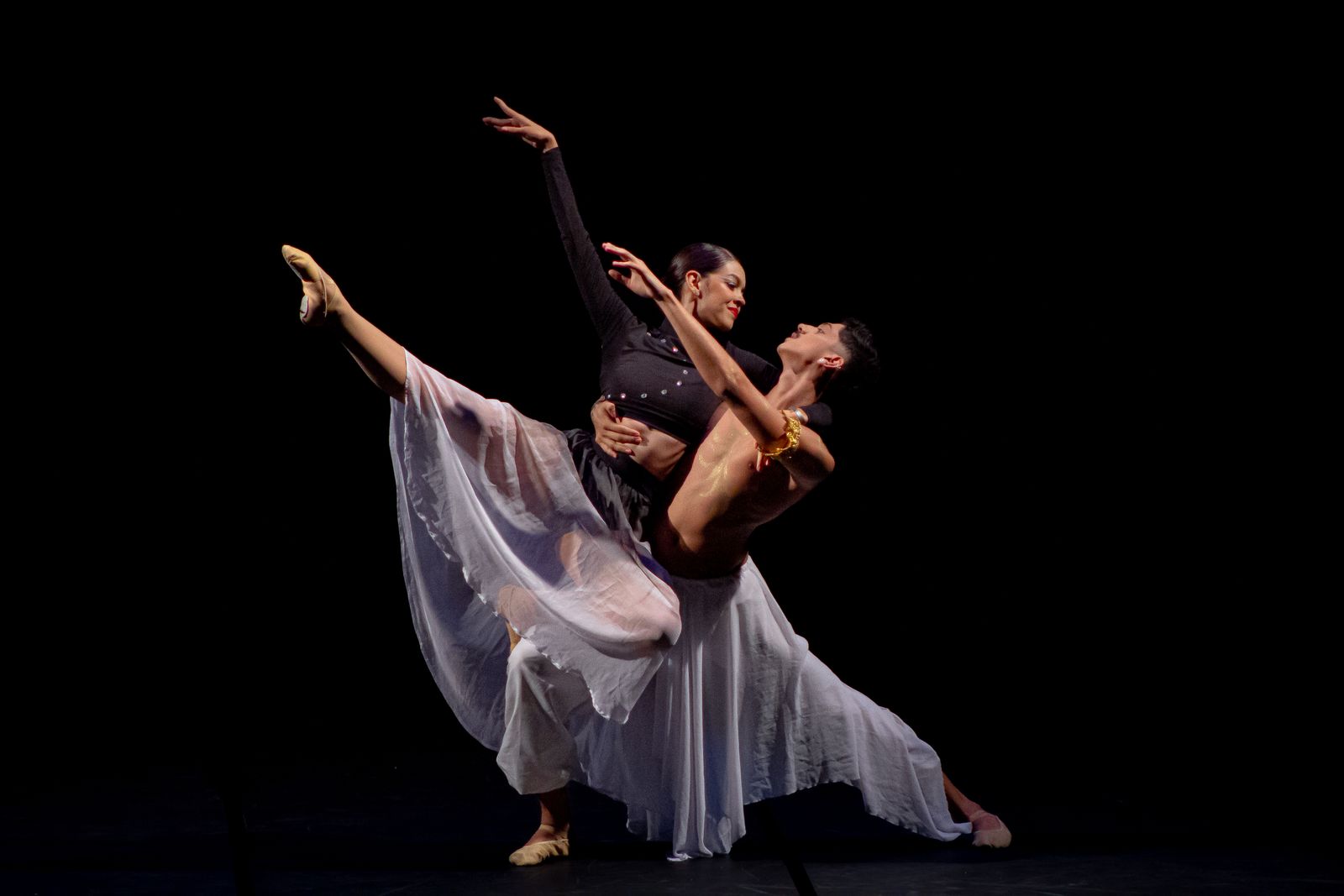
Music preparation needs contact with the people developing movement, especially when a track’s strongest accent occurs halfway through a dancer’s entrance. Mystic Family’s choreography service describes collaboration with music and the wider production team. In rehearsal, the director judges whether that accent rewards an action the audience has already seen. After the accent moves, the choreographer assesses the proposed edit with the cast to check the revised phrasing.
For the anniversary example, the music needs to accommodate a costume change that signals the shift into the celebratory finale. The director might ask for an instrumental passage during which the lead performer continues onstage as the ensemble changes backstage. Studio 260’s audio production work provides an internal resource for discussing such musical edits. Approval belongs to the passage heard alongside the revised movement, with the chosen audio version identified for subsequent rehearsals.
Judge the Costume as Part of the Action

Costume proposals require the director’s artistic judgment when a garment changes a performer’s silhouette or suggests a different character from the intended role. Mystic Family’s Costume Atelier develops clothing within the company’s production work. In a joint review, the designer explains how a removable outer garment would change the ensemble’s appearance between the opening and finale. The director evaluates the proposed change alongside the musical transition.
If the ensemble returns in a substantially different silhouette, the artistic director judges whether guests will recognize the same characters as the celebration develops. The designer might retain a recurring color in both outfits. After discussion with the music team, the choreographer tests the entrance into the finale. Rehearsal establishes whether the costume change fits the proposed passage. The director selects the interpretation that best supports the scene, with physical suitability assessed by the responsible specialists.
Resolve Choices That Affect Several Departments

When an artistic director revises an entrance already supported by a lighting cue, the lighting team needs to review its prepared work against the new movement. In the production discussion, the team needs to identify that dependency alongside the proposed artistic improvement. AACT’s stage management handbook recommends production meetings to address questions that arise during rehearsal. Its guidance concerns theater practice and supplies a useful reference for cross-department communication.
For a proposed entrance change, the director explains the artistic reason and hears how the revision affects the available rehearsal session. If the cast needs additional practice, the production team assesses the time available within the agreed schedule. Acceptance then concerns a revised passage the relevant departments can prepare. The discussion remains tied to an observable performance decision, with the client consulted when the proposal changes approved scope.
Work with the Stage Manager on Execution
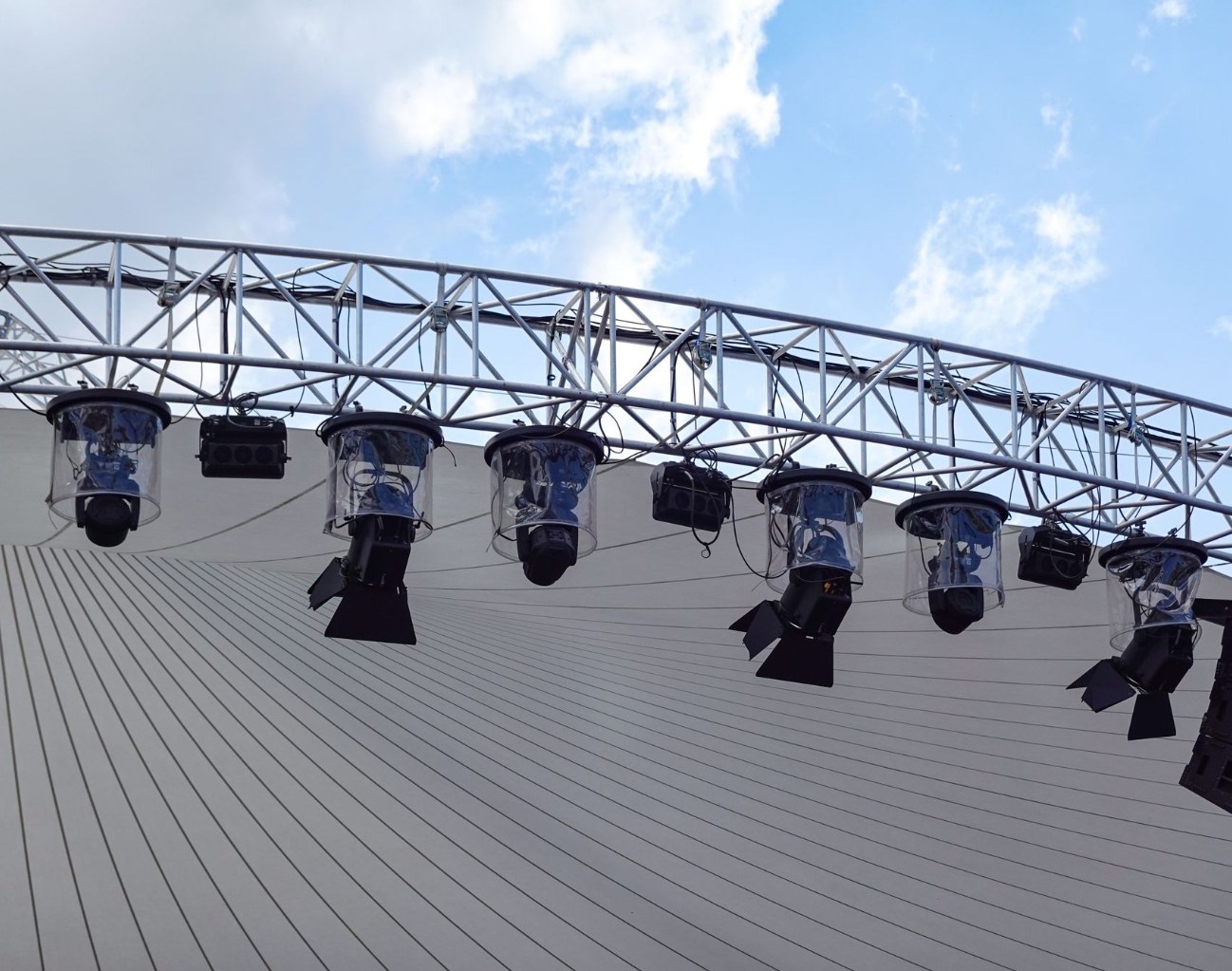
Once the artistic decisions receive approval, the stage team needs an operational handover explaining how the performance progresses after rehearsal has finished. The Royal Shakespeare Company describes stage management as the communication point between rehearsals and other departments. Alongside the director throughout rehearsal, its deputy stage manager prepares to call cues during performances. Its published account illustrates how artistic preparation reaches the people responsible for executing a show.
Within an event production, the director and stage manager agree which action or backstage signal triggers the next cue when the performance includes variable human timing. For the fictional anniversary, the ensemble’s readiness backstage determines when the musical transition can reach its final passage. Technical rehearsal tests the communication between the backstage team and cue caller. If a costume change takes longer than the prepared passage, the director needs a rehearsed musical extension that preserves the intended scene.
Review the Whole Performance
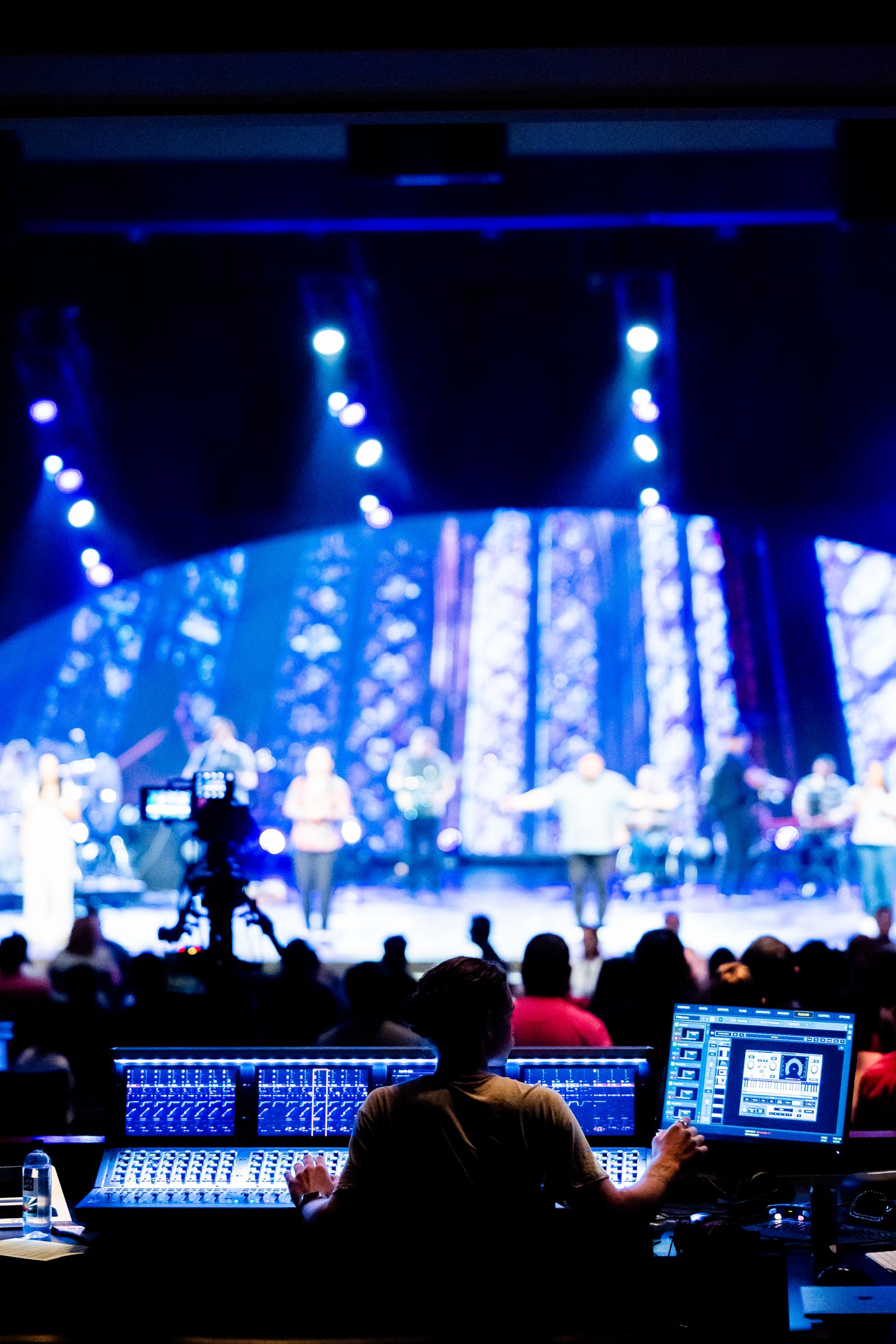
Technical rehearsal permits the artistic director to evaluate the complete sequence after separate departments have prepared their contributions to the production. The transition into a dance may feel rushed once the actual entrance route replaces the rehearsal arrangement. After watching the full passage, the director decides whether to revise the musical lead-in or shorten the preceding action. The cast then rehearses the accepted revision with the relevant technical cues.
For a client reviewing the show, the director explains the artistic decision in terms of what guests will see during the scheduled performance. The anniversary finale needs a visible change in character that follows the formal opening. Once the ensemble returns in its second costume, the choreography develops the celebration already introduced by the music. The review concerns that complete transition, supported by the event’s actual viewing conditions.
Mystic Family’s creative team offers a starting point for discussing an event whose music and performance need development together, supported by its in-house costume work. Share the intended audience and the event’s purpose during the initial production discussion. The artistic brief then establishes which relationships the director will develop with the team during preparation.


