The band’s stage plot puts a keyboard beside the drummer, but the venue plan puts the presenter’s stairs in the same spot. Both diagrams can be correct on paper. Ask the venue technician to send the latest floor plan with those stairs in place, then let the artist’s technician check the space left for the set. The crew can settle the position on a drawing while there is still time to move the stairs on the event plan.
What the Rider Covers
An artist’s rider explains what the booked act needs to perform at your venue on the agreed date. The technical section covers the performance setup and the time the crew needs to test it. Hospitality requests, such as a private changing area or meals, may appear in a separate section. Check the edition date and ask which version applies to your cast. The rider for an electric quartet can differ from the one for the acoustic trio in the same band’s booking proposal.
Save the version the artist’s contact approves for your event and share it with the venue technician and production lead. The artist roster and set length should match the signed booking. Details such as arrival time and access can live in the event schedule, as long as both teams work from the same revision.
Read the Stage Plot Against the Venue Plan
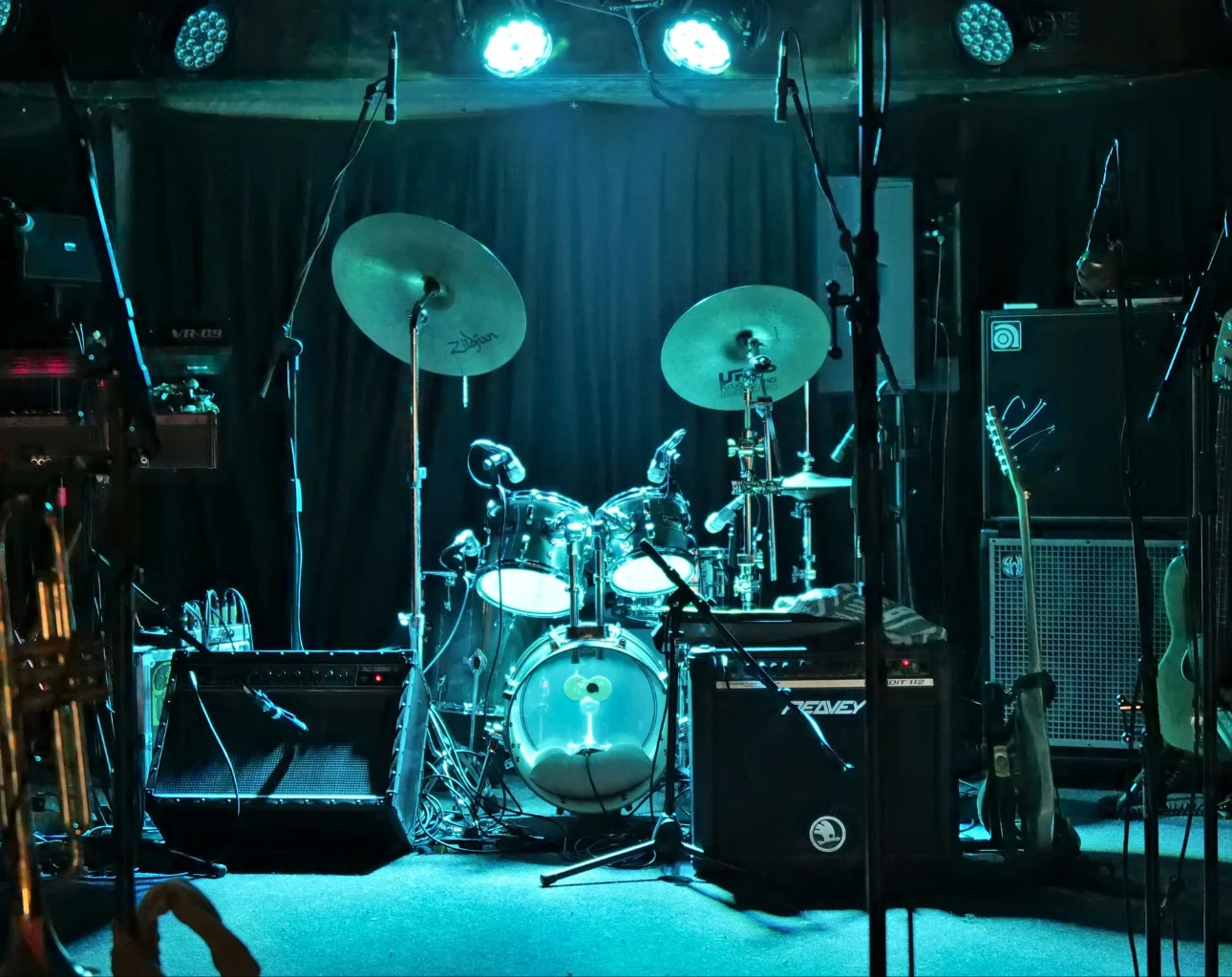
Your technician can use the stage plot to see where the performers and equipment go, then compare their positions with the actual floor plan. Ask for the usable stage width and depth once stairs and any fixed furniture are accounted for. Corporate dinners often share the stage with a lectern or a screen. Have production show what stays in place during the act and what moves for the performance.
Dance performers need time to check the surface they will use and the path they will take onto the stage. If a set changes from speeches to a dance number, check the floor treatment and the route the cast will use to reach its opening position. Mystic Family’s stage performances cover several types of acts; the requirements belong to the specific piece you are booking. Any act with overhead equipment needs a qualified venue and production review for its proposed setup.

Use the Input List to Check the Audio Quote
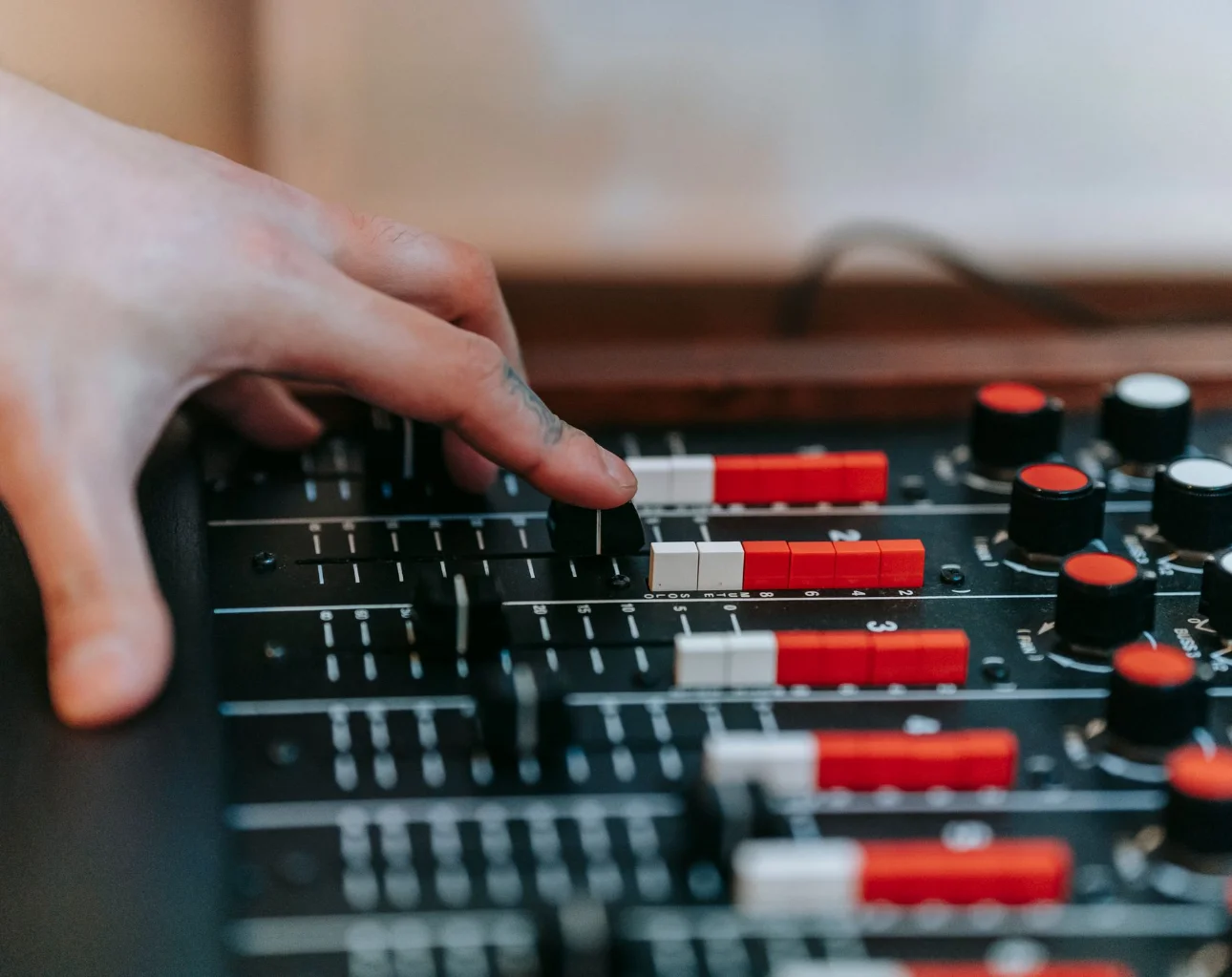
The audio input list tells the venue engineer which sources need mixer channels and how they connect. Yamaha’s live sound guide shows how to record the signal source beside its mixer channel and connection type. The engineer can compare the list against the venue’s inventory and flag equipment that needs a rental. Front speakers feed the audience. Onstage monitors let the artists hear the mix they need to perform.
Ask the audio supplier to confirm who supplies the microphones and instruments listed for the act. If a model is unavailable, send the proposed replacement to the artist’s technician and ask for written approval. For playback-led performances, agree who starts the track and which copy the operator will test. The same cue can land a beat late if the operator and cast rehearse with different edits.
Put the Show Check on the Schedule
The best time to find a patch issue is when the engineer can still reach the stage, so reserve a sound check while the venue is available to the performers. Confirm the loading slot and the technician’s call time. The act’s contact can tell you how much time the team needs once the gear is in place. Share the schedule with the venue and the sound supplier so both know when the system has to be ready.
For a band, the check includes the microphone signals and the mix the artists hear. For a choreographed number, use the opening cue and the final exit in rehearsal so the cast and stage manager agree on the run. If the public setup shares a corridor with the crew, agree on the route the performers will take and the time they’ll use it.
Agree on the Version You Can Stage
If the venue can fit the musicians only when its lectern moves, ask who can move it and how long the change will take. Keep the band’s approved setup on one page and record the move in the event schedule. For a dinner with an awards segment, the stage manager can use the applause after the final award as the cue to clear the lectern. The band’s crew should know where the lectern will go so it stays out of the band’s route.
Some venues keep their equipment lists on file between events, so ask the technician to check what is available for your date. If a mixer or microphone is booked elsewhere in the building, add its replacement to the supplier order once the artist confirms the change.
Record Who Provides What
Use the agreed rider to record the supplier for each open item, especially when the venue package and the artist’s fee come from different teams. Put the rental supplier next to any added equipment and identify who approves the cost. If production signs off on a substitute, record the accepted model and send the update to the artist’s contact. Send the venue engineer a copy with the revision date so the updated request goes into the equipment order.
Dubai’s Department of Economy and Tourism publishes a separate event permit application for registered Dubai organizers. Ask your organizer or venue contact who is responsible for the permit and which performer details are needed for the event. Keep the permit with the organizer’s records; the rider is the working document for the show setup.
Share the Venue Details When You Ask for a Rider
Mystic Family’s entertainment team can discuss the technical requirements for the act you want and review the venue details you already have. Send the current venue plan and your draft schedule when you make a performance inquiry. If the venue or cast is still open, say which decision comes next. The technical team can help you identify which requirement to confirm with the venue ahead of your booking.