

Look at the cloth trailing a dancer in Mystic Family’s Lo-Fi Mystic Atelier DJ Sessions and you can see part of the choreography in the fabric. Watch for the instant a dancer changes direction. The fabric can still be traveling the other way for a beat, so the turn seems to last a little longer than the movement that set it off. For the costume designer, the question is how much fabric belongs in that last pose. On paper you can see how far the cloth reaches; only the cast can show when it comes to rest.
Domansion is Mystic Family’s creative production house in Al Awir, Dubai, where its artists have space to rehearse and its costume team works on performance garments. Musicians record and edit at the house’s Studio 260. In the filmed DJ sessions, founder Sherlyn Gabriela Serrano performs as DJ La Cacique. Her account credits the studio for the music and Mystic Atelier for the garments.
The Camera and the Dinner Table
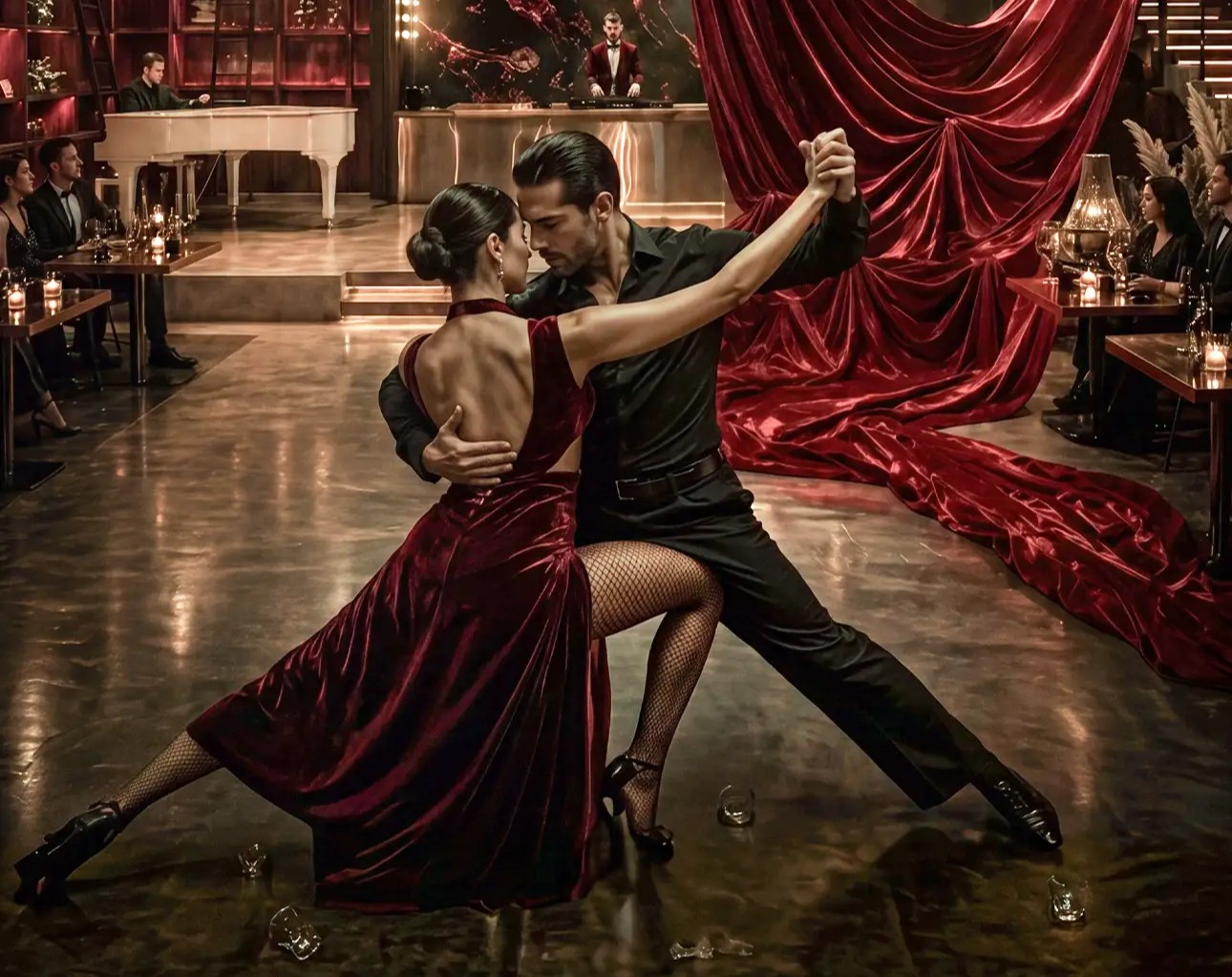
What would it take for a guest at a dinner table to see the same thing the camera sees in those sessions? In a film, the editor decides how long you watch a hand or a face. Someone at the back table sees the whole cast throughout the number. Which detail do you want guests to see? Fabric that sweeps across the frame suggests a wider turn on stage. To read a raised eyebrow, guests need to be much closer to the performer.
Mystic Family performed for a live audience at the Sunset Gathering at W Dubai Mina Seyahi. The choreography drew on Mexico’s jarabe tapatío alongside contemporary movement. Mystic Atelier made the costumes, which included dark sheer fabric with metallic accents. For a new commission, try one detail from the show at rehearsal: when the dancer rotates a shoulder, does the light draw your eye toward the arm or away from the footwork? Film the same phrase in a plain rehearsal top and compare where your eye goes.
What the Studio Can Settle
For a spoken entrance, the performer’s delivery is a better starting point for the music than a duration penciled into the running order. Studio 260 records spoken material and edits audio, so the client can ask to hear the actual line against the proposed entrance music. Does the last word land on the beat where the cast looks up? When a speaker pauses for applause, the next beat keeps coming. Record the line into the track if the timing is fixed. For a live speech, the dancers need a signal they can pick up from the speaker.
Rehearsal at the house is a good time to find out who needs to hear the musical signal. If a count is audible to everyone at rehearsal, ask the venue’s sound engineer where it will play at the event. Guests seated near a loudspeaker at dinner may hear a count meant for the cast. Try a short musical pickup the guests will hear as part of the piece. Have the cast come in on the first note during one run and on the answering phrase during another. The director can see which entrance suits the available distance.

What the Cast Can Show in Costume
On a rehearsal floor a dancer can repeat the same phrase facing two directions, so the designer can see what happens to a sleeve when the audience looks along the arm. Seen head-on, the sleeve might finish just at the wrist. Turn the pair sideways and the fabric can cover a partner’s hand. Guests looking for the moment the dancers trade partners might miss the exchange. Rehearse the exchange facing the other side. If the cast prefers the original position, ask the designer to pin the sleeve for another pass.
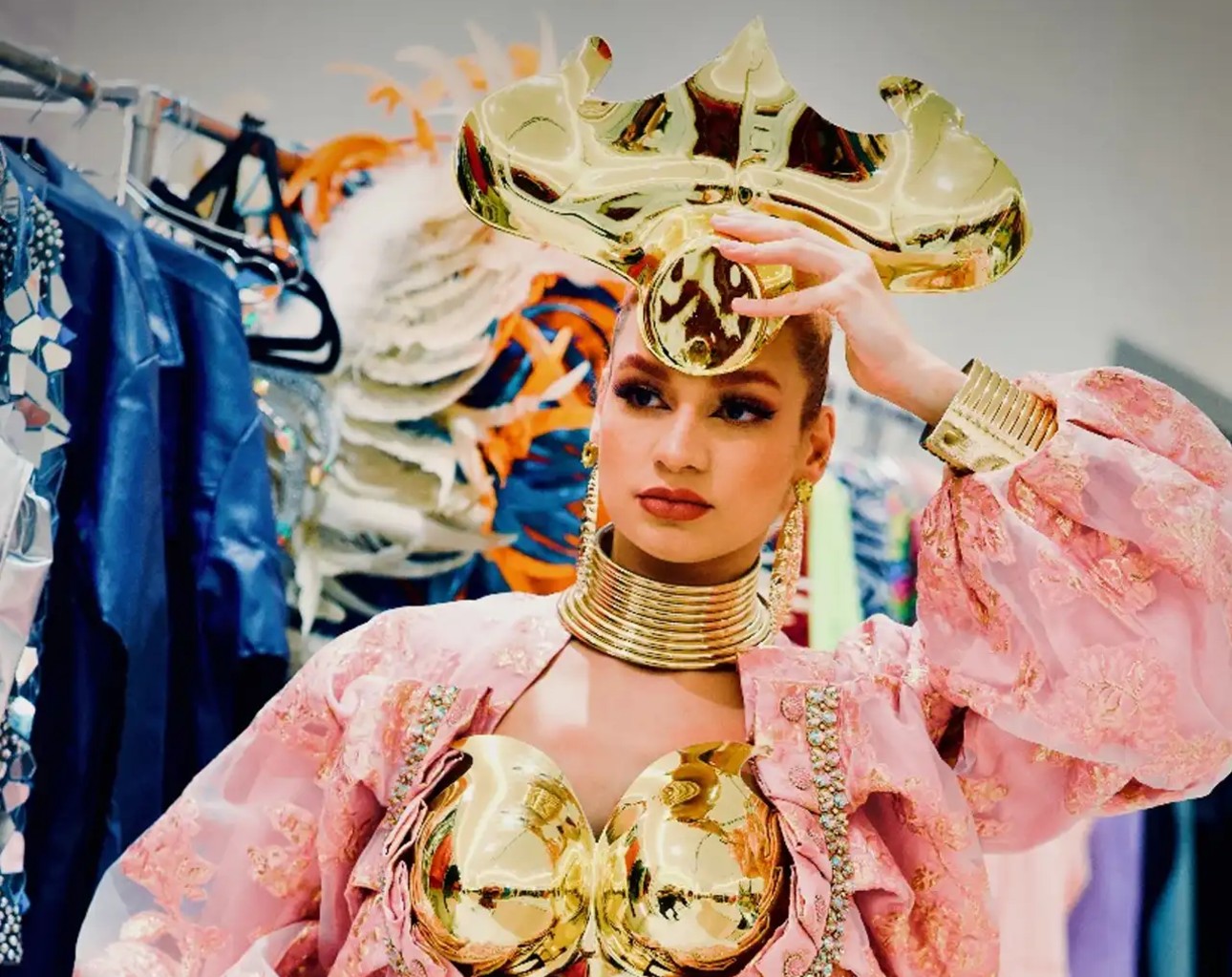
Time backstage counts toward the wardrobe decision too, especially for a performer who returns in a new costume midway through a piece. The Victoria and Albert Museum describes how theaters allocate spaces near the wings to artists facing quick changes. In a fitting at Domansion the dancer can try the fastening with the garment on. Walk the venue’s actual route to see how much time remains for changing clothes. For a number with two looks, start the clock when the first costume disappears from the audience’s view and stop it when the dancer comes back into sight.
The Preview a Client Needs
For a client review, ask for a continuous wide view of the passage that carries the event’s main idea, with the agreed music playing. Look at the same passage in close-up and you might see the stitching across a jacket. In the wide shot, where does your eye go when another dancer crosses in front of it? For guests seated down one side, the person nearest the camera may block most of the cast. Move the camera to their side for one more run. You might find the duet reads well from both seats once the dancers face each other on a diagonal.
When a change wins approval at rehearsal, someone needs to carry the decision to the people who will call it on the night. The Royal Shakespeare Company describes its deputy stage manager as the link between rehearsals and the other departments; during a performance that person calls cues. In Dubai, the venue and the producer need to agree who will take that call. Write down what the caller will actually see, such as the lead dancer placing the jacket on a chair. Whoever plays the music needs the same instruction beside the agreed ending.
What to Send Mystic Family
If a particular act first caught your eye, send Mystic Family the clip with the moment you want your guests to see. Include the event date and a view from the audience’s position if the venue is booked. Use the project inquiry to ask which passage the cast would rehearse for a first review at Domansion. For a performance during dinner, include the service schedule: the cast needs the floor when the guests have a chance to look up.


