Two seconds of dance can carry an entire product shot if the performer lands in frame just as the product enters the camera frame. The producer can describe those two seconds in the brief: where the dancer enters and what the viewer sees at the cut.
Describe the Shot the Editor Needs
Show the choreographer the storyboard or share a rough recording with the director’s comments ahead of the first movement rehearsal. For a footwear commercial, the brief might ask for one clear view of the shoe during a turn. If the director wants a cut as the dancer lands, ask for a held position for an extra count. The editor can then choose how long the shoe stays in view.
Share the exact section of the music the producer expects to use in the finished cut, especially when the action lands on a specific beat. The choreographer can set the count against the edit you plan to use and note where a short version needs another ending. Some shoots start rehearsals on a temporary track. The director can name the person who will confirm the final version and set aside time to try the movement against it.
Plan for the Camera Frame
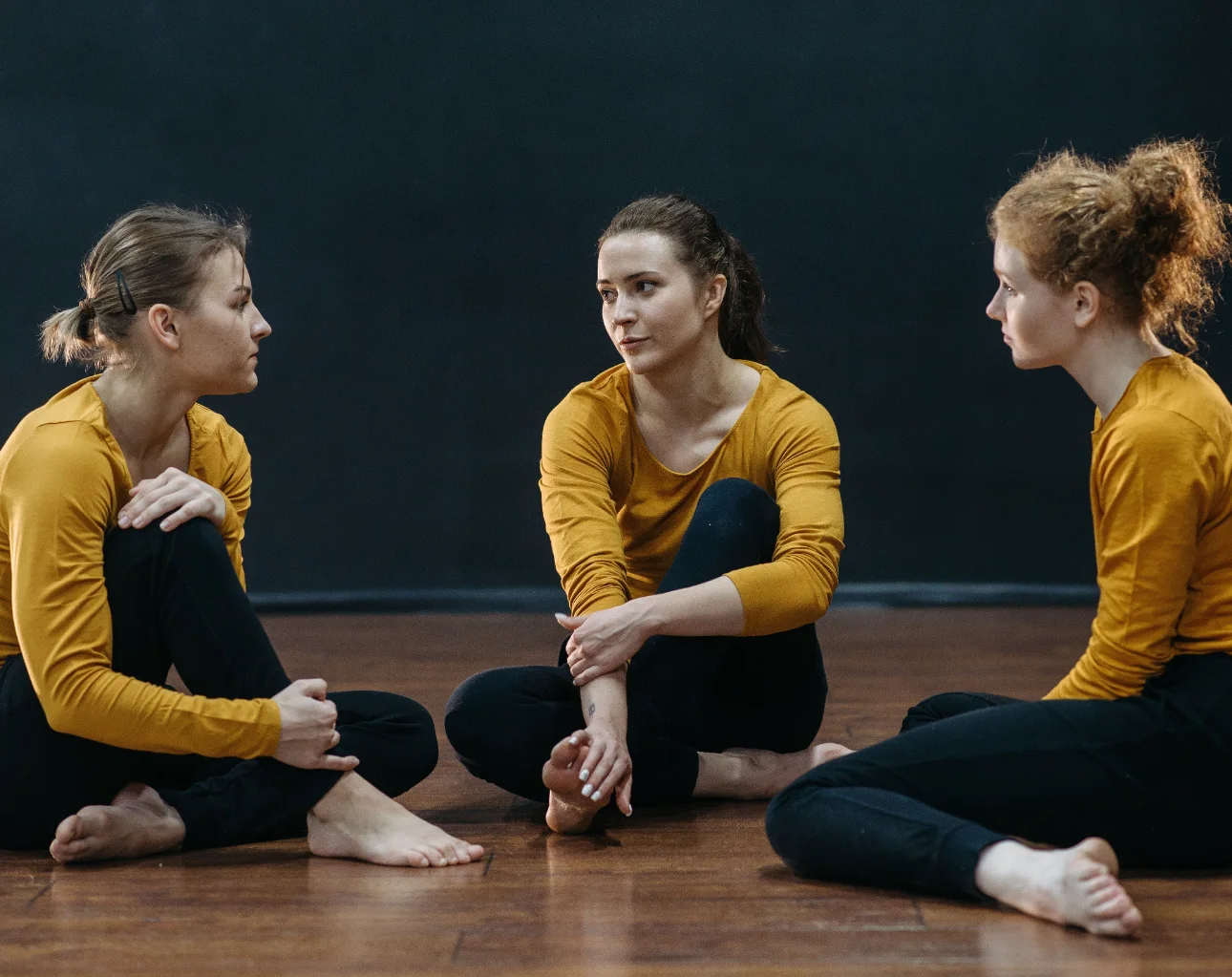
Ask the director of photography to identify the frame for the main shot and explain how the camera will travel during the movement. If the camera follows the dancer sideways, the dancer needs rehearsal space for the full move and a clear place to stop. For a close shot, the choreographer can decide how a turn or reach reads when the camera sees only the upper body.
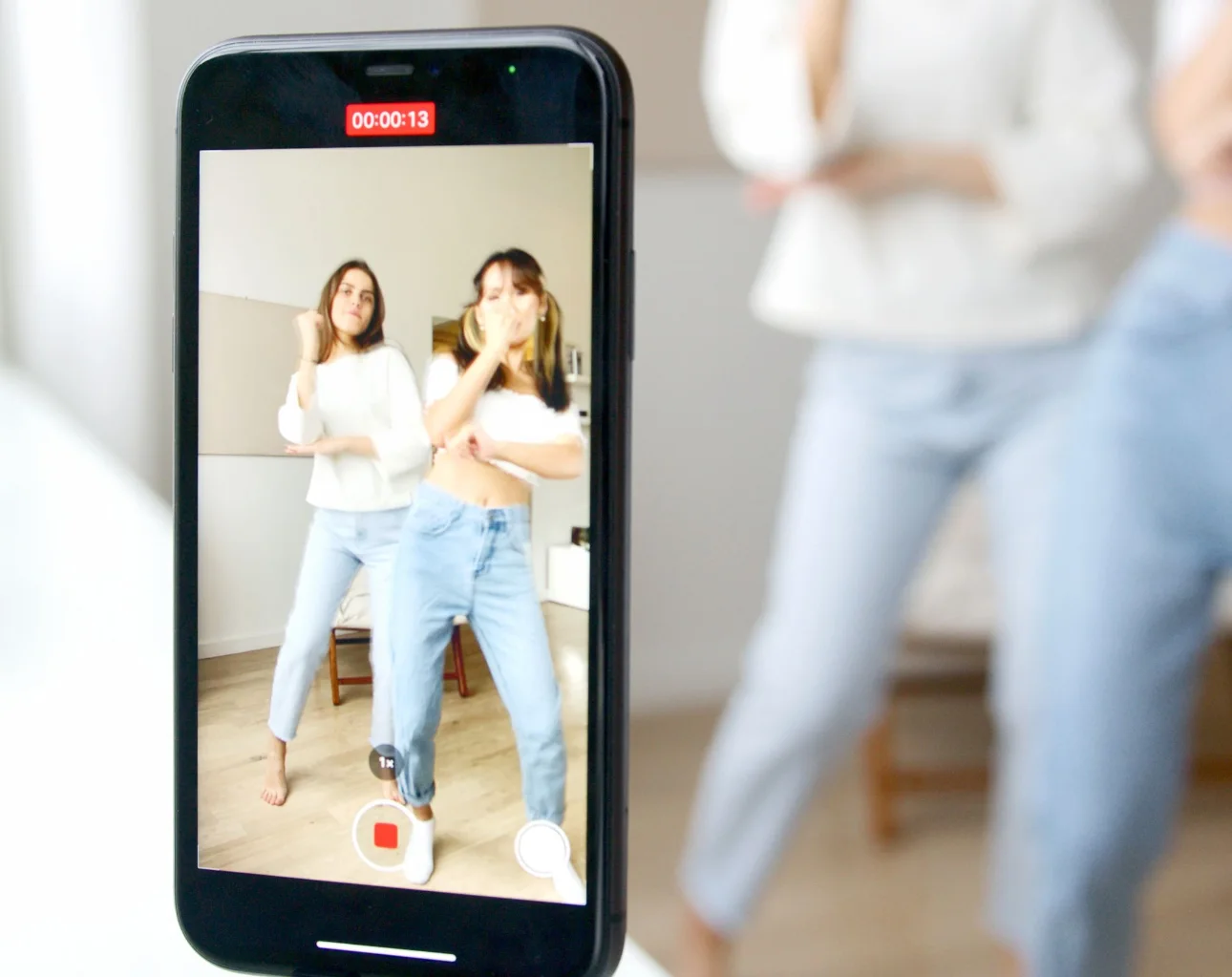
Vertical edits deserve their own rehearsal when the campaign needs a portrait cut for a phone screen. Two performers who fit side by side in a wide shot might work one behind the other in portrait. Ask the director which performer should stay visible when the second dancer enters. Try the revised placement in the intended frame while the crew can still move the camera.
Send the Floor Plan and Wardrobe Notes
The choreographer will need the usable floor dimensions and a photo of the surface where the dancers will actually perform. If cables take up part of the floor, tell the choreographer how much usable width remains after the crew lays its cable route. Share the space the camera team needs to move with the performers. Confirm which shoes the cast will wear on camera, since a change in sole can alter a turn on the same floor.
Ask the wardrobe team for a test garment if a sleeve or hem appears near the product on camera. Rehearse the lift or turn in that garment, then look at the playback with the person approving the shot. Mystic Family’s choreographer service describes its work on custom routines. Producers can use the service page to start a conversation and discuss the movement a specific commercial needs.
Rehearse Transitions and Pickups
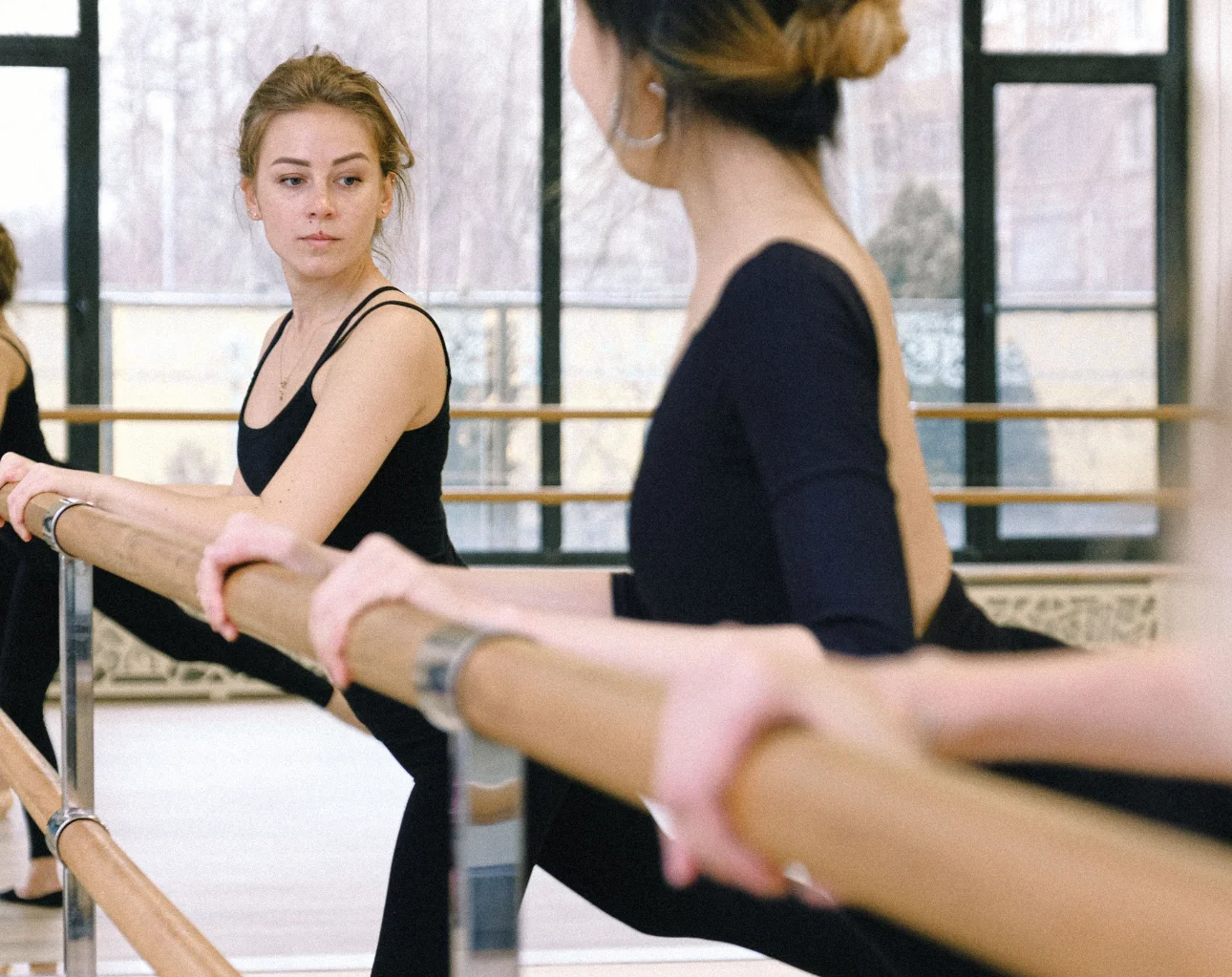
Use a short camera rehearsal to see where the performers’ movements meet the camera’s position and the product’s place in the frame. The UK script supervision standard describes checking continuity and technical camera details during rehearsals. Producers can apply the same principle to a dance shot by recording the dancer’s start position and the count where the camera changes its framing.
If you film the last two counts as a pickup, start the dancer far enough back in the phrase to arrive at the cut with the same pace. Save a reference take for the camera operator and the editor. On playback, check the hand closest to the product and the direction the dancer faces on the final count. Consistent hand placement helps the editor cut between takes filmed hours apart.
Put Approval and Revisions in the Brief
Name the person who can approve movement on set, particularly when the director and the client’s representative both attend the rehearsal. Ask the choreographer to explain what can change between takes and what would call for another rehearsal. One rehearsal pass may be enough to test a different hand gesture. Changes to the route across the floor can affect the camera move and leave the crew with a new setup.
The Choreographers Guild handbook discusses responsibilities when hiring a choreographer for screen work. Use it as a production reference for the conversation. Ask who will approve the filmed routine and whether a requested revision needs the cast to return. Confirm the specific work and any agreed usage terms with the people involved in your shoot.
What to Send Ahead of a Dubai Shoot
Send the storyboard and the music excerpt with a short note naming the product shot the editor needs to protect. Add the floor plan once the location team has confirmed the usable area. If the production includes several cuts, identify which one takes precedence when the crew has time for one final take. The choreographer can then plan the rehearsal around the movement the campaign needs. If the product comes in different sizes, confirm which version will appear in the dancer’s hands. Use that version during the camera rehearsal when you can. The performer may need to change their grip to keep the label visible. If the label appears during a close shot, agree whether the dancer shows it as they enter the shot or turns it toward camera at the end. The editor can tell you which version suits the cut.
When you contact Mystic Family, include the proposed shoot date and your intended rehearsal window. Share the planned cast size if you have it, or ask the choreographer how many performers can work in the selected shot. Your sketch can take the place of a finished storyboard at the first conversation if it shows where the product appears and where the dancer lands.