

Dress rehearsal lets the designer assess a dance costume throughout the choreography, with the performer wearing the complete outfit planned for the show. Producers arranging dance costume design in Dubai need to schedule the review with the lighting team present. Fabric approved in a workshop can look different onstage, and a sleeve accepted during a fitting still needs a trial through the complete dance phrase.
Mystic Family’s Costume Design Atelier makes custom costumes through its own cutting and sewing workshops, with designs developed for professional performers. For a dance production, the rehearsal discussion can address a particular garment’s behavior during the performance. The appointed designer assesses garment alterations after watching the rehearsal and hearing the performer’s account.
Prepare the Garment for the Actual Dance
Choreographers identify passages requiring a costume review, then explain what the dancer needs to accomplish during the selected movements. For an overhead arm sequence, assess the sleeve with the dancer’s arms at their intended height. Continue into the next phrase so the designer sees how the sleeve settles when the performer returns to the opening pose.
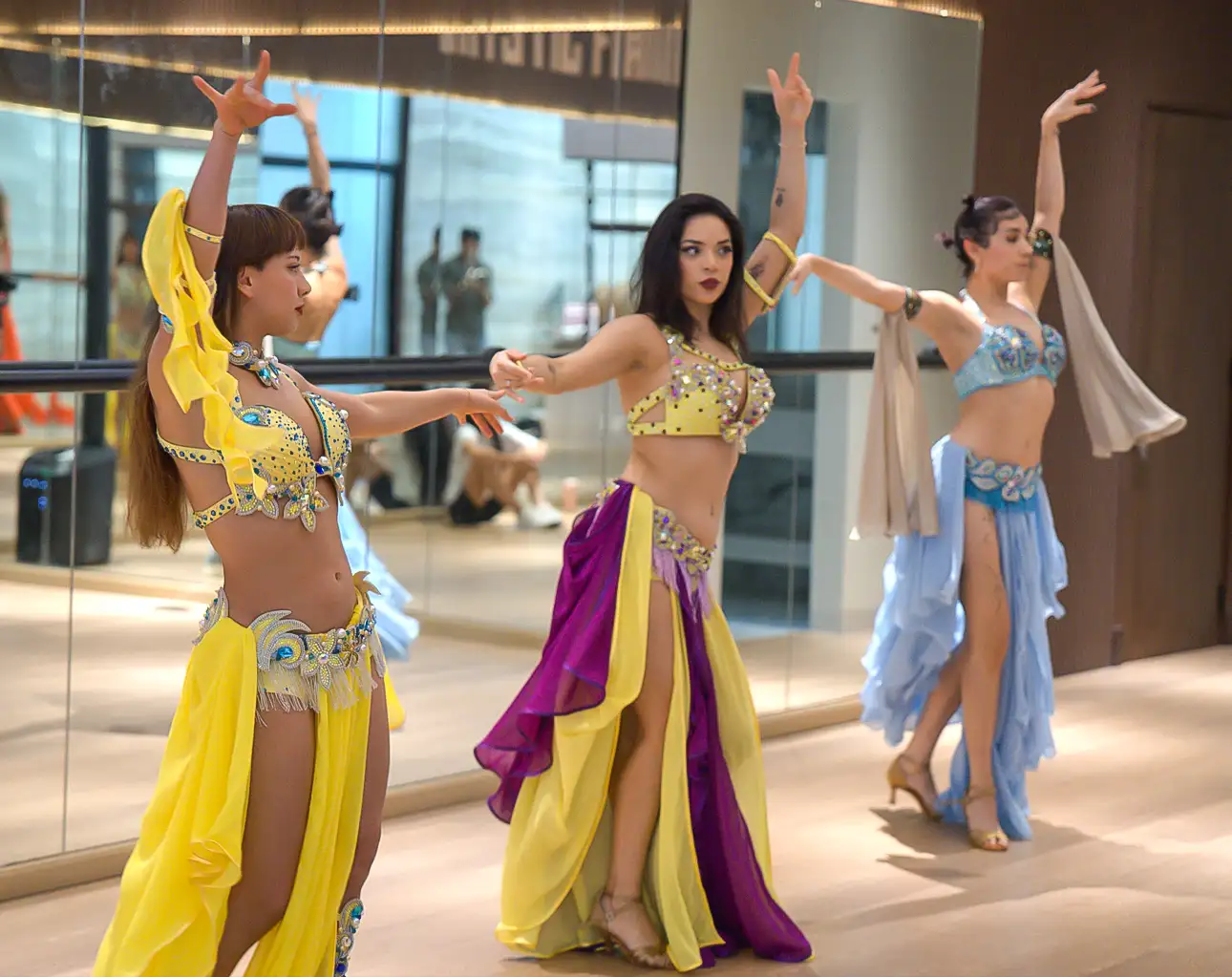
The dancer needs the intended footwear during the supervised review so the costume’s hem can be assessed throughout the actual movement. NSW Department of Education’s dance guidance recommends rehearsal in costume so performers can become familiar with its effect on movement. Its educational advice connects costume selection to the dance’s expressive purpose and the audience’s ability to see the body’s shapes.
For a duet, include the partner in the appointment when the choreography involves contact with the garment. Show the designer where the hands need to travel. Discuss any decoration near those areas and let the qualified production team determine whether the proposed design suits the approved movement. Technical approval for specialist performance equipment belongs with the responsible professionals.
Judge Fabric in the Finished Construction
The maker needs to assess fabric as part of the completed garment, since the finished costume includes seams and decorative details absent from a loose sample. Ask the dancer to identify where the costume pulls during the agreed phrase. Record the affected movement so the maker can examine the garment in the same position after an alteration.
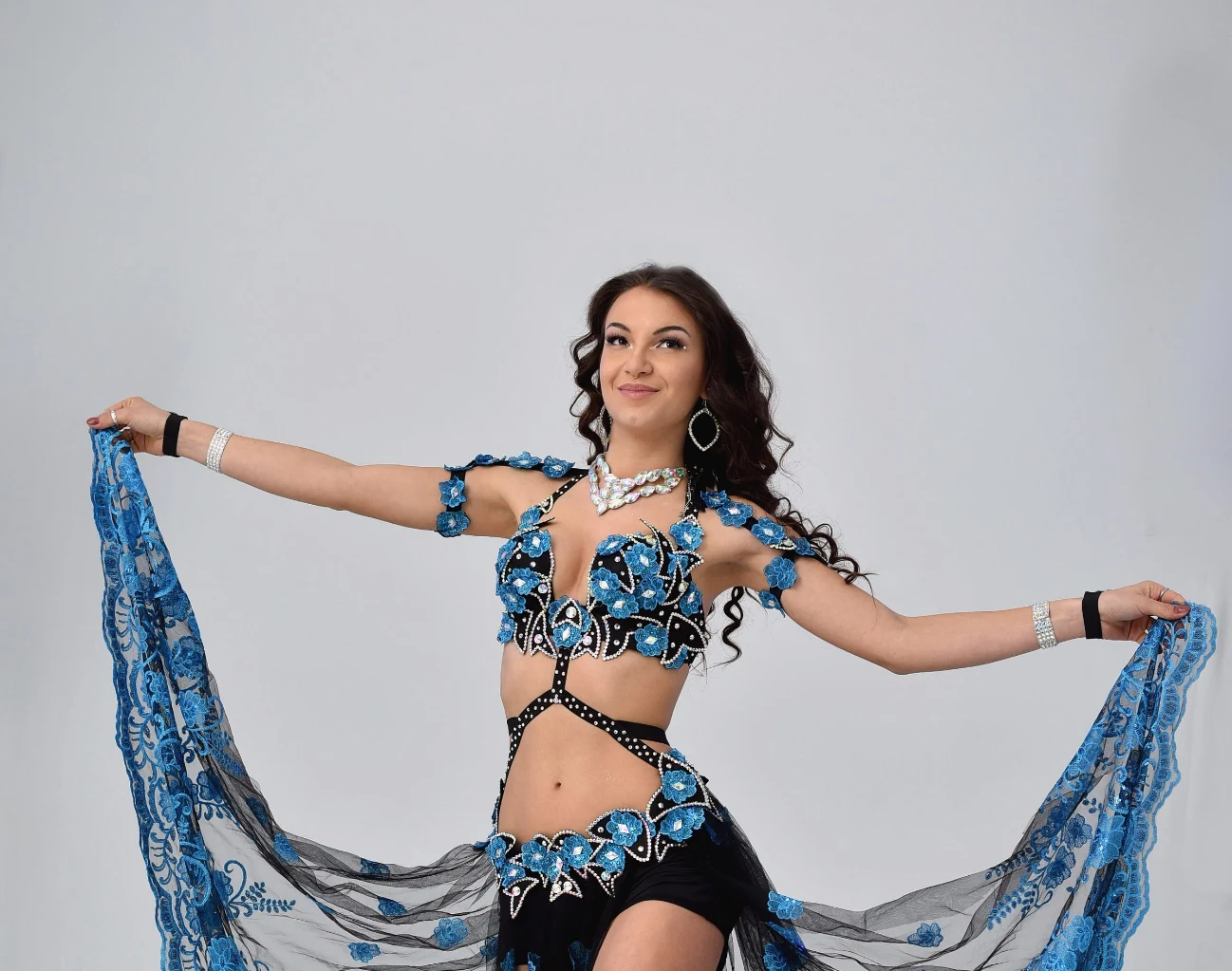
If a proposed silhouette requires the performer to modify an established movement, discuss the artistic consequence with the choreographer and designer. The maker assesses possible construction revisions; the choreographer approves any proposed change to the dance. Keep the original garment available for comparison when a replacement sample is prepared.
Performers need time after a sustained passage to describe how the costume feels during wear, especially where the garment touches the skin. Ask whether a particular edge rubs or a closure presses against the body. The maker can assess the reported area and propose a revision. Describe the observation in ordinary language instead of prescribing a fabric treatment.
Review Color During the Show Cues
The American Association of Community Theatre’s costume guidance recommends testing fabrics in different lighting conditions, since stage illumination affects their appearance. Arrange a review with the production’s actual lighting cues when the venue schedule permits. Identify any cue still awaiting programming, then reserve a later appointment for the costume review it requires.
The lighting designer should see the costume in the position planned for the dance, with the relevant scenery visible behind the performer. Ask the artistic director to assess the intended color relationship from an audience seat. Record the cue number beside the observation so the team can reproduce the same conditions during a revision.
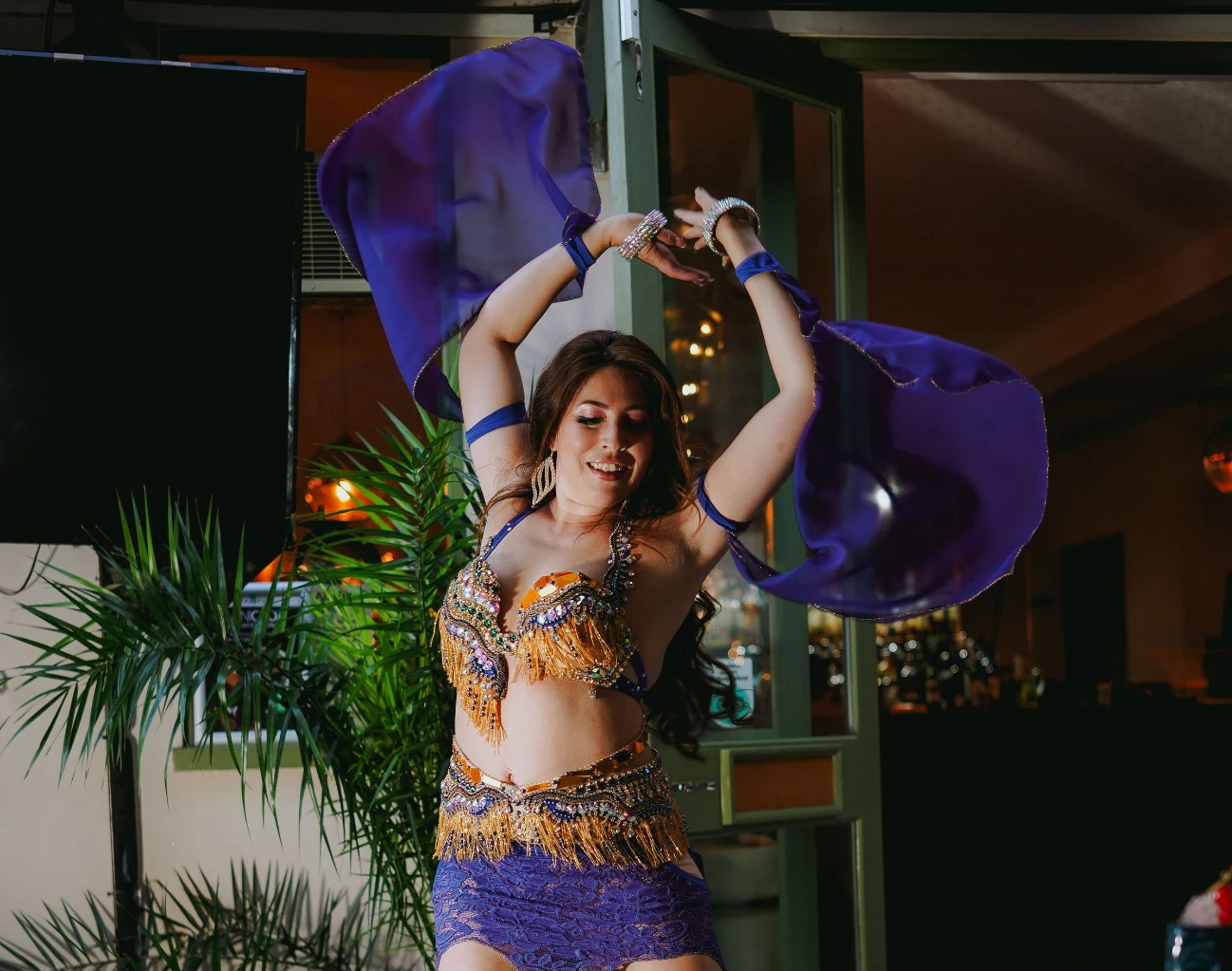
For a costume designer attending remotely, rehearsal photographs provide a record of the garment as seen by the particular camera used. Keep the camera settings consistent during comparisons and include the lighting cue in the file label. Ask an attending colleague to describe any difference between the photograph and the appearance seen from the assigned seat.
Check Decoration During Movement
Decorative surfaces deserve review during the complete phrase when their appearance changes as the dancer faces different audience sections. Run the planned sequence with the show cue and ask the director to watch the costume’s intended visual detail. Pause for discussion after the passage so the dancer can complete the movement as choreographed.
In a hypothetical corporate dance piece, a designer might propose a decorated sleeve for an overhead gesture followed by a turn. After watching the sleeve during the sequence, the director requests a sample with fewer decorative elements. The next review would compare the revised sleeve in the same choreography and lighting cue. After reviewing the actual sample on its assigned dancer, the director confirms the costume choice.
Mystic Family’s choreography service includes work with costumes during performance development, which makes a joint discussion useful when the design affects an established phrase. Send the choreographer the current costume reference and identify the passage needing review. Confirm who will attend the rehearsal so the person responsible for the alteration hears the agreed request.
Include Costume Changes in the Rehearsal
Include a planned costume change in the rehearsal schedule when the dance program requires the performer to return in a different outfit. Use the proposed changing location and the agreed assistance for the trial. Record the elapsed interval against the available musical passage. If the change exceeds the available interval, the show team needs to revise the transition or costume arrangement.
The dresser needs the actual garments for a useful trial, especially when the next costume must be worn over an existing layer. Ask the designer to assess how the pieces fit together. Rehearse the performer’s first movement after the change as part of the same review, with any reported discomfort referred to the maker.
Close the Review with the Assigned Designer
After rehearsal, the wardrobe team examines the garment for visible changes requiring the maker’s assessment ahead of another performance. Ask for care instructions appropriate to the finished construction. Confirm the next inspection with the person responsible for wardrobe, particularly when the same costume will be used for repeated shows.
Agreed alterations need a further trial on the assigned performer, with rehearsal time reserved after the maker completes the work. Mystic Family’s dance-performance booking checklist provides context for arranging rehearsal within the wider event plan. For dance costume design in Dubai, discuss the choreography and proposed rehearsal date with Mystic Family’s atelier so the garment review can be included in the production discussion.


