

Custom event choreography in Dubai develops through decisions that become visible when dancers try the material together: the way a gesture passes between performers. In an early rehearsal, a choreographer can test a short movement phrase against two different musical passages. When a second dancer repeats the phrase, the audience can follow their interaction.
For a corporate commission, the creative work needs an event-specific idea that survives those experiments and remains recognizable in the finished dance. The brief might call for a celebratory performance with an invitation to join the evening’s program. Within that purpose, Mystic Family’s choreography service develops movement in collaboration with the wider production.
Find a Physical Idea for the Brief
The choreographer needs to decide what the performers will actually do when the brief describes a corporate theme with a broad term such as “celebratory.” In a hypothetical staff celebration, an opening gesture might travel between dancers as they acknowledge one another. The choreographer tests the invitation’s timing with the cast, so the exchange reads as a deliberate interaction.
When a client chooses a movement reference, the useful detail lies in a performer’s use of pauses or the distance between partners. The description “expensive” offers little usable direction when the team needs a movement reference. If the appeal comes from sustained movement with generous pauses, the choreographer has something specific to develop using the commissioned cast.
Develop a Movement Phrase Worth Repeating
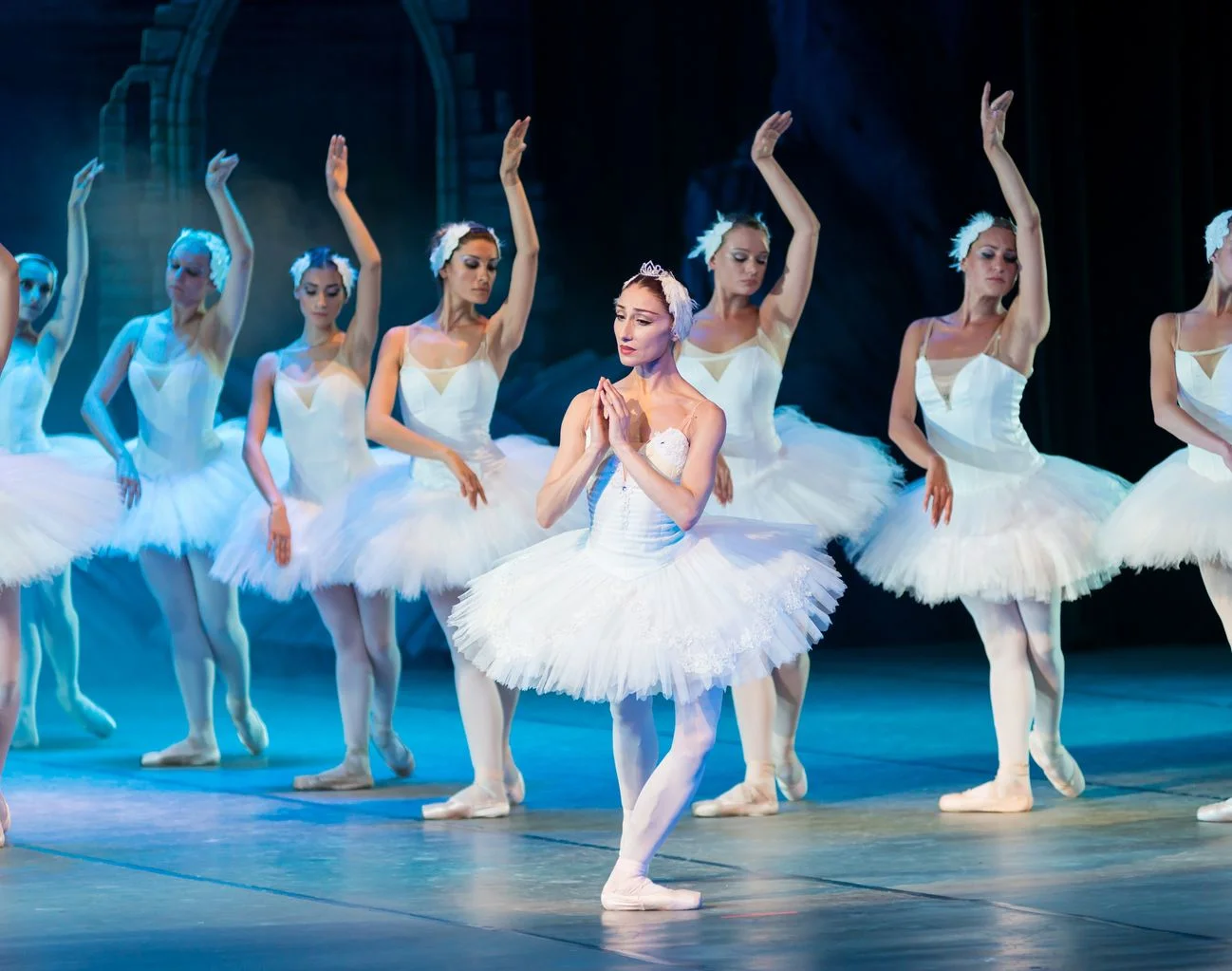
Professional choreography often develops through short phrases that dancers repeat with changes in timing or direction, until the material fits the proposed dance. In its dance education framework, One Dance UK describes motif development and refinement through selection. Written for ages 14–16, the educational resource supplies vocabulary for discussing composition.
Within a commissioned performance, a short arm movement might reappear as the cast changes its formation, which lets the audience recognize an idea as the dance progresses. The choreographer then decides how much variation the phrase needs. After a movement has traveled across the group, its return in unison creates a different visual relationship. If the return looks rushed, the choreographer lengthens the transition to coordinate the dancers’ arrival.
Let the Music Inform the Movement
Music selection becomes a choreographic decision when a dancer responds to a vocal pause differently from a percussion accent, even within the same track. To assess that interpretation, the client needs to hear the edit alongside the dance. In a sustained passage, slower travel across the stage offers the audience time to follow a changing formation.
Once the choreographer has developed phrases against a particular edit, a replacement track creates fresh work for the cast. Different accents change the timing practiced by the cast. For a shorter performance, the team needs an edited musical passage that supports the revised dance. The transition into that passage deserves rehearsal, with enough time to establish the new movement’s starting position.
Compose Relationships Between Dancers
To compose a group passage, the choreographer decides whether performers execute a phrase together or pass it through the cast. Unison requires the dancers to agree on the phrase’s timing. In a canon, they begin the same material at different moments. The pause between entrances determines how much overlap the audience sees between phrases.
For the hypothetical staff celebration, the invitation gesture could begin with two performers facing one another and continue through the group. Rehearsal tests whether the next pair starts while the previous exchange remains visible. If several interactions compete for attention, the choreographer can extend the pause between them.
Use Rehearsal to Select the Material
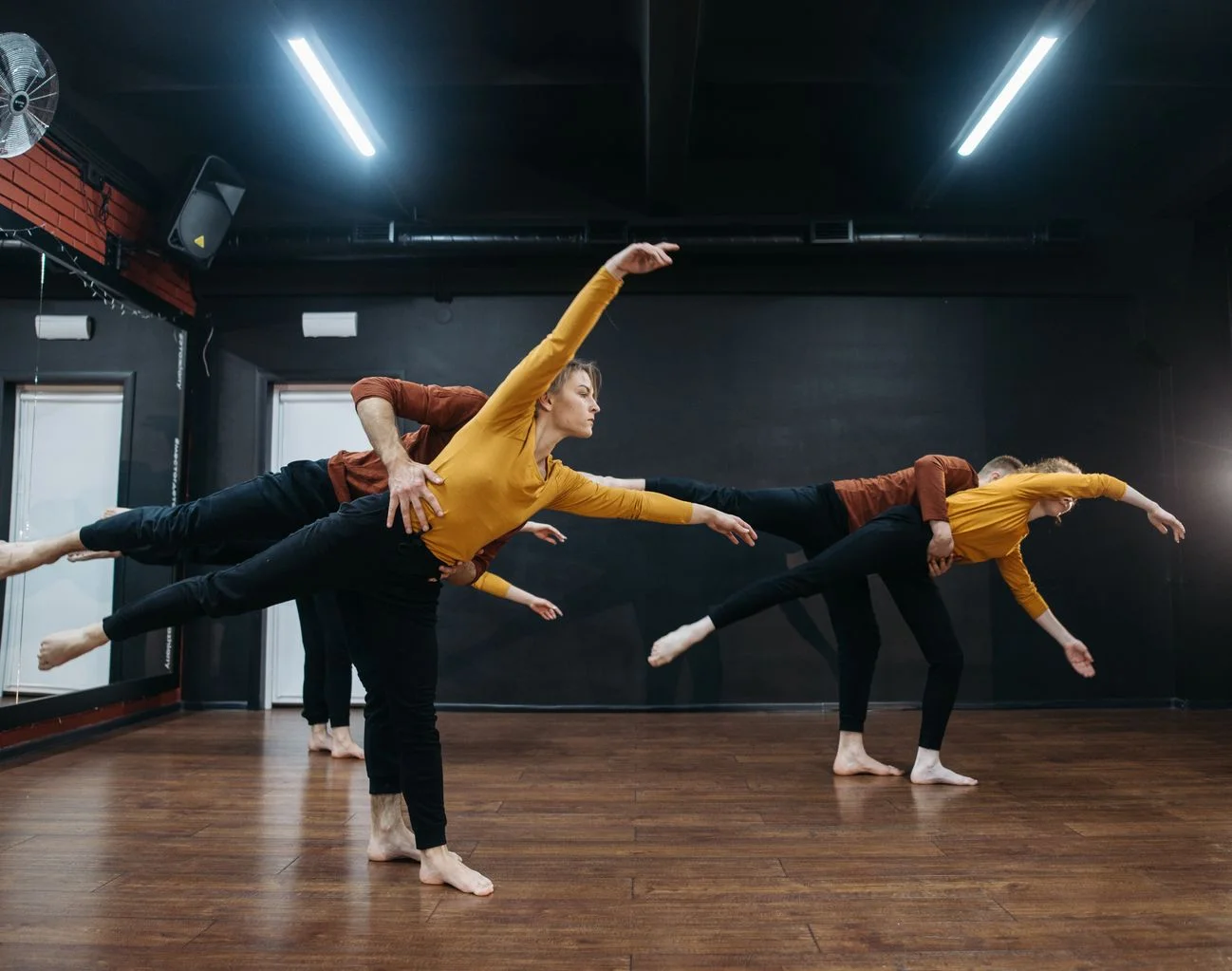
After experiments with individual phrases, the choreographer needs to watch a complete passage to assess the connection between the selected movements. Video recorded with the whole cast visible helps the team compare versions. If dancers enter after the phrase begins, the choreographer needs footage from the opening movement to judge the delay.
Feedback becomes useful when it identifies an observable moment and explains how a proposed revision would support the piece’s artistic purpose. If the invitation reads as a dismissal, the choreographer reviews the dancer’s gaze and the gesture’s direction. Once the revised movement is ready, the client can assess the greeting alongside its musical accompaniment.
Test the Costume in Motion
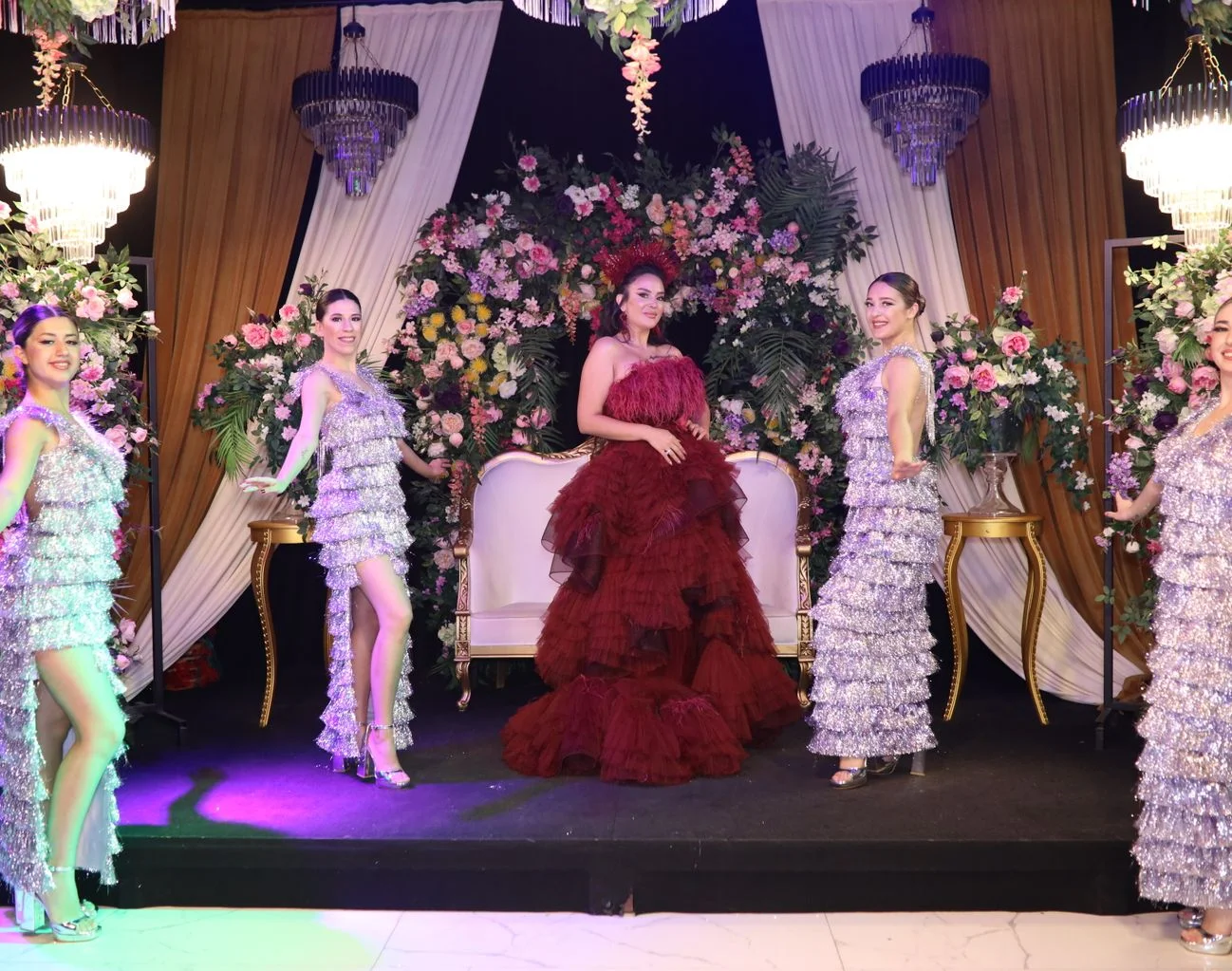
When fabric travels with the performer during a rotation, sleeves that look proportionate in a still photograph may obscure a hand gesture. To review that gesture, the performer needs to try the proposed garment in rehearsal. After watching the passage, the choreographer and designer can discuss the garment’s cut or a different arm position.
Mystic Family’s Costume Atelier develops performance clothing, which makes costume discussion relevant during the choreography’s development. When trying the proposed footwear, the performer checks its effect on the planned movement. For event planning, the UK Health and Safety Executive’s management guidance calls for competent supervision and coordination between work activities. The UK reference informs planning; qualified personnel assess the proposed performance against the Dubai venue’s applicable requirements.
Complete the Piece as a Performance
Once the selected phrases work together, the choreographer reviews the full dance to judge how much time the cast spends developing the initial idea. If an opening exchange occupies most available performance time, later passages may need more time to develop their own movement. The edit then becomes an artistic decision: which repetition earns its place, and which phrase needs another attempt? After a cut, the dancers rehearse the connection between the remaining passages.
Mystic Family’s dance booking checklist covers the arrangements that support a commissioned performance, with rehearsal access addressed alongside the booking discussion. For a custom corporate commission, discuss the artistic idea with Mystic Family and ask how the rehearsal plan will develop it with the proposed cast.


