Choosing the Right Dance Genre for Your Special Event
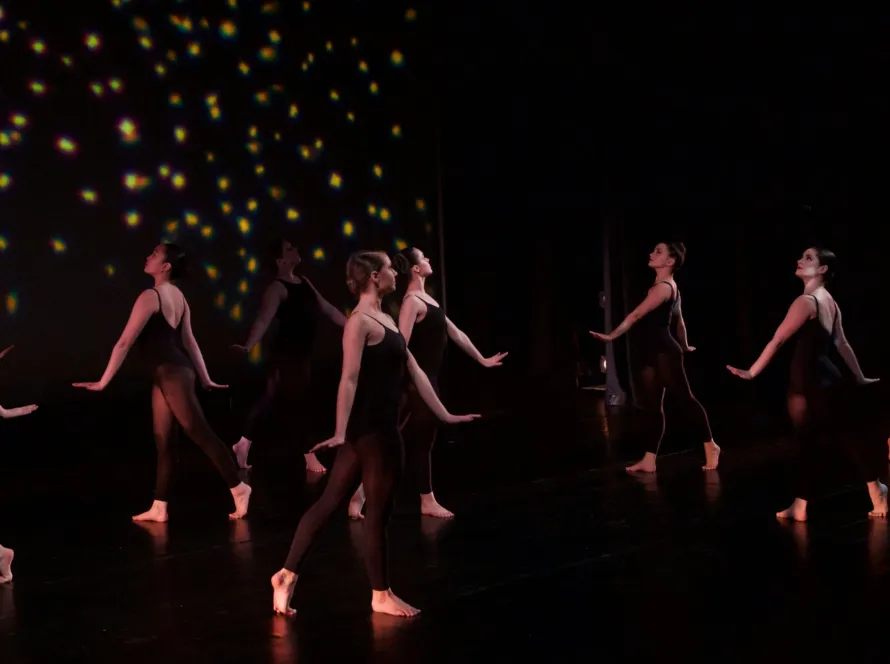
Movement unites people. Bodies synchronize to a shared beat. The audience watches the geometry of human forms. A reception dance performance requires heavy organization. Ten people need a unified direction. Fifteen people need a firm schedule. The stage waits for the performers. Music waits for the cue. You are responsible for the outcome. A coordinated effort yields a stunning visual. The work happens in the studio. The glory occurs on the stage. You must manage personalities. You must manage time.
Selection dictates the energy. A birthday dance surprise leans toward aggressive hip-hop. A waltz suits a formal gala. You study the guests. You evaluate your friends’ or colleagues’ physical abilities. A complicated routine frustrates beginners. Simple movements executed in unison look powerful. High energy wins over technical perfection. You want the crowd to cheer. You pick a genre that the dancers enjoy. Joy translates directly to the audience. A miserable performer destroys the illusion. Group dance choreography requires an honest assessment of skill. You build the routine around the weakest dancer. The group moves as one single entity. Complexity causes frustration.

Setting Clear Goals and Expectations for Group Dance
Ambition requires boundaries. Early decisions dictate the final result. Corporate event dances often aim to build team spirit. A wedding demands romance and raw joy. Early scheduling benefits everyone. Participants require clear instructions regarding time demands. Honesty prevents dropouts later in the process. You outline the financial costs for costumes and rehearsal space. Surprise expenses alienate your team. Commitment levels vary among individuals. You set a firm attendance rule. Two missed sessions mean removal from the formation. Discipline protects the group’s progress.
Selecting Music and Creating Your Dance Concept
Sound drives the motion. You pick tracks with a heavy beat. Dancers find the rhythm easier on a loud bass line. You build a story. The concept links the songs. A medley supports a sangeet choreography. It keeps the audience engaged. The music sets the baseline for the entire project. You cut the songs to fit a strict time limit. Four minutes pushes an amateur dancer’s stamina. Three minutes leave the crowd wanting more. You hire an audio editor to splice the tracks. Clean transitions sound professional. Awkward pauses ruin the momentum. The rhythm dictates the pace.
Finding the Right Choreographer for Your Group
Leadership shapes the result. You hire a choreographer for professional guidance. A skilled instructor simplifies complex sequences into manageable counts. They read the room. They modify a routine when they sense group frustration. You seek a teacher with immense patience. Expertise translates into confidence on the floor. The instructor must earn respect. They must also encourage the nervous participants. You review their previous work. You watch videos of their past routines. A great solo dancer often struggles to teach groups. You require a teacher.
Planning Your Rehearsal Schedule and Timeline
Calendars rule the preparation phase. You initiate the process six weeks ahead of the date. Short meetings yield better muscle memory than marathon weekend sessions. Booking of the studio space is essential. Planning a dance routine requires a rigid timeline. Deadlines push the team to memorize the counts. You schedule a dress rehearsal two weeks before the event. Such timing leaves room for costume alterations. You build buffer days into the calendar. Illness causes delays. Emergencies alter the plan. Buffer days save the project from collapse.
Managing Rehearsal Sessions
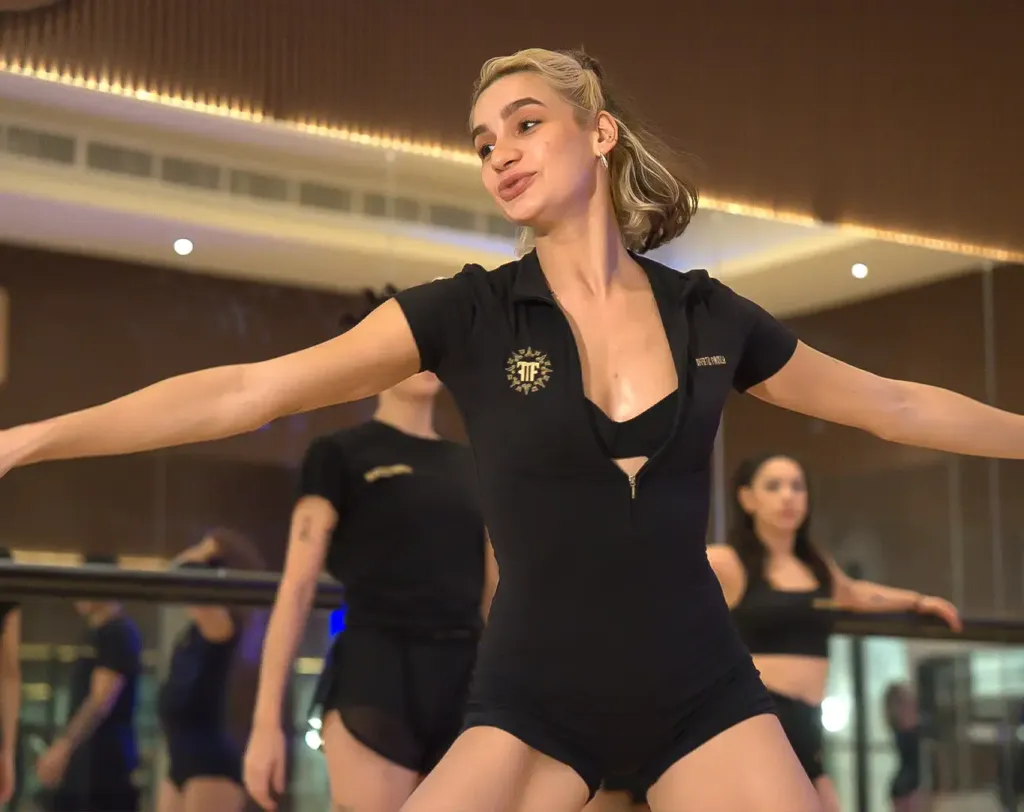
Discipline determines the outcome. You start on the hour. Latecomers disrupt the flow. The leader shows the movements. The group repeats the sequence. You record the video sessions. The dancers watch the playback to correct their form. Repetition cements the movement into the muscles. You mandate water breaks. Exhaustion leads to injuries. A pulled hamstring removes a dancer from the lineup. You keep the mood light. You celebrate minor victories. The team bonds through the shared physical exertion.
Costume Selection and Coordination Tips
Clothing affects mobility. You test the outfits in the studio. Tight fabrics restrict arms and legs. Shoes carry immense importance. Heels look beautiful on a static body. Flats allow for energetic jumps. Dance team coordination includes visual uniformity. Matching colors unify the dancers into a single visual entity. You consider the venue’s heat. Heavy velvet causes overheating. Breathable cotton keeps the performers cool. You order the garments a month in advance—shipping delays ruin plans.
Stage Setup and Space Requirements for Group Dance
Floor dimensions dictate the formations. You measure the performance of the dance setup area. A flash mob planning operation requires an open public space. A banquet hall limits movement to a designated square. You map the formations on paper. The dancers learn their exact coordinates. Spacing prevents collisions during the performance. You check the ceiling height. Low chandeliers prevent lifting maneuvers. You inspect the floor surface. Slippery marble requires rubber-soled shoes. Safety overrides aesthetics.
Technical Considerations for Dance Performance
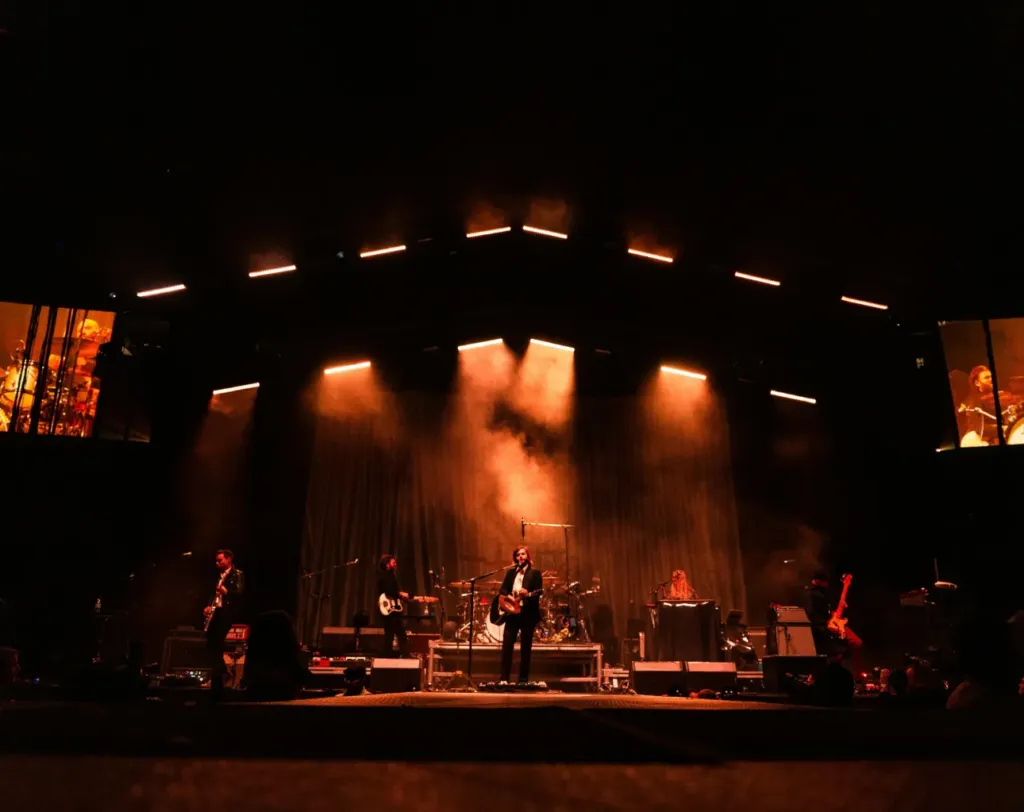
Audio gear supports the visual art. You test the speaker system. The bass must be loud enough for the back row of dancers to hear the tempo. Lighting creates a mood. A sudden blackout builds anticipation. The audio technician receives the tracks on two separate drives. Redundancy prevents disaster during electronic failure. You discuss the cues with the sound engineer. You provide a written sheet of instructions. They press play only when the dancers hit their starting marks.
Day of Event Dance Performance Checklist
Execution requires calm nerves. The performers gather hours before the door opens. They run the sequence one final time in the actual space. You distribute the costumes. You check the audio files. The choreographer gives a final pep talk. Confidence carries the dancers through the nerves. You assign a specific meeting point. You designate a holding area behind the stage. The music cues the entrance. The team hits the floor. Adrenaline fuels the physical exertion.
Common Mistakes in Group Dance Planning
Ambiguity breeds failure. You assign specific roles. Too many leaders confuse the team. Overcomplicated choreography kills the energy. Exhausted dancers look miserable on stage. You keep the routines manageable. You prioritize joy over technical perfection. A happy performer wins the crowd. You ignore the lighting at your own peril. Bad lighting hides the dancers in shadows. You respect the audience’s attention span. Long performances bored the guests. Brevity creates a more substantial impact.
How Mystic Family Helps You Create Memorable Group Dance Performances
Experts shoulder the burden. We design the concepts. We supply the instructors. Your anniversary dance performance receives full production support. We secure the rehearsal spaces. We manage the audio technicians. You gather the dancers. We guide them to the stage. The final product reflects hours of structured effort. We handle the logistical heavy lifting. You enjoy the applause. Special event performances require an experienced hand. We supply that hand. We build the show.