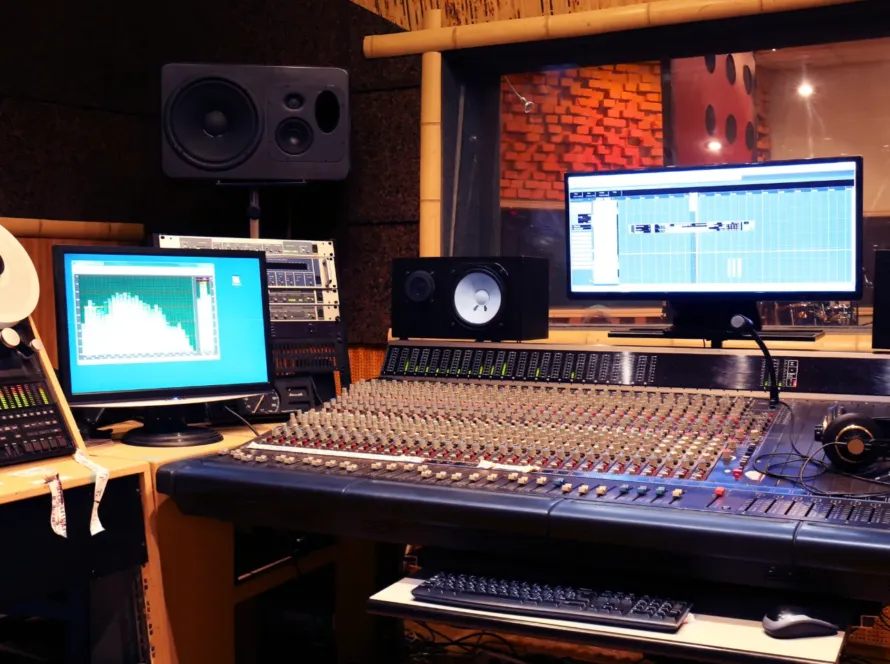
The red light flashes. Silence falls over the room. The microphone waits. A studio booking preparation requires respect for the clock. Time moves fast inside the booth. You pay for minutes and for the space. We understand the pressure of the microphone. Mystic Family and Studio 260 see artists cross the threshold daily. Some arrive ready. Others arrive lost. A strict pre-recording checklist separates the two groups. A studio checklist for artists provides clear boundaries. Preparation kills the fear. It gives you room to breathe. Music demands honesty. The microphone hears everything. You must give it your absolute best effort. The control room glass creates a barrier. You step behind the glass, and you enter a different world. It requires a specific mindset.
Why Preparation Matters Before a Recording Studio Session
Panic costs money. A solid studio session preparation prevents wasted hours. A disorganized artist stares at the lyrics page. The clock ticks. The engineer waits. Recording in studio environments relies heavily on prior work. You rehearse at home. You execute in the booth. Your song rehearsal before recording dictates the final track’s outcome. The studio acts as a magnifying glass. It magnifies hesitation. It highlights confidence. You walk in ready. You deliver a strong performance. You save your budget for mixing. You save your budget for mastering. A prepared mind allows the emotion to flow freely. The technical details fade away. The music takes the front seat. You become the instrument.
Know Your Purpose Before Entering the Studio
Purpose guides the process. Artists book time for different reasons. You might want to cut a quick demo. You might want to finish a polished radio single. An audio recording preparation strategy requires a clear end goal. Write the goal down. Share it with your team. A clear target speeds up the decision process. You cease guessing. You start working. The studio environment offers endless possibilities. You can add ten vocal layers. You can strip the song down to a single acoustic guitar. A firm goal keeps the project on the rails. You chase a specific sound. You achieve a particular result.
Practice and Rehearse Your Content or Song
Repetition builds muscle memory. You run the track twenty times in your bedroom. You memorize the breathing points. Vocal recording preparation demands total familiarity. You need the lyrics in your bones. The studio forces you to hear your flaws. You fix them at home. You practice your microphone technique tips in front of a mirror. You find the correct distance. You learn to project. A quiet breath needs a close stance. A loud belt requires a step back. You know the physical choreography of the performance. The song becomes second nature. You stop thinking about the words. You feel the emotion.
Take Care of Your Voice and Physical Condition
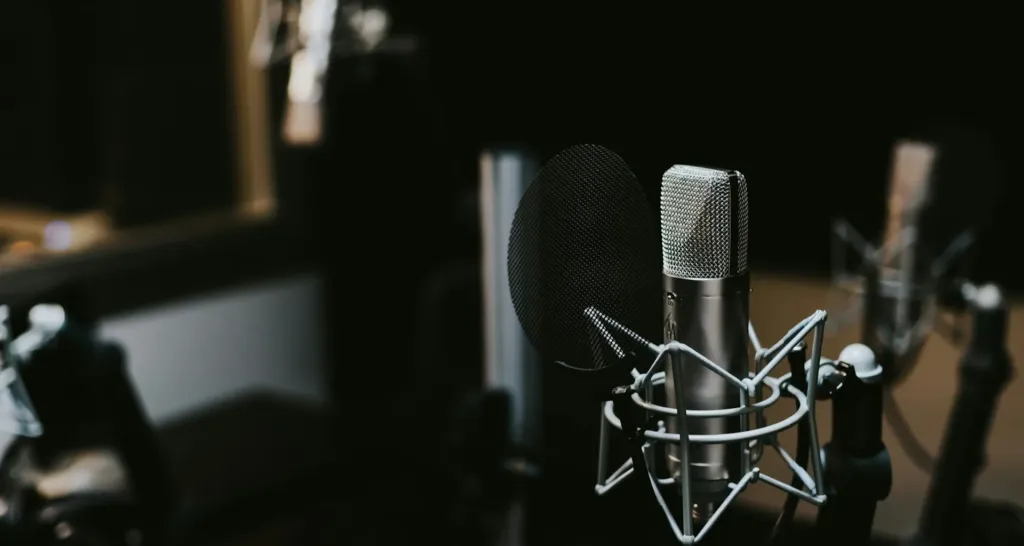
Sleep restores the vocal cords. Hydration before recording dictates the tone of your performance. Drink room-temperature water days in advance. Cold water shocks the throat, and hot tea soothes the muscles. Vocal health tips emphasize physical rest. You treat your body like a delicate instrument. Voice warm-up exercises loosen the chest. You sing scales in the car. You stretch your neck. Tension strangles the notes. Relaxation sets the melody free. You eat a light meal hours before the session. A heavy stomach restricts the diaphragm. You treat your body with immense respect. The microphone registers physical exhaustion. You bring your best physical self to the session.
Understanding the Studio Setup Before You Arrive
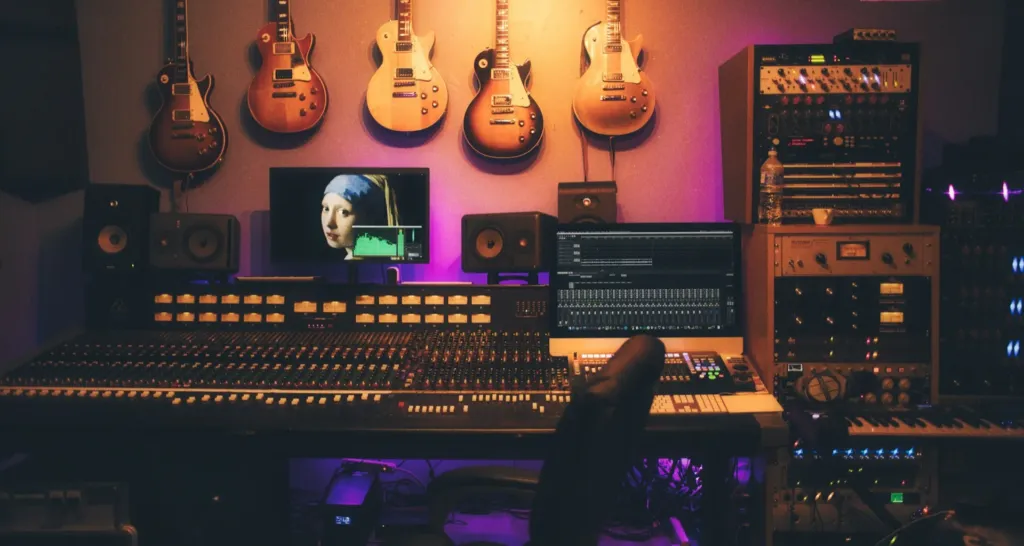
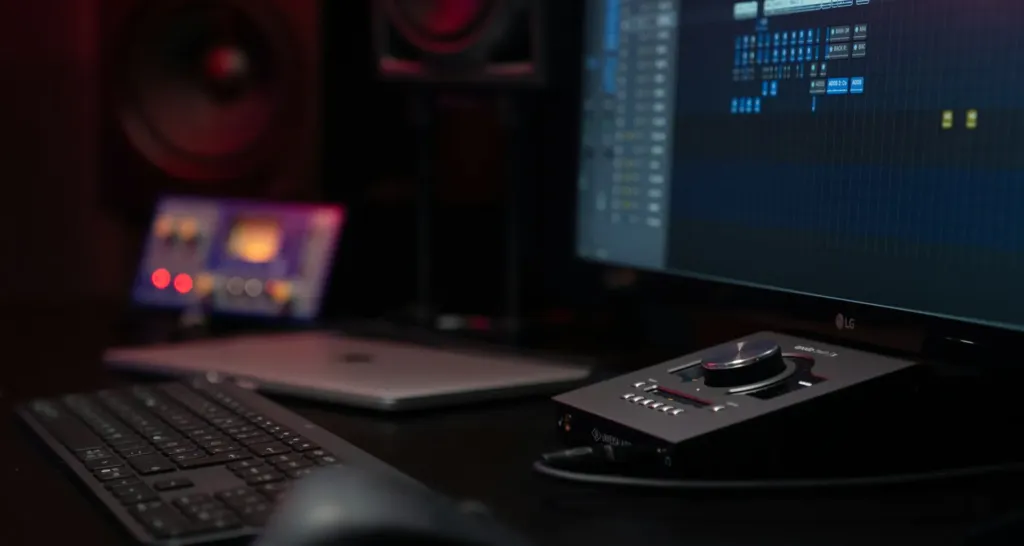
Machinery surrounds the artist. A basic understanding of the gear helps your confidence. The engineer handles the complex wiring. You learn the basics. The mixing console routes the sound. The monitor system sends the track to your headphones. Ask for a studio session guide. Ask questions about the headphone mix. You need a comfortable volume. A blaring headphone mix ruins the performance. You communicate your needs. You ask for more bass in the cans. You ask for less treble. A perfect headphone mix makes singing effortless. You hear your voice clearly. You hit the pitch perfectly.
Plan Your Recording Session Workflow
Structure keeps the work moving. Recording workflow requires a strict plan. You map the tracking order. You start with the rhythm section. You layer the lead vocals next. You finish with the backing harmonies. Studio session planning gives the day shape. You schedule short breaks. Fatigue destroys pitch. A five-minute rest saves hours of retakes. You protect your energy. You track the most complex parts early in the day. Your voice tires after four hours. You leave the effortless background vocals for the evening. A logical plan maximizes your studio time. You walk out with a finished song.
Dress Comfortably for Long Studio Sessions
Clothing affects the take. Tight shirts restrict lung capacity. Noisy fabrics bleed into the microphone. You wear soft cotton and comfortable shoes. What to bring to recording studio sessions includes a sweater. Control rooms run cold. The air conditioning protects the computers. You get layers to regulate your temperature. Physical comfort allows emotional delivery. You remove heavy jewelry. Bracelets clink against the microphone stand. The microphone picks up the metallic noise. Silence remains golden. You eliminate all extra sounds. You wear clothes meant for working.
Communicate Clearly with the Sound Engineer
Dialogue provides rapid solutions. The sound engineer builds your sonic foundation. You talk to them openly. You explain the desired sound. You give them reference tracks. They appreciate clear directions. A respectful relationship speeds up the execution of recording session tips. They hear things you miss. You trust their ears. You work together as a team. You ask for their honest opinion. They tell you when a take falls flat. They tell you when a take catches fire. You rely on their objective perspective. The engineer wants the song to succeed. You share a common objective. Recording studio tips for beginners emphasize clear requests.
Studio Etiquette Every Artist Should Follow
Respect defines the professional. You arrive fifteen minutes early. You treat the equipment with extreme care. You leave the food in the lounge. Drinks stay away from the mixing desk. Studio etiquette separates amateurs from experts. You listen when the producer speaks. You silence your phone. Distractions stall the recording process. You stay mentally active in the room. You respect the house rules. You clean up your trash, and you thank the assistant engineer. Professional behavior earns respect. The studio staff remembers a polite artist. They work harder for a respectful client.
Common Mistakes to Avoid Before Recording
Errors derail the project. Recording session mistakes include bringing a large group of friends. An entourage creates noise. They offer distracting opinions. You keep the room empty of spectators. Another mistake involves ignoring the studio readiness checklist. You double-check your lyrics sheets. You bring backup copies of the instrumental tracks. You prepare for the work. You respect the art. You deliver the performance. Mystic Family supports your vision. Studio 260 records the sound. You take the final step. You step up to the microphone. You sing your truth. You create a permanent record of your talent.