The final spoken line in a commercial needs enough space to be heard, even when the film ends with a strong musical phrase. For advertising music production in Dubai, that relationship between the script and the soundtrack belongs in the initial brief. Since the composer writes to the actual picture edit, the musical ending can coincide with its final scene. Sound design adds the audible details associated with an action or a product.
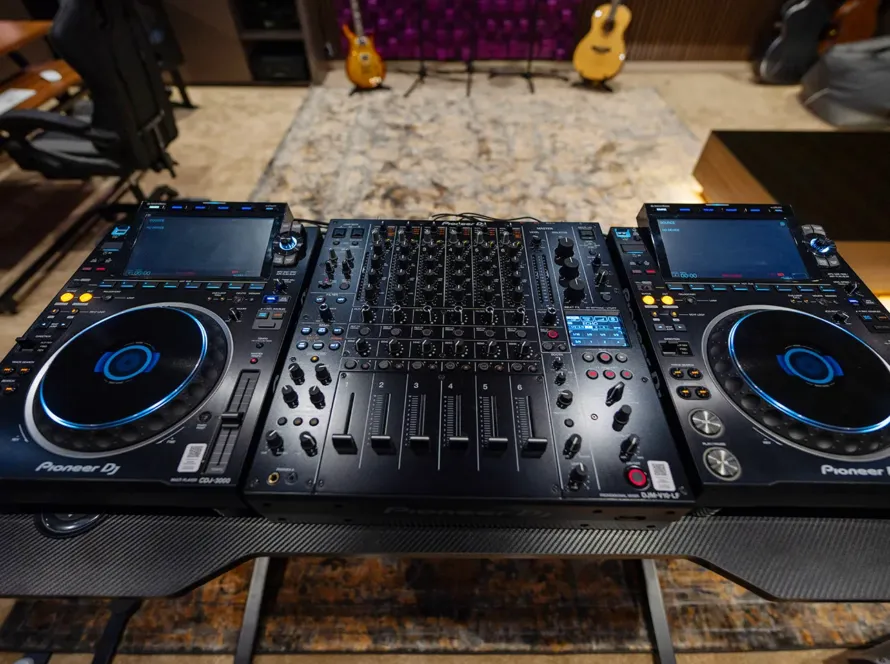
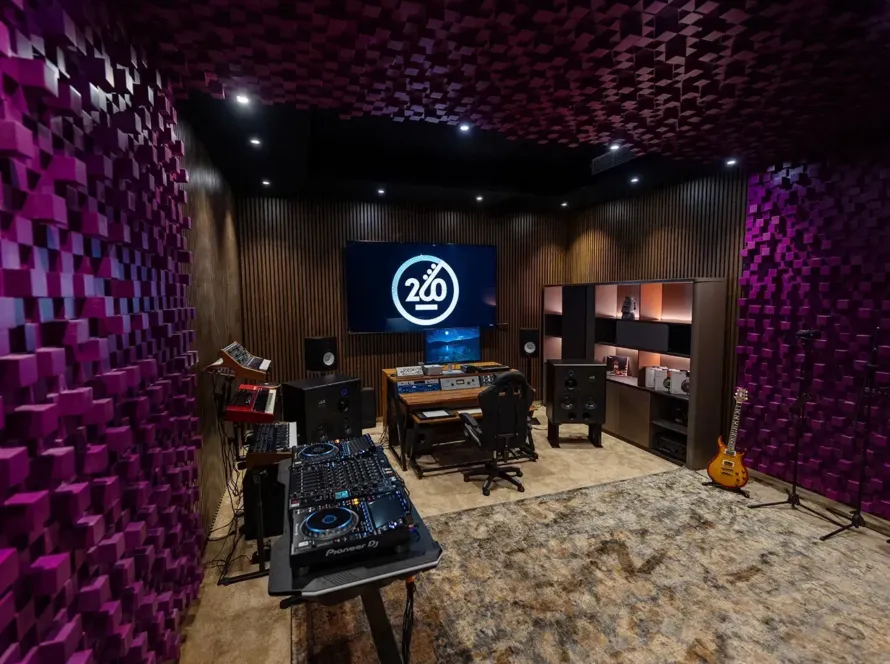
Within Mystic Family’s Dubai operation, Studio 260’s commercial audio facilities support music production and spoken recordings alongside audio editing for campaign material. When commissioning a soundtrack, discuss how the music will work across the planned versions. Fifteen seconds allows a different musical development from a full-length brand film, and both deserve an ending that feels complete.
Write the Music Brief Against the Picture
For a film with a spoken script, the composer needs the current picture edit and a voice recording that approximates the intended delivery. Tempo alone says little concerning the space available between phrases. If the speaker pauses for a product demonstration, the composer can develop the music during that passage and simplify the arrangement when speech resumes.
Reference tracks become useful when the client identifies a musical detail that explains the desired direction, such as a restrained drum part or a particular instrument. Describe what the reference demonstrates and discuss an original composition with the producer. The brief should specify the approved film duration. Add the shorter versions as separate deliverables so the composer plans their musical endings during the writing stage.
Decide Which Sounds Belong to the Brand
When a campaign needs a recurring audio identity, a short musical phrase offers material that the composer can develop across several related films. Its melody might appear in a full arrangement and return as a brief ending. For a spoken advertisement, the same phrase needs space around the brand name. Test that relationship against the recorded line at the proposed pace.
The client’s existing audio assets deserve a listening session alongside the new material, especially when an established sonic logo must remain recognizable across campaign versions. If the logo already has an approved recording, obtain the authorized file and confirm its permitted use. Changes to its timing or instrumentation require agreement with the brand team. Keep a reference copy available during review so feedback concerns the actual approved asset.
Design Effects Around Specific Actions
Sound effects describe what the audience sees or suggest a chosen atmosphere, so the brief should identify the visual moments that need additional audio. For a close shot featuring a mechanical latch, a recorded click communicates a different physical impression from an electronic tone. Review the effect against the image and the surrounding music.
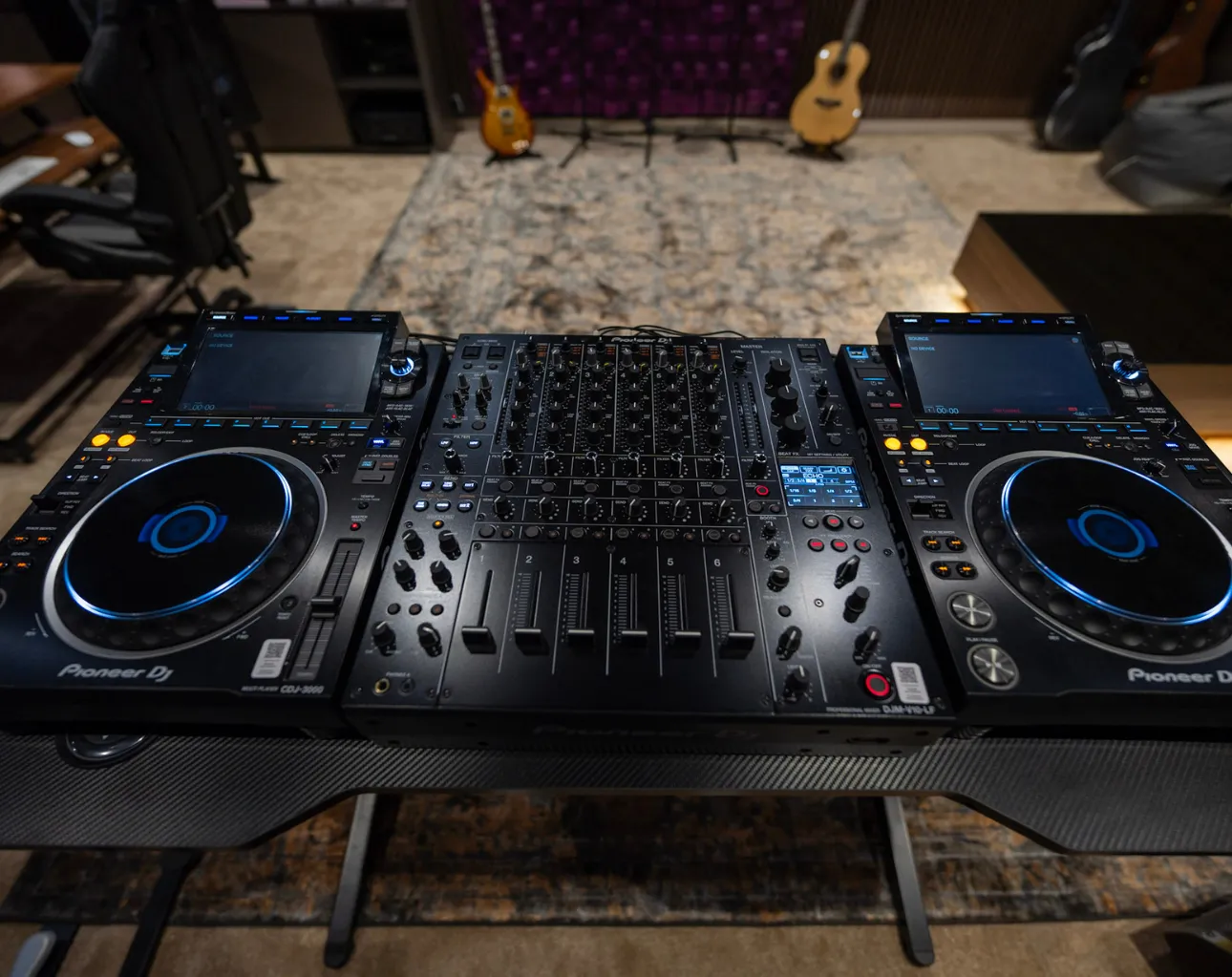
Foley involves recording sounds to accompany visible actions, and Studio 260’s audio production service lists Foley alongside commercial sound design for filmed material. When the production needs a sound recorded from the actual product, arrange access to a suitable sample. Record several usable performances with enough clean audio around the action for editing. Product sounds used to demonstrate performance deserve the client’s technical review for accuracy.
Leave Space for the Spoken Message

When a voiceover carries the advertisement’s principal message, music with a prominent melodic part can compete with the words throughout the spoken phrase. In the mix review, listen to the full commercial at a comfortable playback level. If the words require extra effort, try a simpler musical arrangement across the phrase. The engineer can revise the voice level after assessing the competing musical parts.
For Arabic and English versions, record each approved script against the picture edit so the production team can assess its natural speaking pace. Different phrasing may require revised musical timing. To plan the session, discuss the approved script with Mystic Family’s recording studio service. The selected voice artist needs the agreed pronunciation notes for the recording.
Agree on Music Rights and Campaign Use
For commissioned music, the agreement should describe the permitted campaign use for the composition and the finished recording, with the relevant rights confirmed by legal advisers. The media schedule records the permitted channels and countries. For a campaign extension, the contract’s renewal clause specifies how the parties will agree on an additional usage period. If the brief requests exclusivity, document its scope alongside the permitted edits.
Samples and prerecorded effects require their own permission checks, particularly when the producer incorporates licensed material within an otherwise original soundtrack. Ask the supplier to identify third-party audio and provide its license terms for review. TikTok’s commercial music guidance directs businesses that use other licensed sounds to consult their legal team regarding permission. For a campaign spanning multiple platforms, confirm rights for the intended destinations and uses.
Prepare Versions for the Actual Placements
Shorter campaign edits need their own musical decisions, especially when a product demonstration occupies almost all the available screen time in the shorter film. Around that edit, shorten the musical phrase or revise its ending to fit the final image. For a six-second version, test how much music fits around the essential spoken line. Check the finished sound against the matching video file.
The final delivery specification should come from the receiving broadcaster or platform, with the engineer checking the complete mix against that destination’s requirements. In EBU guidance for short commercials, program loudness and maximum short-term loudness receive separate limits. The document specifies a true-peak limit for the audio signal. When a broadcaster requests EBU compliance, use the current delivery specification to confirm the applicable measurements and tolerances.
Stems allow an editor to work with separately grouped audio elements, which is useful when a campaign later needs a different language version or a revised picture edit. Agree on the requested groups with the receiving editor. Exports with a common start point and matching duration return to their intended timeline positions. In the editor’s file list, version labels should identify the approved cut and its intended placement.
Plan the Campaign Session at Studio 260
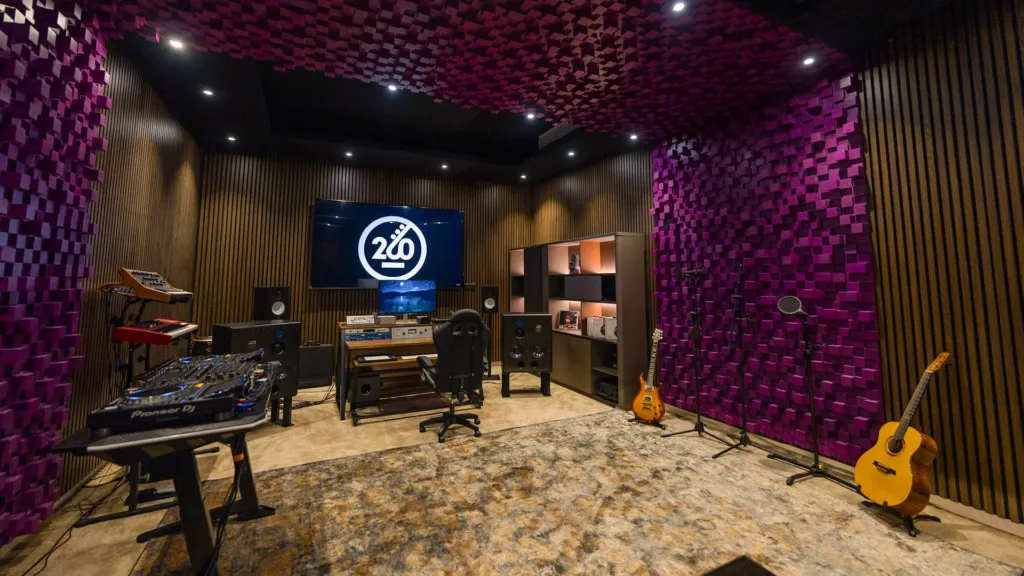
Agencies planning original music at Studio 260 can share the current film and its approved script with Mystic Family for a production discussion. Describe the required campaign versions alongside the proposed release date. The first musical proposal requires an agreed-upon review date, which the team can set after confirming the scope of the composition and recording arrangements.