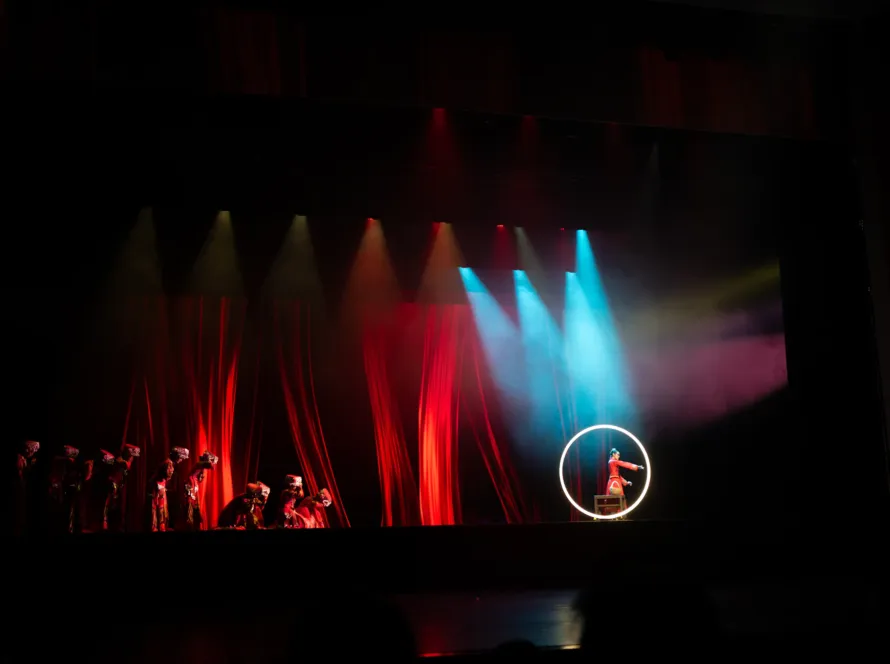
Theatrical performers in Dubai need a playable character and a reason to speak with guests when a corporate event calls for close conversation. Costume photographs help a producer discuss appearance; the casting decision needs evidence showing the actor’s response to another person. For a reception character, an interrupted exchange belongs in the audition alongside the prepared introduction. Guests arrive midway through a scene, and the actor has to include them while keeping the character recognizable.
Write a Character with Something to Do

Character development starts with a specific task inside the fiction, so the performer has a purpose throughout a brief encounter. In a fictional reception concept, an eccentric archivist asks visitors to help identify an object from a collection. The actor wants an answer and has a personal reason to value the object. Once a guest replies, the archivist has material to respond. Costume details then follow the character’s occupation and circumstances.
The Royal Shakespeare Company’s 2020 actor and director Q&A describes character preparation grounded in script facts, with assistant director Hal Chambers discussing objectives and rehearsal improvisation. For an original corporate character, the director needs an agreed fictional account to support comparable decisions. How much does the archivist know, and which mistaken belief sustains the comedy? The archivist confidently assigns a familiar object to an unusual historical period, and the actor has a particular misconception to defend. After a guest corrects the mistake, the actor changes how the archivist treats the object.
Cast for the Conversation You Plan
When auditioning a roaming character, the director needs to try a different guest response after hearing the prepared opening. What the actor does with an unexpected reply tells the director how closely the performer has listened. If the guest answers with a question, does the actor respond to its meaning or continue the rehearsed speech? Watch the response within the same scene. For a multilingual brief, audition the agreed-upon dialogue in the languages required by the event, with a qualified speaker reviewing the wording.
Silent characters need an equally specific acting task when music or guest conversations make spoken exchanges difficult to hear. The director can test the archivist’s mistaken identification through an object comparison that guests see from their actual viewing positions. Where posture and gesture carry the scene, a movement specialist helps the actor develop legible physical actions. Mystic Family’s choreography team develops movement for event performances; a character proposal can include directed physical rehearsal alongside the spoken material.
Let Guests Affect the Scene

Corporate character comedy works with an audience whose members may be speaking to colleagues when the performer begins an exchange. How much interruption does the proposed scene require of guests? For the fictional archivist, a brief object question permits a short reply; an extended interrogation asks for a different level of participation. Around a table, the actor needs to address guests at different angles; rehearse the scene in the proposed seating arrangement.
Guest responses deserve rehearsal as actual dialogue choices, with the performer’s next action connected to the reply the person has offered. If someone names the object correctly, the archivist might consult a deliberately muddled label and discover the error. Someone who prefers to watch still sees the actor reach a finish through the prop. Since the fictional mistake belongs to the character, the actor develops the comedy through a personal misunderstanding.
Keep Brand Facts Separate from Fiction
For a brand activation, the writer needs a written boundary between the invented story and the company information the actor will communicate. Product statements in the dialogue require the client’s approval. If a question concerns a subject outside the agreed material, the performer refers guests to the appointed company contact. Rehearsal then includes the referral in the character’s voice so the exchange has a credible finish.
Product demonstrations require a separate decision about responsibility when an actor handles a real item in a fictional scene. If a sample enters the fiction as a comic prop, the client needs to approve the actor’s handling of it. The approved scene identifies which actions the actor performs and when the company specialist conducts the demonstration. For a discussion of promotional responsibilities, Mystic Family’s event staffing article explains the personnel roles involved in product conversations.
Review Costumes in the Scene
Character costume reviews need the actor’s proposed actions, particularly when an exchange depends on retrieving an object from a pocket or reading a label. To assess the pocket placement, the designer watches the actor retrieve the item and return it after the scene. In a repeated reception encounter, a pocket used for the final action becomes part of the preparation for the next guest.
Mystic Family’s Costume Design Atelier produces performance outfits through its cutting and sewing workshops, ensuring that a character’s clothing adheres to the agreed-upon visual concept. Review the proposed garment at the acting rehearsal with the prop in use. Sleeves covering a label alter the information guests see. If the character handles a booklet, the actual pages need to turn in the costume’s gloves.
Place the Encounter within the Venue

When a character attracts a small audience, the performance position needs space for spectators alongside the venue’s pedestrian routes. The UK Health and Safety Executive’s crowd guidance advises keeping pedestrian routes clear of attractions and providing suitable viewing lines. For the Dubai event, the organizer and venue team assess the proposed activity against their applicable local conditions. HSE’s recommendations provide a UK planning reference for discussing proposed stopping places.
The director needs to rehearse the finish and the return to the starting situation when a character repeats the scene throughout a reception. Between encounters, the performer needs time to replace a used label or return a moved prop to its starting position. Breaks belong in the performance schedule, with the organizer confirming where the artist prepares between appearances. If a speech begins during an exchange, the agreed cue indicates how to conclude the scene.
Discuss a Character Proposal with Mystic Family
Mystic Family develops character concepts with its performers and costume team, so a corporate brief can begin with the guest encounter you want to commission. Share the proposed setting alongside the character’s part in the event. The creative discussion then has a concrete question to answer: what will the guest see the actor do, and how will a reply change the scene? Request a rehearsal review of that exchange when discussing your theatrical performance proposal.