The first costume sketch leaves decisions for the people who will cut the fabric and wear the finished garment during a live performance. How does the performer enter? Where does the costume change happen? The cutter needs the answers while the drawing remains open to revision.
For an event producer commissioning a costume atelier in Dubai, the useful conversation follows the garment through its fitting appointments and into the rehearsal. Mystic Family’s Costume Atelier at Mystic Mansion creates custom costumes through its cutting and sewing workshops. For the workshop team, a useful production plan connects the garment’s preparation with the cast’s rehearsal dates and planned costume changes.
Discuss the Sketch Alongside the Performance
The designer needs to know how the character behaves during the proposed act, particularly where the performer moves close to guests or another artist. In the Old Vic’s costume design workshop, designer Helen Coyston starts with the performance setting and asks where the audience will watch. Her guidance connects character research with the production’s location. For a Dubai event, share the proposed audience layout alongside the visual references.
Discuss the drawing with the choreographer, while keeping the costume’s proportions open to adjustment, especially when a sleeve or headpiece extends beyond the performer’s body. For a greeting act, the artist may need space to pass between guests. When the act includes a choreographed duet, explain the planned contact points and the intended movement range to the designer.
Pass the Drawing to the Cutting Team
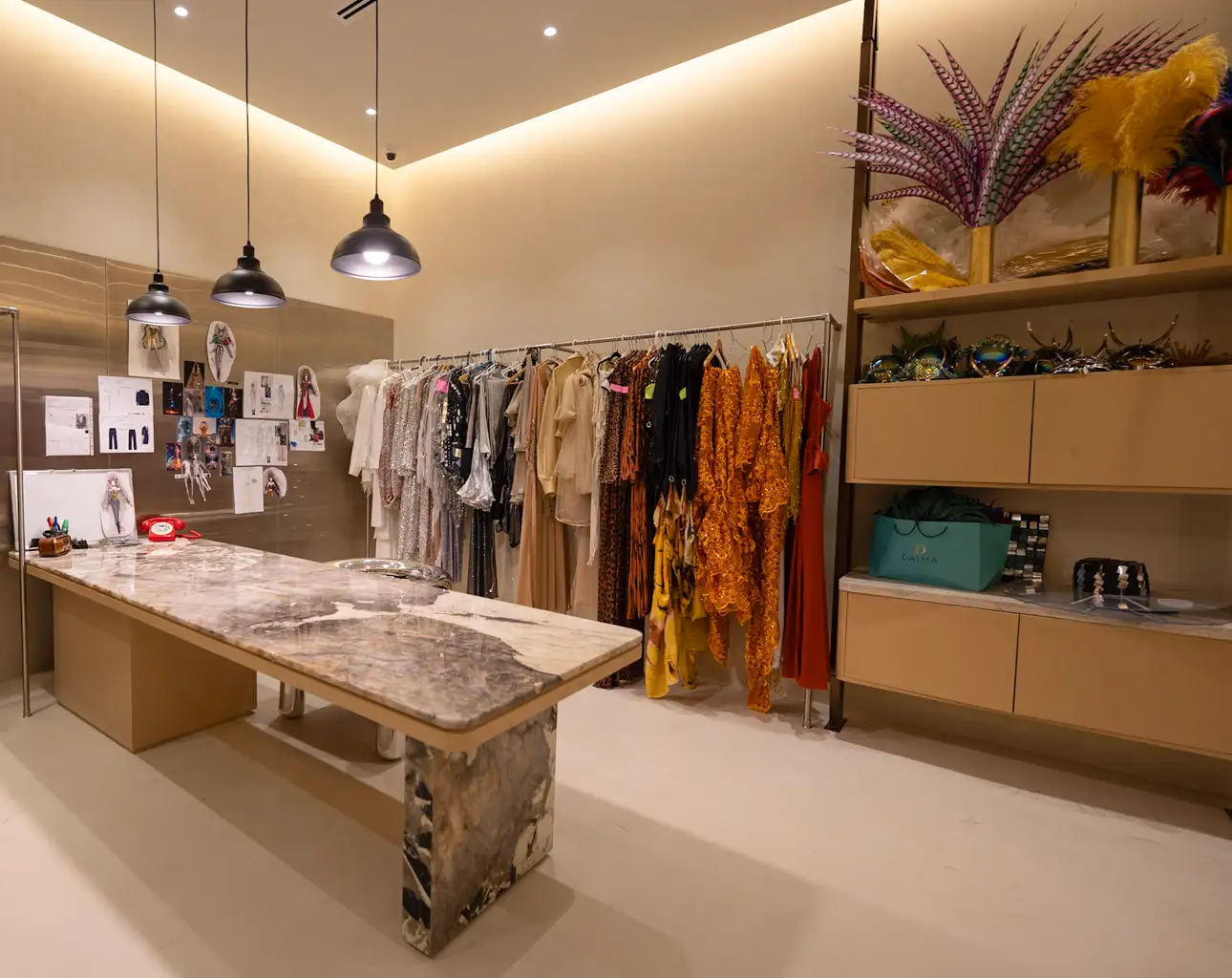
The cutter reads the proposed garment as separate pieces which must join around the performer’s body, so a sketch needs construction discussion alongside its appearance. Where a drawn fold continues around the back, the maker needs the designer’s intended treatment. Clarify the relationship between the outer costume and any supporting layers ahead of the pattern work.
The Royal Shakespeare Company’s costume workshop account describes a designer working with a costume supervisor throughout construction, with cut fabric passing to makers ahead of the initial fitting. After the appointment, the garment returns for alterations. For an event commission, discuss who receives the fitting notes and when the revised piece will return to the performer.
Use the Trial Garment to Resolve the Pattern
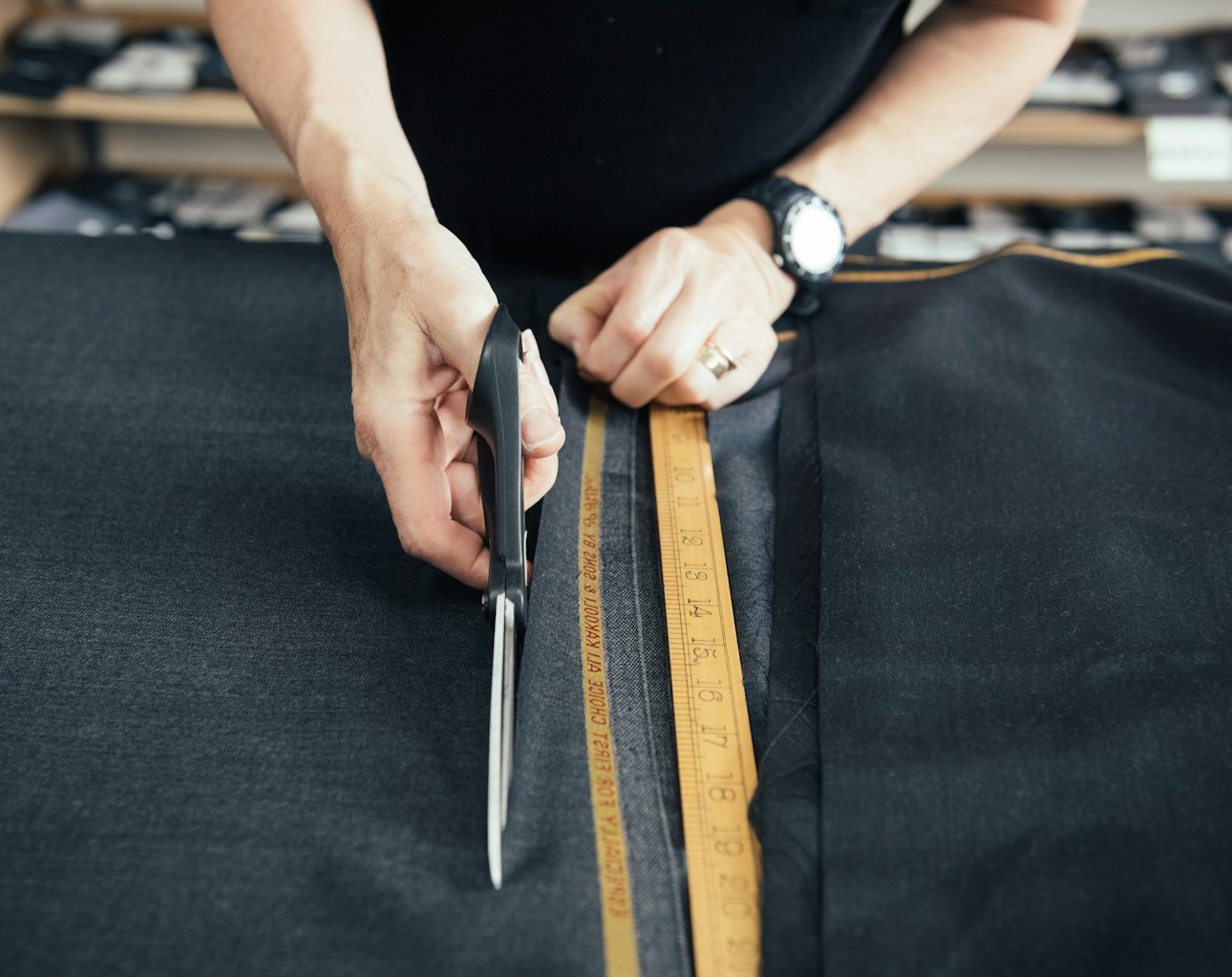
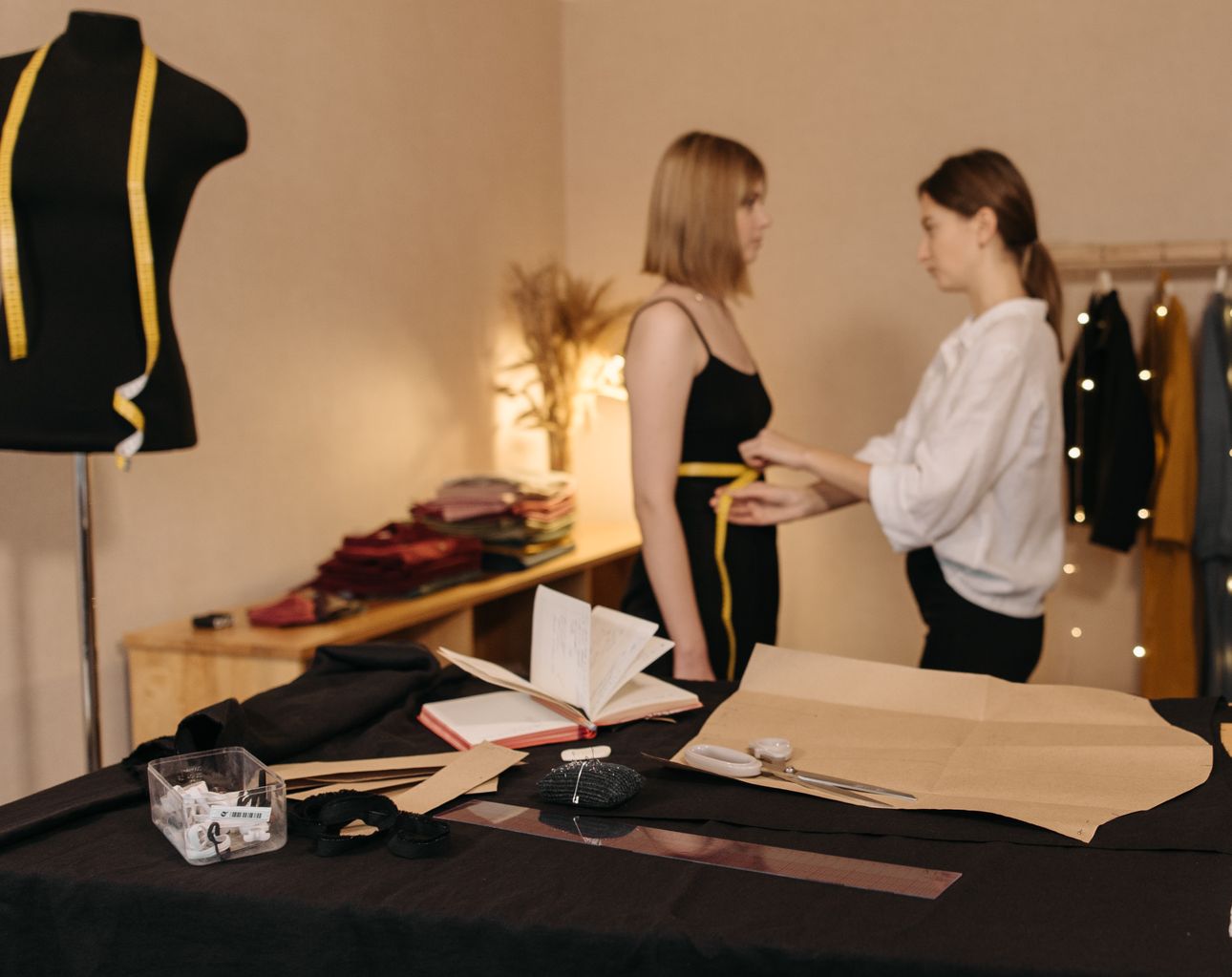
The maker needs a usable account of the fitting after the performer leaves, particularly when another colleague will sew the revised garment. Record the agreed adjustment against the correct piece, with the designer’s approval attached to any changed silhouette. Keep the fitted sample available until the team has checked the corresponding alteration in the final fabric.
If the design uses a trial garment, record the approved adjustments alongside the drawing so the final fabric version follows the agreed proportions. The RSC’s account of Olivia’s costumes for its 2017 production of Twelfth Night documents a toile, or trial garment, revised during fittings. For the overgown, the team used the fitted toile as a pattern for the final piece. Discuss the suitable fitting method with the commissioned atelier.
Keep the Fitted Version Available for Rehearsal
The maker needs to know which fitting changes have been accepted when the garment leaves the workshop for a rehearsal with the cast. Attach the agreed revision to the garment’s rehearsal record, alongside any work still awaiting completion. If decoration is temporarily attached for review, the responsible costume professional decides which movements are appropriate for the test.
Mystic Family’s choreographers collaborate with the costume department as they prepare performances, so a costume discussion should be included alongside the proposed dance material. For a group act, the director needs to see how the garments interact when dancers change formation. Review the space between neighboring performers during the crossing and their return to the next positions.
Finish Closures Against the Agreed Change
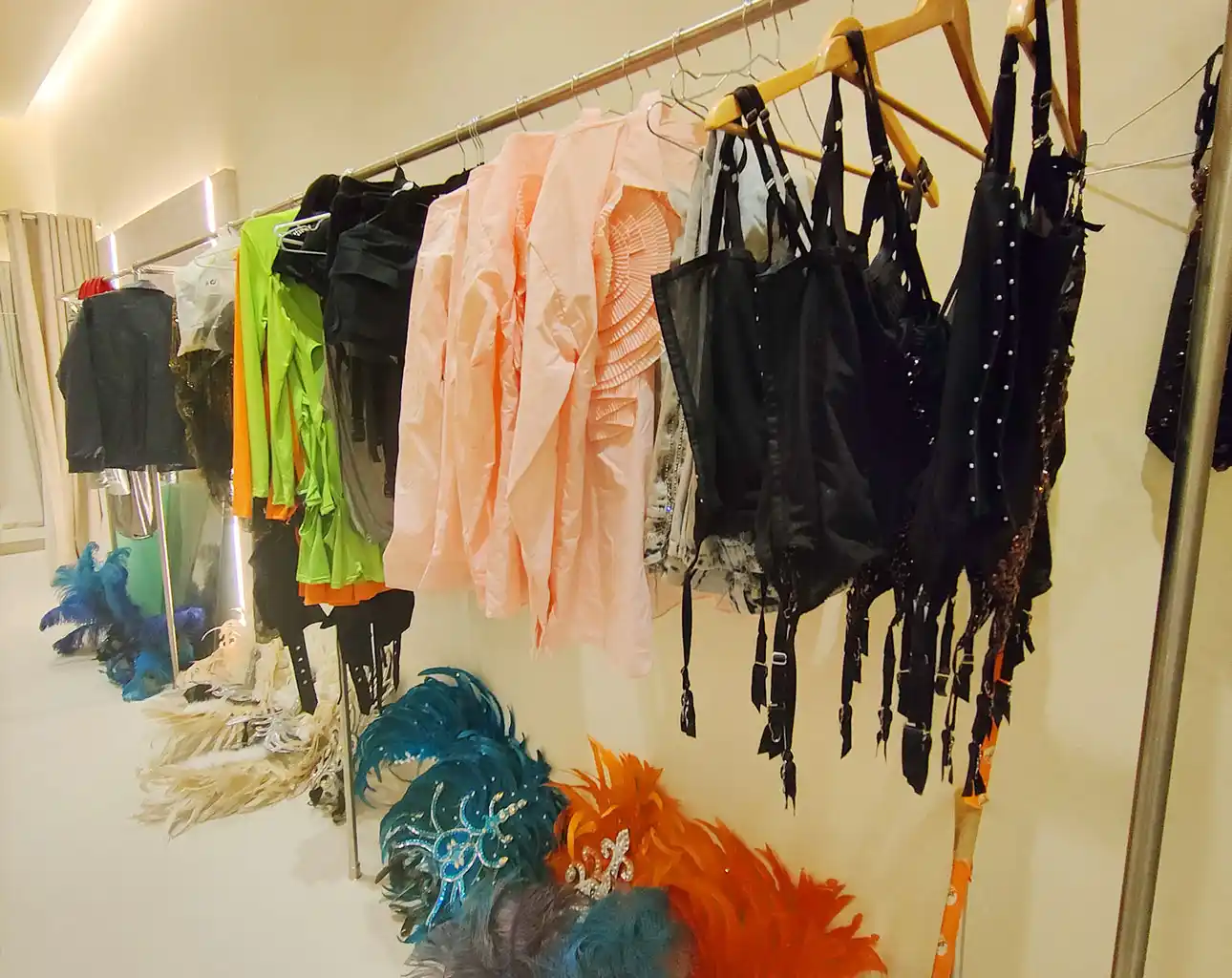
The dresser needs to examine the proposed closure with the maker while its placement remains open to revision within the approved design. Identify which hand reaches the fastening and where the fabric gathers during removal. For a costume worn over another garment, test the closure against the complete outfit intended for the change.
The musical interval supplies the time available for the change, so the trial needs to include the performer’s return to the entrance position. If a closure requires revision, describe the difficulty to the maker after the timed run. Repeat the complete change once the altered garment returns, with the same dresser assigned to the rehearsal.
Carry Rehearsal Corrections Back to the Atelier
The most useful alteration note identifies the affected garment and the moment in the choreography when the performer needs a different result. Explain the movement to the maker, with a short rehearsal clip, once recording permission is granted. If the hem catches during a turn, include the intended footwear in the review.
After the costume is returned, the performer needs time to test the revised passage with the choreographer and report any remaining difficulties to the maker. Check the garment during the entrance as part of the same run. The director then confirms the performance version, with the corresponding costume information available to the person preparing the next rehearsal.
Prepare the Garment for Its First Venue Call
For the wardrobe team receiving the finished pieces, the handover needs to address how the costumes will be prepared between performances during the event program. Ask the maker for care instructions appropriate to the finished garment. For a piece with removable decoration, agree on who handles its removal and how it returns to the approved position.
Venue access needs its own discussion with the producer so the wardrobe team knows the changing location and when the dress rehearsal begins. Check the costume’s first entrance along the actual route. If a doorway or backstage turn affects the movement, resolve the route with the production team while the cast is present.
Discuss the Production with Mystic Family
Contact Mystic Family with the proposed act and performance date when discussing the costume production schedule for your next live event in Dubai. Share the rehearsal access available to the cast, then agree on the fitting appointments within the proposal. The costume team needs the intended stage movements and the time allowed for changes so the garment’s preparation belongs to the actual show.