Playback often changes a singer’s opinion of a rehearsal: the phrase felt comfortable during the take, yet its final syllable arrives late against the accompaniment. Once the artist hears the passage, the next rehearsal has a specific task. Artist development in Dubai gains substance through decisions at this scale, tied to music the performer wants to finish and a performance they want to deliver.
Independent artists need creative support suited to their current work, whether they are preparing an original song or returning to live performance after studio sessions. Mystic Family develops entertainment through in-house rehearsal and artistic direction, supported by its music production facilities. For an artist seeking help, a useful initial conversation concerns the unfinished work and the kind of professional input it requires.
Choose a Musical Outcome You Can Review
Start with a piece you are already developing and identify the next version you want to hear, along with the date you expect to review it. Perhaps the chorus needs a more comfortable vocal register; perhaps the live arrangement needs space for an instrumental passage. Include those observations in the working brief alongside a current recording. Specific musical decisions allow an instructor or producer to estimate the work involved.
Berklee’s self-assessment lesson recommends listening to recordings of your own playing and identifying areas for improvement as part of a self-review routine. As you review the recording, attach your notes to timecodes so the next session begins at the relevant passage. Compare performances recorded in similar conditions and use the same piece when you want to assess a particular correction.
Agree on the Support Your Project Requires
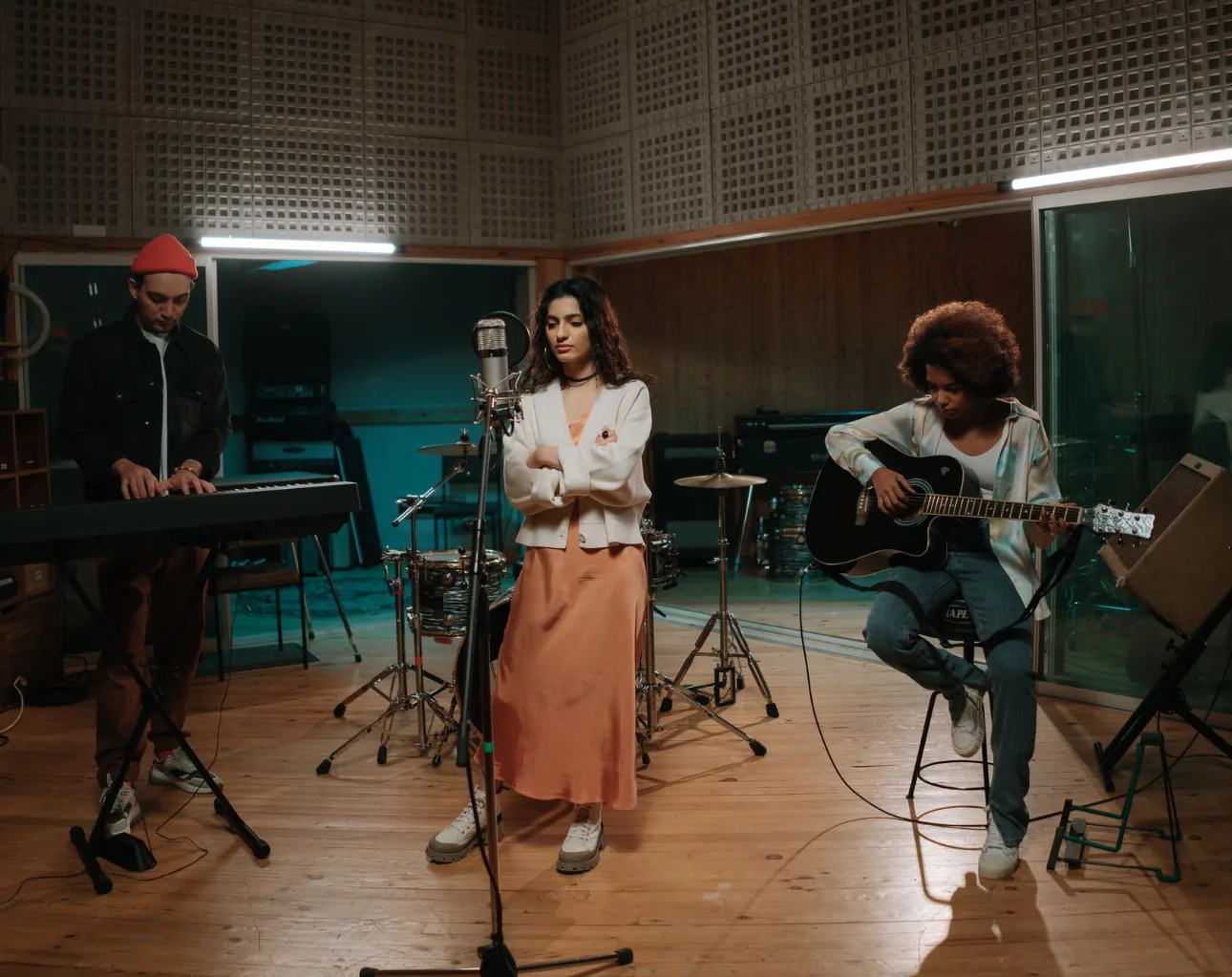
Creative direction begins with the artist’s musical preferences and the intended performance format, since a producer needs enough context to make useful arrangement suggestions. Two reference tracks may communicate the vocal tone you prefer, alongside a short explanation of the aspects you want to study. Preserve the artist’s own phrasing during the discussion. References help explain a request; the new work retains its own musical decisions.
Mystic Family’s creative production process includes choreography and music preparation within an in-house environment, with costume work connected to the developing performance. Artists approaching the team can discuss support for their current material and request a proposal based on the agreed scope. Confirm who will direct the session and which outputs the booking includes. Tuition frequency and individual development plans require agreement with the team.
Develop a Recording You Can Perform
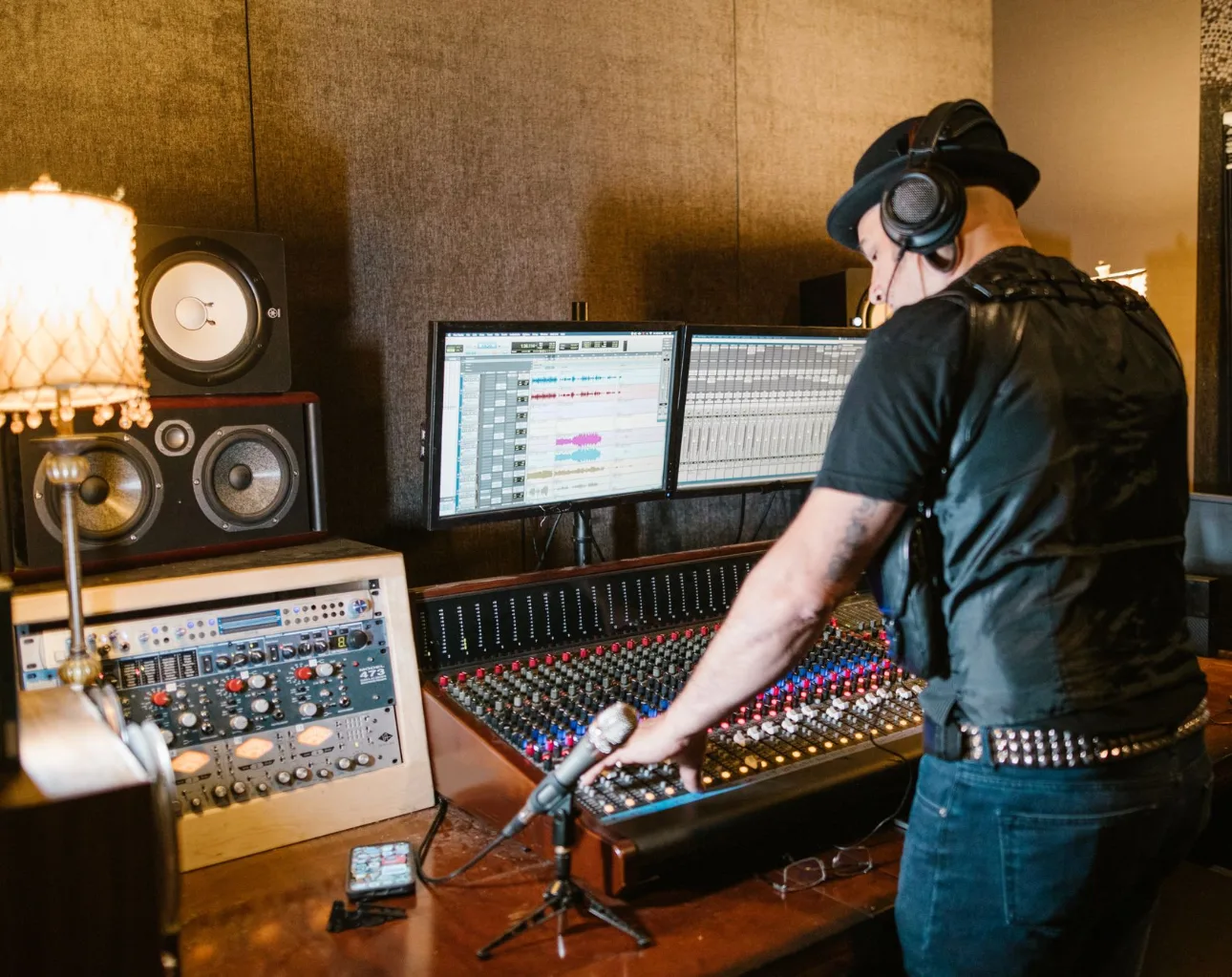
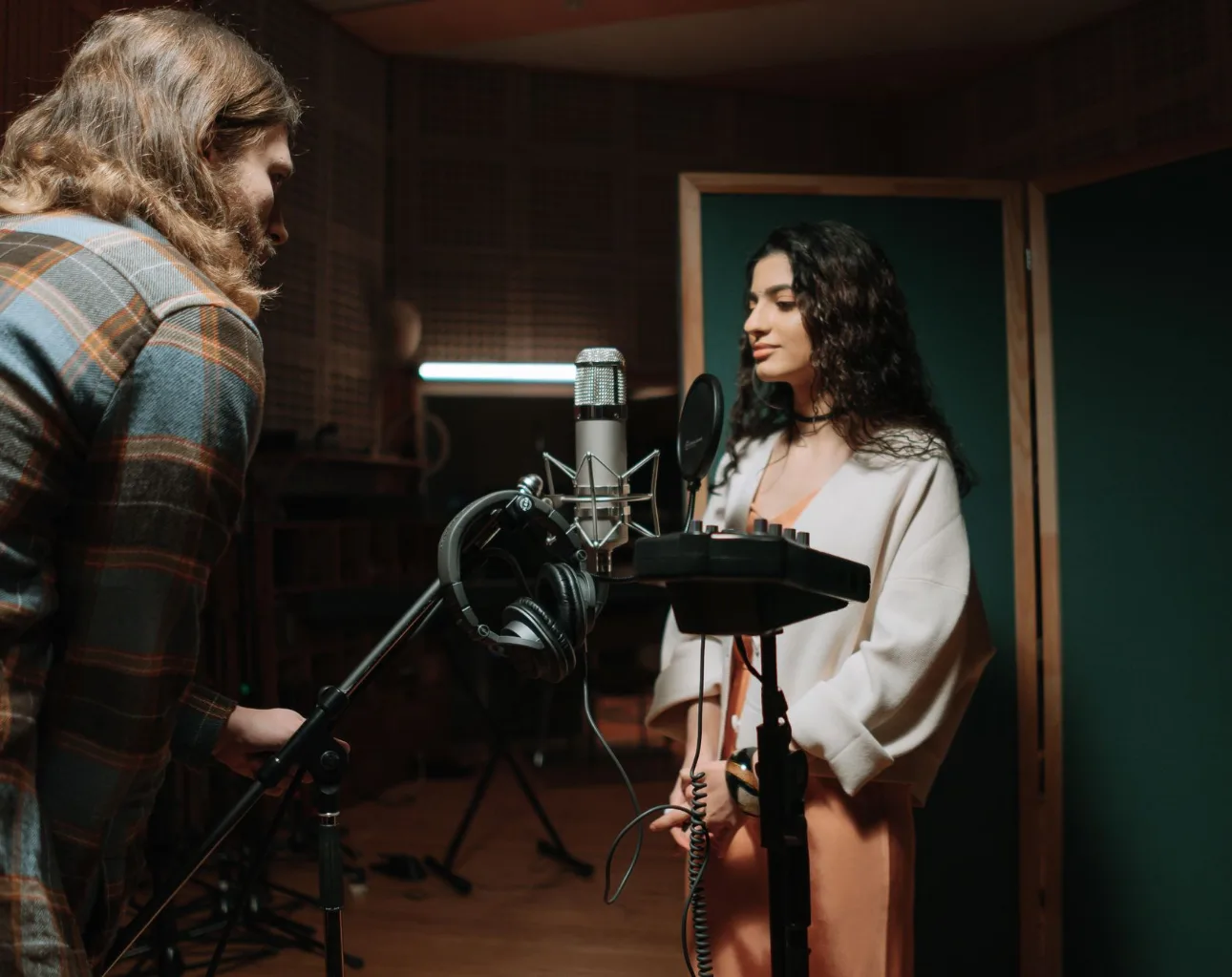
Studio work becomes easier to plan when the artist arrives with a usable song arrangement and identifies the passages requiring decisions during the booked session. If the melody remains provisional, reserve time to test it against the accompaniment. Repeated takes then examine a musical choice. Once the arrangement is ready, the recording session has a different purpose: producing the performance selected for the project.
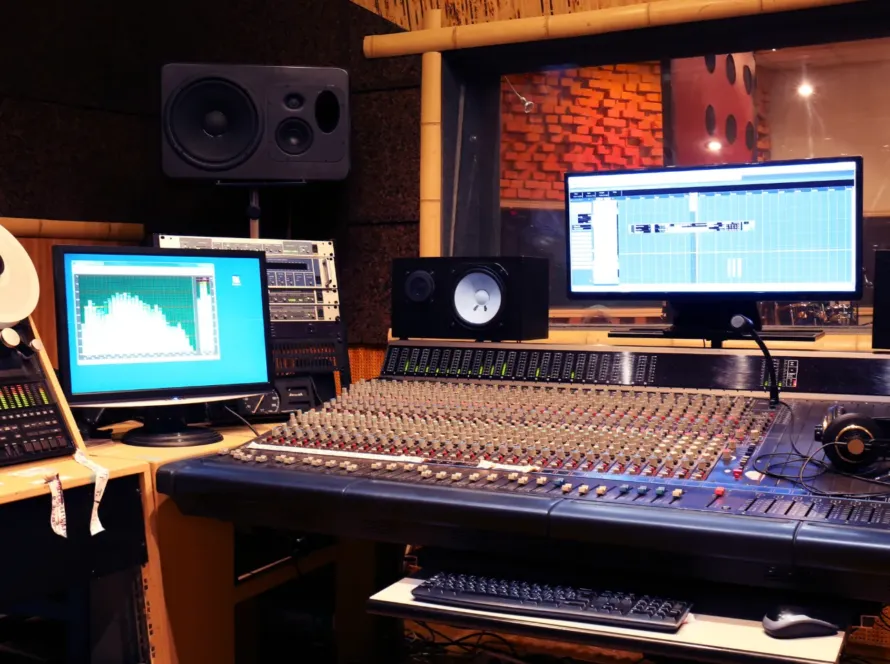
Studio 260’s audio production work includes recording and music production for artists, supported by the in-house creative facilities Mystic Family operates at Domansion in Dubai. For a development session, discuss whether the required output is a review recording or material intended for release. Agree on the editing included in the booking. File delivery deserves the same discussion, especially when another producer will continue work on the session.
Musicians learning production software can study the relationship between an arrangement and its live presentation through Ableton’s beginner track-production series, which includes an episode on export and performance preparation. The educational resource offers a useful reference for artists discussing digital playback with a producer. Rehearse with the actual playback version intended for the show. Vocal space in the accompaniment needs assessment during a complete run, with the artist performing the planned part.
Practice the Performance Between Sessions
Professional guidance has more substance when an artist returns with rehearsed material and a record of the passages they worked on during the interval. Choose a manageable passage for the first attempt, then repeat it at a pace suited to the correction. Afterward, perform the surrounding section to hear how the revised phrase fits. Keep the original recording for comparison at the next review.
Mystic Academy’s performance training welcomes inquiries from people developing their artistic abilities at different stages in their artistic development, with instructors available to review applicants’ requests. The published page invites applicants to describe their aims for an instructor review. For an independent artist, the inquiry should identify the current project and the relevant learning need. Available tuition and its timing are confirmed through the Academy’s response.
Rehearse the Version Intended for the Audience
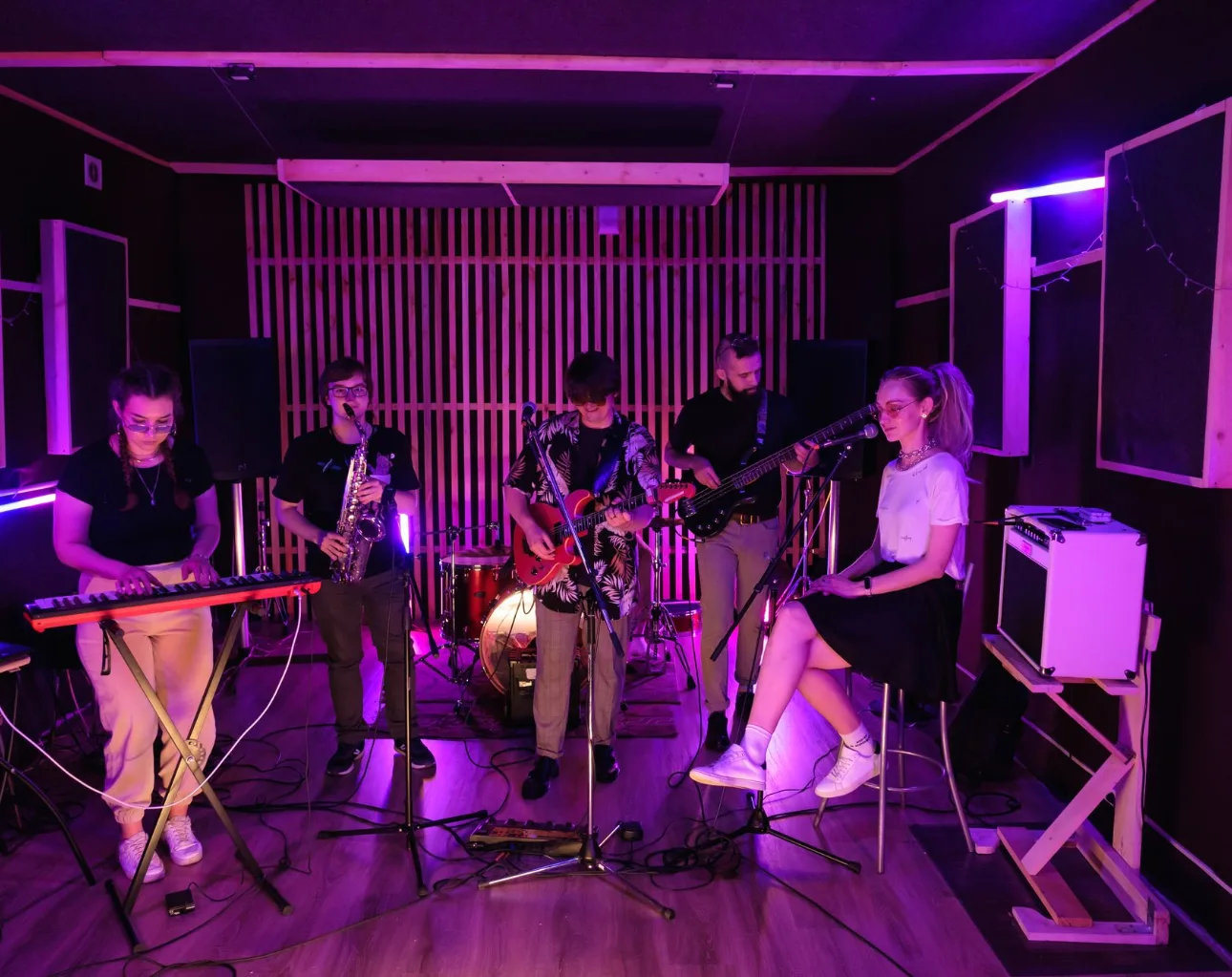
Once a recording reaches the desired musical form, perform the piece continuously so a director can assess how the artist handles the transitions between sections. In a full run, an entrance may need extra musical preparation or a spoken introduction may exceed its allotted time. Test the revised passage within the complete performance. Feedback becomes more useful when it refers to a moment the artist can hear or watch again.
Movement should be assessed alongside the vocal delivery when a performance includes choreography, since the artist needs to rehearse the music with the planned physical demands. Work with the director to agree on achievable movement for the piece. Rehearsal clothing can then progress to the intended costume during a fitting or dress session. Any garment adjustment belongs in the next rehearsal test, alongside the musical passages affected by the change.
Use the Review to Plan the Next Session
After the rehearsal, compare the latest recording with the agreed musical outcome and decide which correction warrants another session with professional support. Keep the comments specific to the work: a late entrance requires a different exercise from an unclear lyric. The next brief should identify the passage and the intended revision. Completed material remains available for future performance preparation or a release discussion.
Artists ready to discuss a current project can contact Mystic Family with a recent recording and the proposed performance date, then describe the support they want for the next session. The team can assess the request against its production capabilities and confirm the appropriate scope. Ask for the session outputs to appear in the proposal so the work you commission corresponds to the material you plan to rehearse.