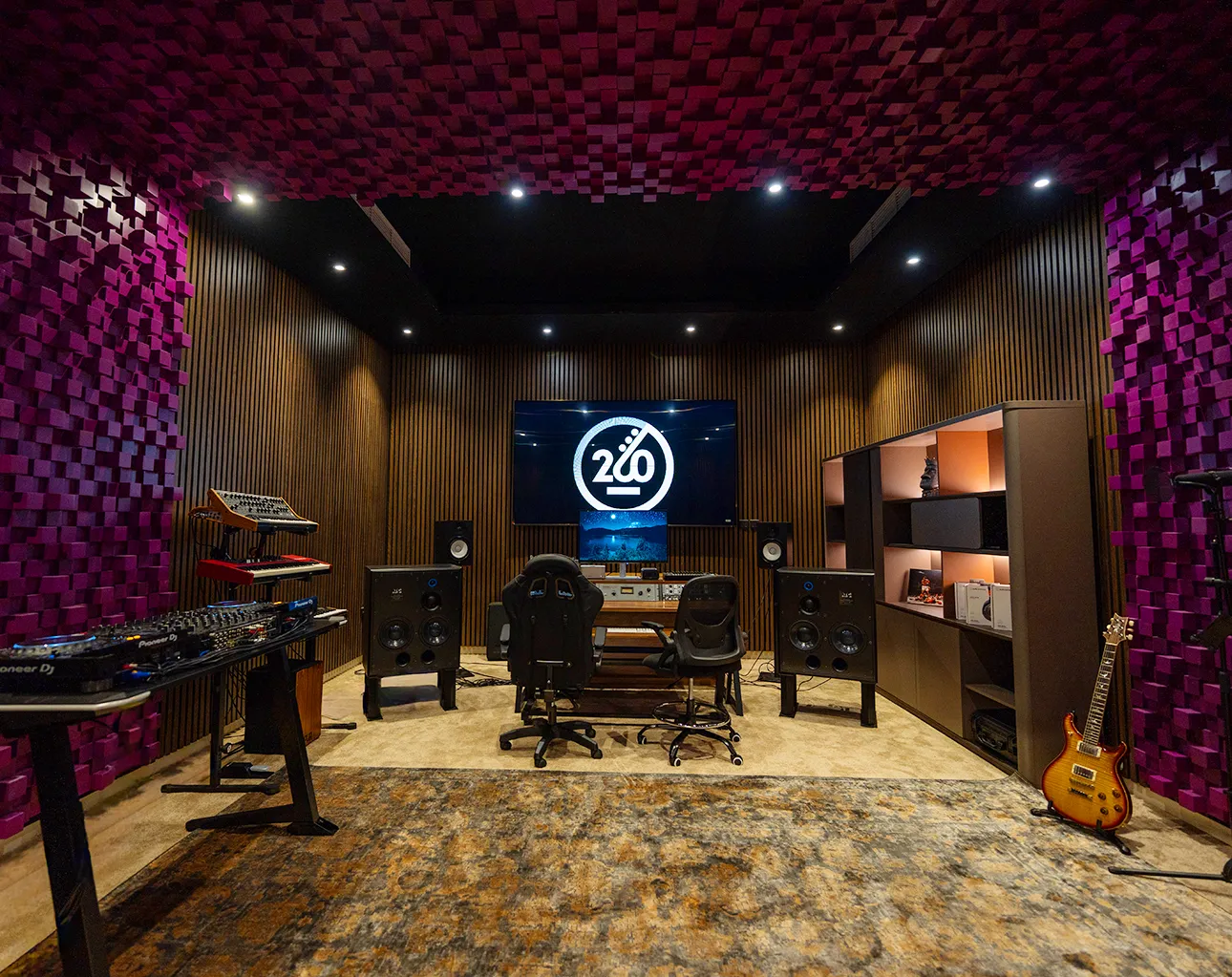
On the rehearsal floor, a low drum hit may sound obvious to the producer but disappear to dancers listening across the floor. The cue they need can be as brief as a rim click. When the cast runs the new recording, the producer can see whether the sound lands where the dancers need it.
Studio 260, Mystic Family’s recording studio in Dubai, prepares original show music and performance edits alongside the company’s choreography team. For clients commissioning custom music for stage performances, the work starts with a version the dancers can test. Once the venue receives the approved track, the dance team should already know where playback begins and which sound ends the piece.
Plan the Entrance and Exit
Event producers often know their allotted minutes when they commission a piece, but the music’s duration comes down to what happens at either end. If the host’s introduction and the film sit four minutes apart, reserve a portion of that interval for stage movement outside the music. The stage manager may hold the first note until the host clears the stage, and the dancers may need a few seconds to exit after the final chord. Both timings belong in the discussion with the composer.
Inside a fixed slot, the choreographer can identify the moments where a musical change has a job to do. When the second group enters from the opposite wing, for instance, a drum figure can tell them when to start the crossing. If the last pose has to meet a blackout, the producer needs to know whether the pose lands on the final hit or after its decay. The choreographer can test both choices with a rough recording and a rehearsal blackout.
Write a Draft the Dancers Can Count
Producers usually have a choice between starting with a rhythm for the cast to try and writing around a phrase the choreographer already wants to keep. On the first rehearsal track, the producer can leave a gap in the arrangement so the dance team can decide where the body needs to pause. For an existing sequence, a short rehearsal video paired with a count sheet can show where a turn begins and where the weight has to land.
Musical bars and dance counts refer to the same passage in different ways, so the most productive feedback names the movement and its place in the audio. “Add four counts after the low drum hit so the back line reaches center” tells the producer what needs to move. If a music edit affects later entrances, the dancers can go straight to the next group entrance on their next run and check it against the revised version.

Use Rehearsal to Decide What to Change
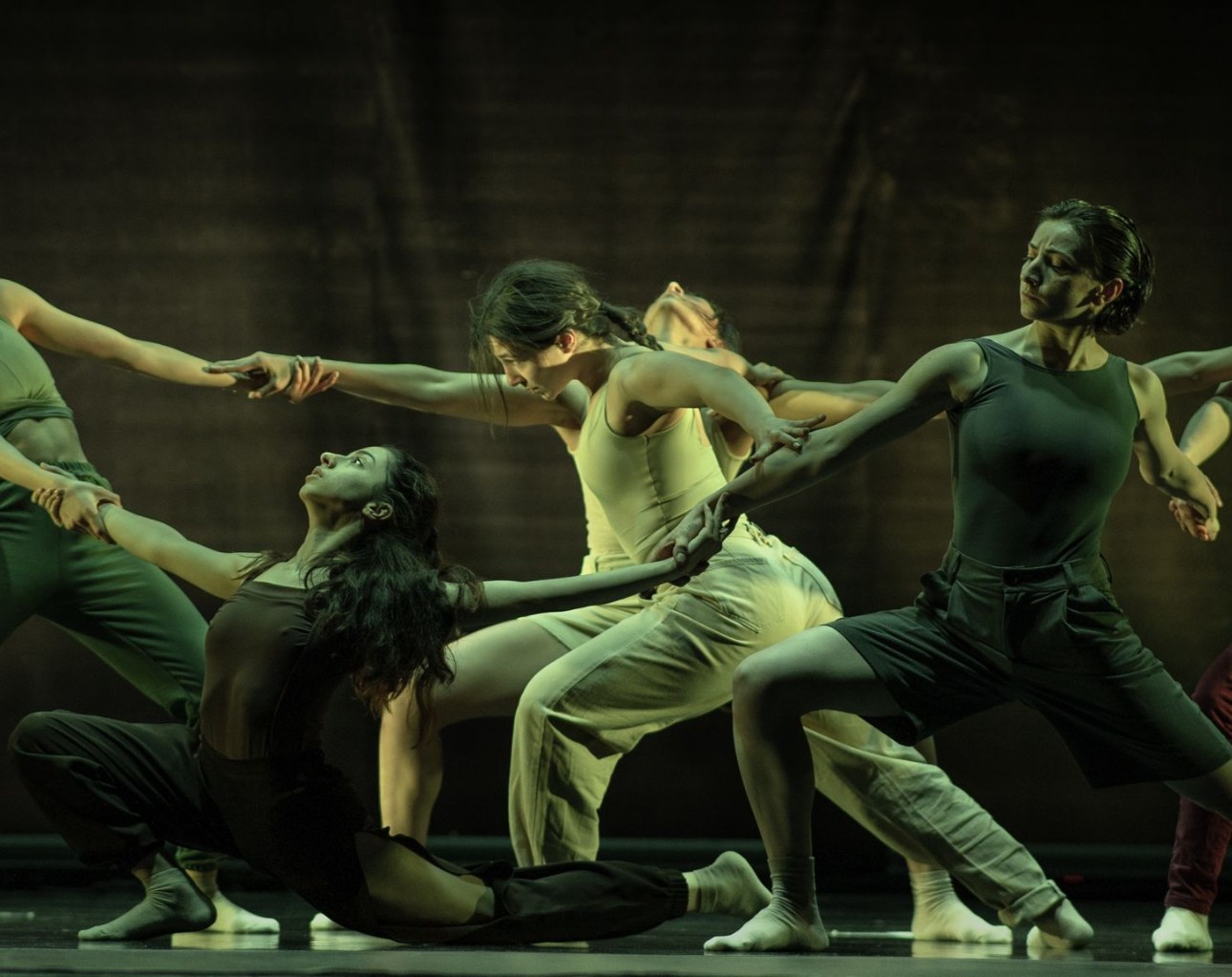
The entire cast needs to try the draft if part of the dance sends people toward opposite ends of the rehearsal floor. As the music rises, the cast may pick different moments to move. The producer can shorten the rise or add an audible beat at the point the choreographer wants the cast to move.
If the timing issue lies with the movement or the rehearsal layout, the choreographer may choose to leave the music untouched. When a cue arrives at the right time in the recording, but the dancers hear it unevenly across the stage, speaker and monitor placement should be tested at the venue. For a change to the recording, send a timestamp and name the movement the cast needs to finish at that point. The next producer to open the project then has the reason for the edit beside the timestamp.
Decide Which Cues Need a Person
Playback operators need to know which musical changes follow a fixed interval and which depend on an action they can see or a call they can hear. Once a dance sequence starts, the score often runs as a single piece. After a speech, a separate cue lets the stage manager wait for the speaker to clear the performance area. The next track can begin at the actual handoff, even when the speech takes an extra minute.
In QLab, the audio cue pairs its source file with a playback destination, as the audio cue guide explains. Run-throughs let the operator and stage manager check cue numbers against the running order and test a restart at a point the cast recognizes. Rehearse the recovery with the dancers in place so the team knows whether to resume within the piece or return to the opening.

Send the Venue What It Will Play
For an act danced to recorded music, a stereo master and matching backup may cover the venue’s needs. If a singer performs over the score and the venue expects separate tracks to set levels during soundcheck, the mix engineer can export stems with a common start time. Ask the venue which files its playback operator wants, then export to the agreed specification.
Version labels are worth a few minutes when the studio and sound crew hold different rehearsal copies. Use the same cue ID in the running order and the filename, and add a revision date the operator can read at a glance. The person approving the show file should listen through the exported version to the end and confirm that any deliberate silence is part of the track. Test the backup on the playback equipment assigned to the show.

Commission the Score and Rehearsal Together
Mystic Family’s production team can discuss the track and the choreography together, so a cue change reaches the cast while the piece is still in rehearsal. When the same event will be filmed, establish with the producer how the recording will be used at the brief stage. Live playback and postproduction may call for different files. List both uses in the music agreement.
Send Mystic Family the running order and the point at which the first dancer needs to appear if you already know it. Where the event format is still open, a call with the recording and choreography teams can pin down how much time the music has and which event cue it follows.