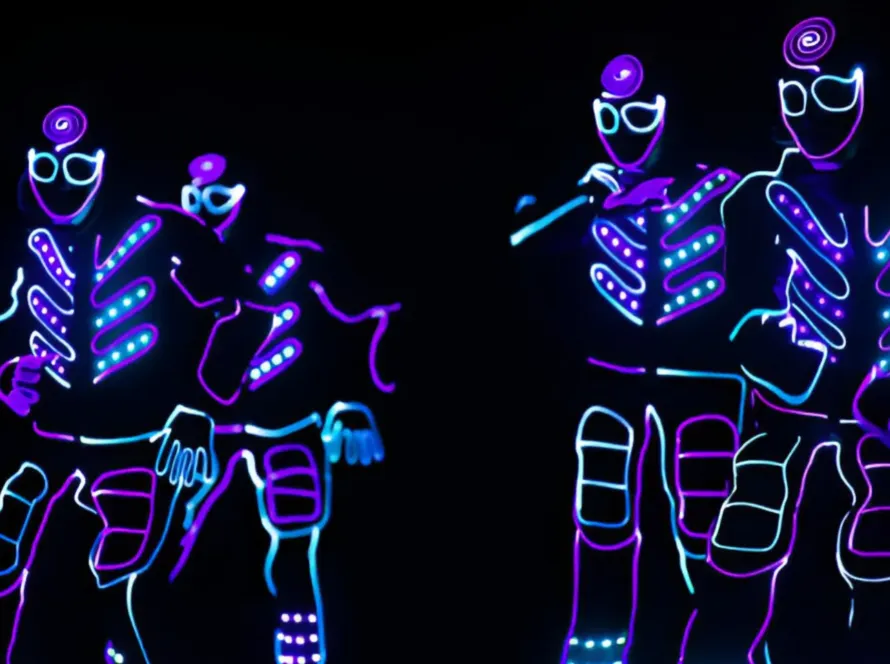
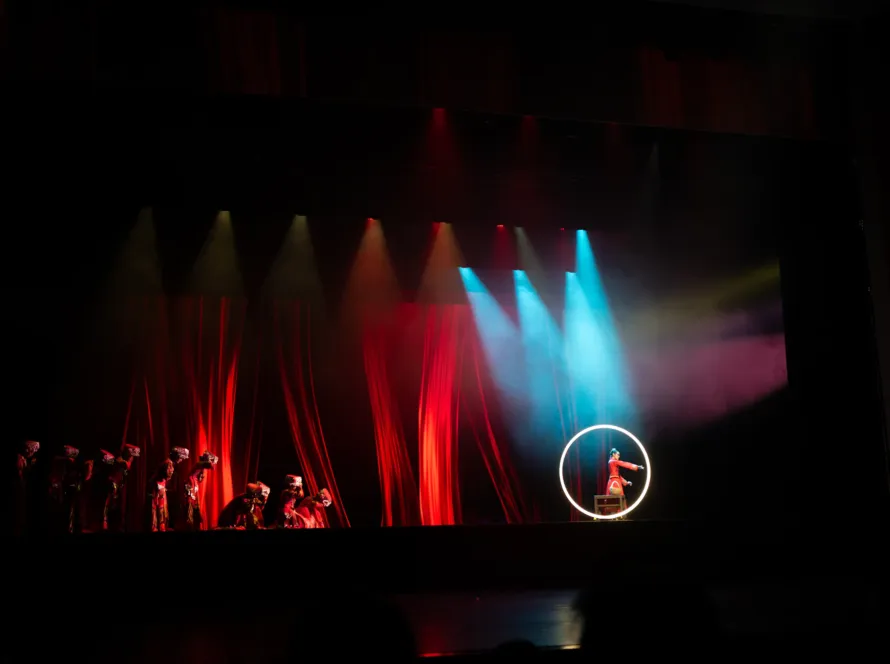
Professional performers commission costumes for a specific role, so the design brief needs to describe the artist’s appearance and physical work. Producers commissioning custom stage costumes in Dubai approve a design for construction, then review the garment on its assigned performer. Vocalists holding microphones have different garment requirements from dancers performing partner work.
Mystic Family’s Costume Design Atelier designs and makes costumes through its own cutting and sewing workshops, with custom work for professional performers. Producers can approach the design discussion with a performance brief and an agreed budget. Useful decisions concern the costume’s character and the performer who will wear it, with approval points scheduled around the production calendar.
Describe the Role in the Design Brief
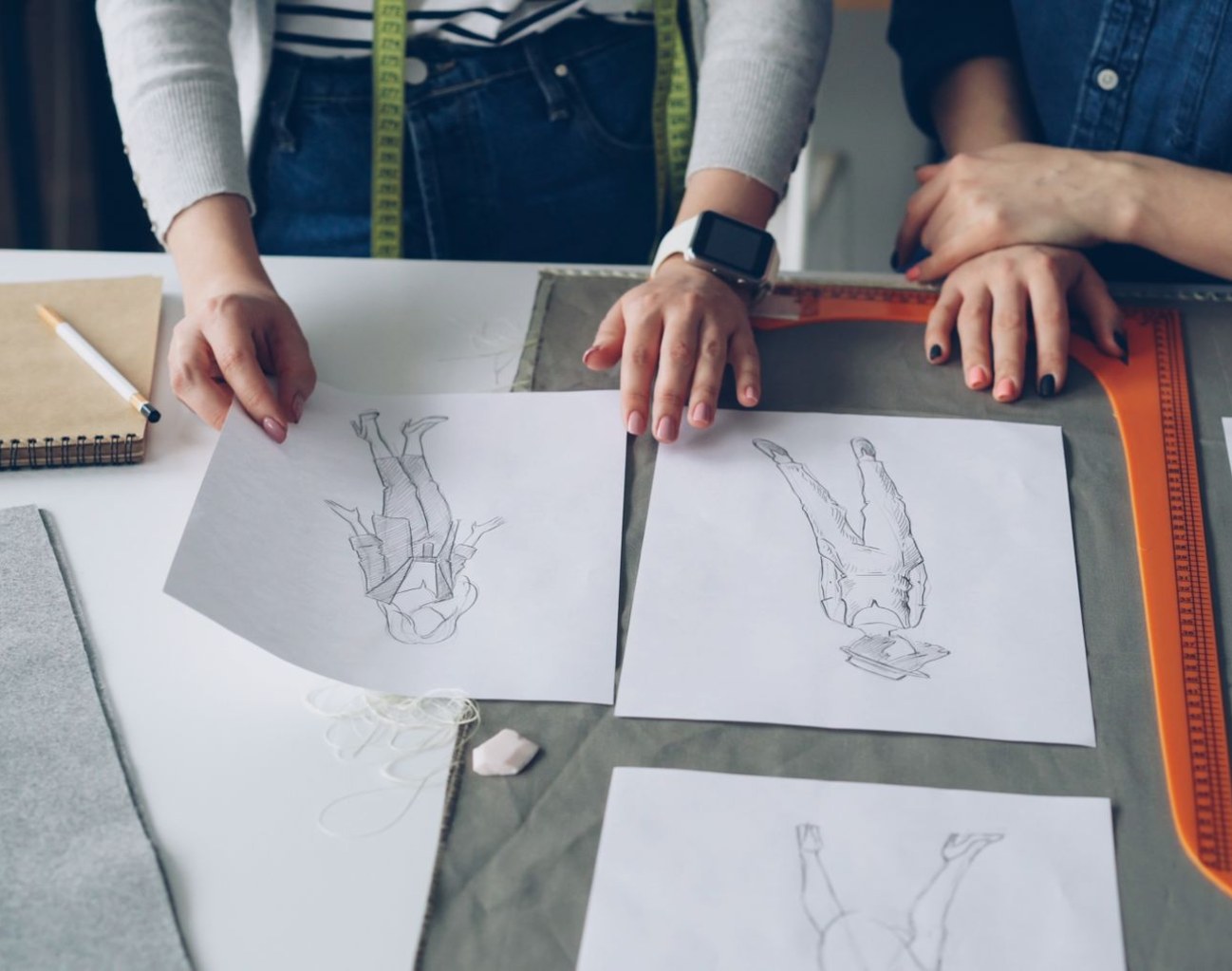
The designer needs a description of the character’s place in the performance, supported by visual references with a stated purpose for the commission. Specify a historical period when the role calls for one. For an abstract dance production, describe how the costume should express the choreography’s mood. Explain which detail prompted a photograph’s selection; the designer might otherwise interpret its color as the request.
Label reference images with the particular detail you want to discuss, so the designer can develop an original proposal from a specific starting point. Brand teams should supply their approved color references when corporate identity forms part of the commission. Cultural references deserve an informed discussion with the relevant artists, especially when a garment carries meaning within a performance tradition.
Agree on the commission’s extent while the design remains open to revision, with the complete outfit specified in the proposed work. Footwear or a headpiece may come from a separate supplier. Confirm those arrangements with the production team so the designer can review the complete appearance on the performer.
Review Drawings as Production Proposals
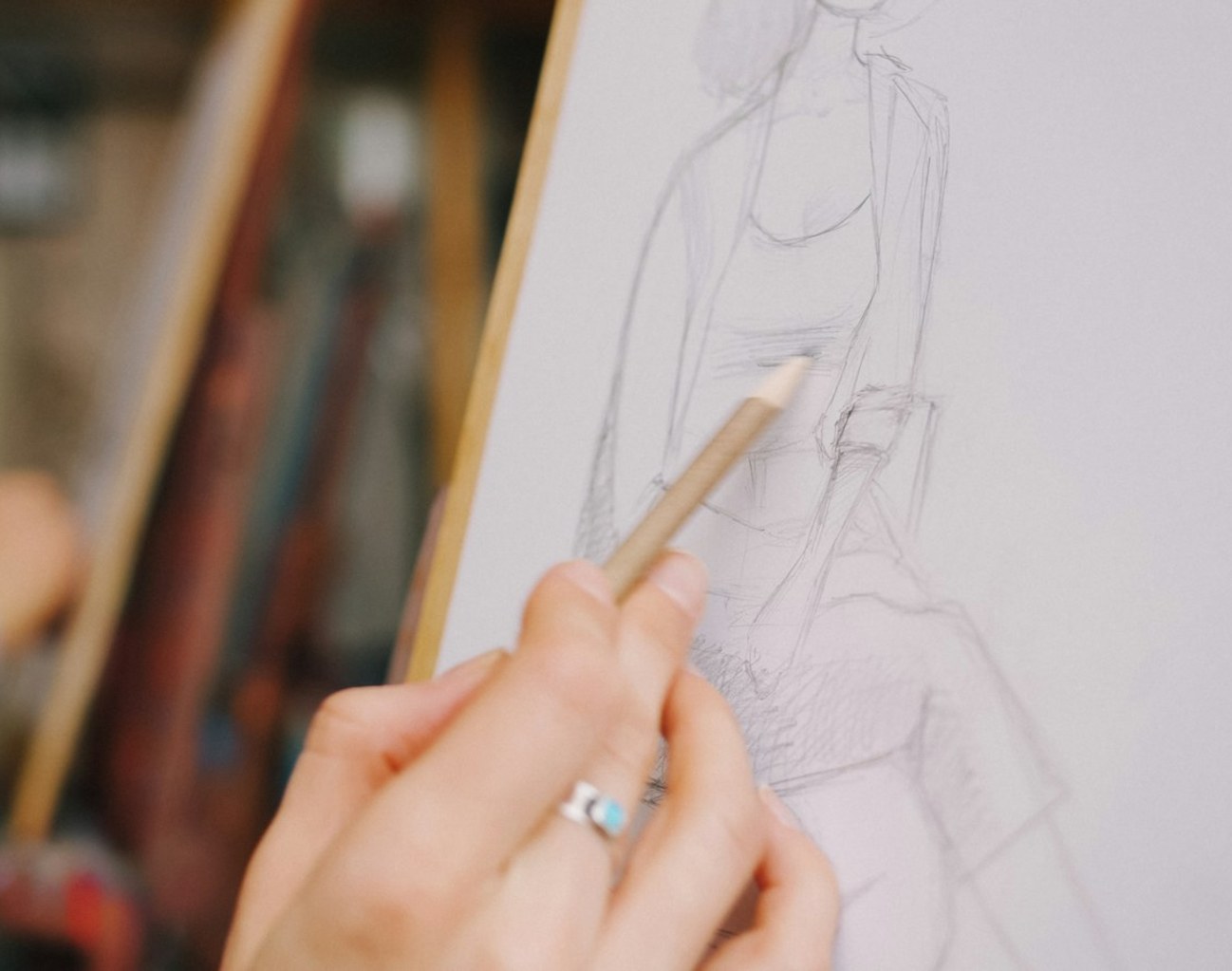
Costume drawings should include sufficient construction details for the producer to discuss how the proposed garment will look on a real body. Ask to see a rear view when the performance includes turns or rear-facing formations. Sleeves drawn close to the body merit a conversation concerning arm movement. Long fabric sections require discussion with the choreographer concerning their place in the dance.
The Royal Shakespeare Company’s account of costume production describes designers discussing requirements with costume staff, followed by material selection and pattern work. Its cutters prepare patterns for individual designs, and makers construct garments for fittings. Costume supervisors coordinate the work, and the designer returns to review the costume at the fitting.
Record the approved design version with its selected fabric sample, then confirm which decisions remain open for the fitting. Illustrations establish the intended silhouette for discussion with the maker. The maker assesses the fit when the performer tries on the garment. Keep any later design change attached to the relevant version so the maker receives a current instruction.
Choose Materials for the Proposed Garment

Discuss fabric samples alongside the costume drawing so the designer can explain the relationship between the selected material and the proposed construction. Voluminous sleeves require a material that can support the proposed shape. Handle the proposed sample and review its appearance against the drawing. Ask the maker how the chosen material will affect the garment’s fit.
Decorative details should be reviewed alongside the costume drawing, particularly when the audience will see the performer at a considerable distance. The designer and client can assess a sample section from the expected viewing distance to judge the proposed finish. Where lighting affects the intended appearance, arrange a separate review with the production’s lighting team.
Prepare for a Useful First Fitting
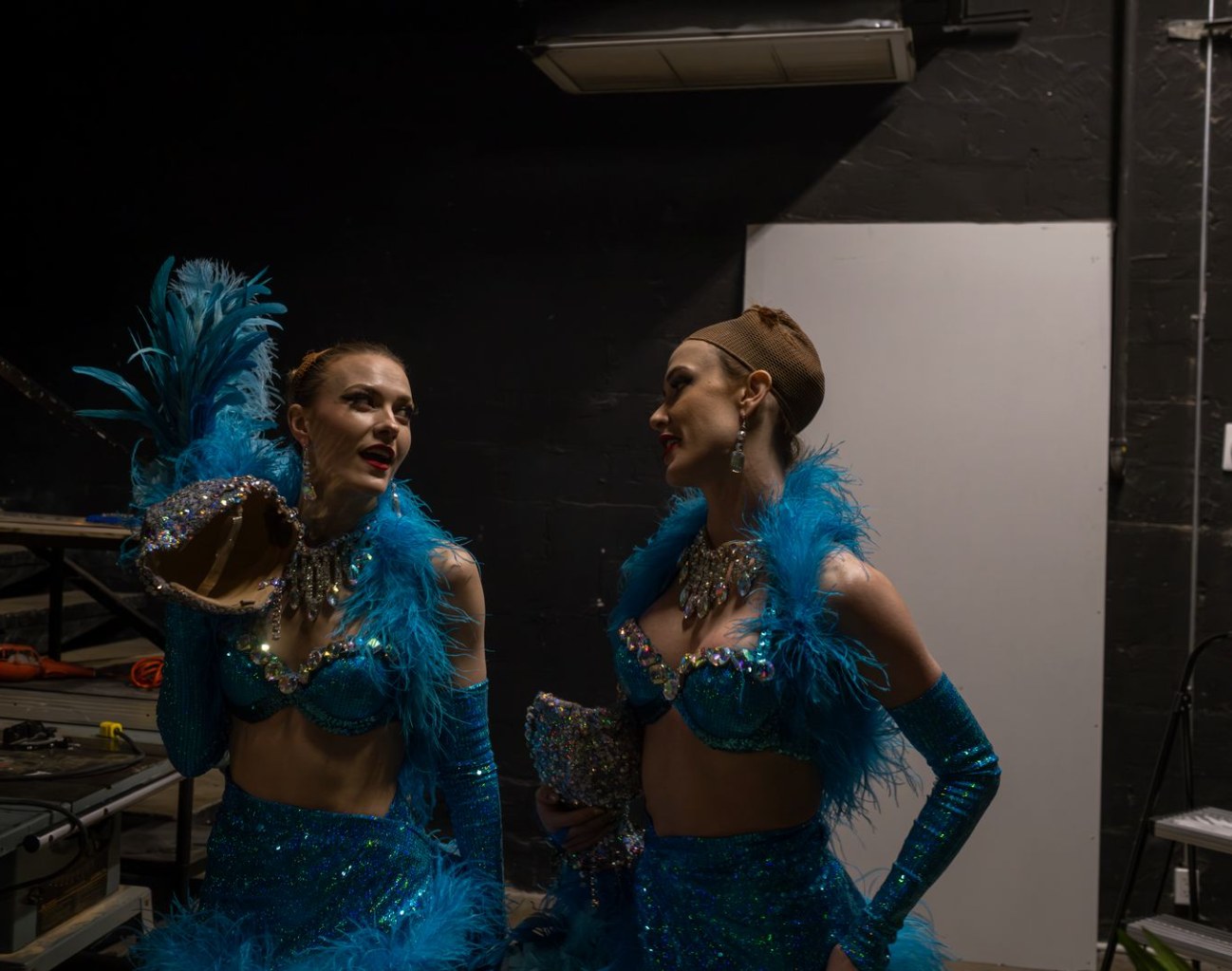
The first fitting needs the actual performer and the relevant performance items, with enough scheduled time for the maker to assess the garment. Confirm which shoes the artist should wear for the appointment. Costume length can then be assessed with the intended footwear. Ask the designer what other items the performer should have available for the fitting.
Concordia University’s costume-fitting guidance describes fittings as collaborative appointments and asks performers to report concerns with comfort or movement. Its guidance encourages designers to attend rehearsals and observe how their costumes work. Reserve fitting appointments within the rehearsal calendar and confirm the designer’s attendance.
In the fitting appointment, ask the performer to describe where a sleeve pulls or a waistband feels restrictive so the maker can examine the fit. The maker assesses the reported issue and proposes an alteration. Separate comments concerning fit from requests for a new visual direction. Changes to the approved silhouette may require further design work, which deserves its own discussion with the atelier.
Check the Costume During the Performance
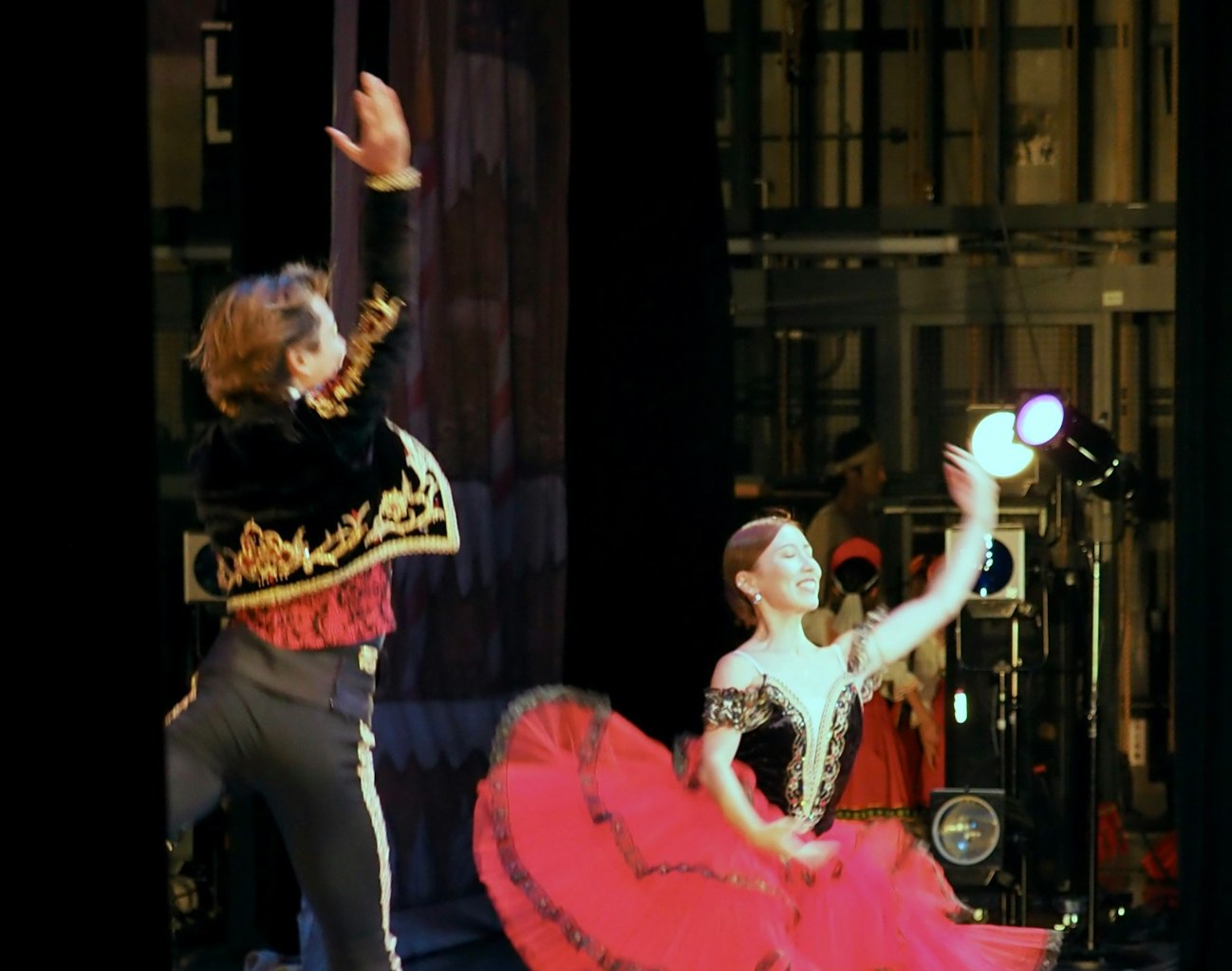
Rehearsal allows the designer to observe the costume in full dance passages, particularly when the choreography includes floor work or partner contact. Mystic Family’s choreographers work with costumes as part of performance development. Send the designer a rehearsal recording and identify the passage needing a costume review.
Use the relevant section of the performance for the review and ask the performer to identify any difficulty with the costume. Singers rehearse with the intended microphone arrangement for a review of its placement against the costume. For dance costumes, the choreographer supervises the agreed passage. Qualified production staff should assess any costume requirement involving specialist performance equipment.
Schedule the Alteration Review and Handover
The production calendar needs time for alterations after the fitting, followed by a review of the revised garment on its assigned performer. Agree on those appointments with the atelier when the commission is discussed. Fixed delivery promises require confirmation against the actual design and available production time. Notify the designer when the cast changes so the revised fitting appointments can be arranged.
Confirm the finished costume’s included pieces at handover and ask the atelier for care instructions appropriate to the approved materials and decoration. Mystic Family’s dance-performance booking checklist provides a separate planning reference for the event’s rehearsal arrangements. Producers commissioning custom stage costumes in Dubai can send Mystic Family their performance brief and proposed date, then discuss design development with the Costume Design Atelier.