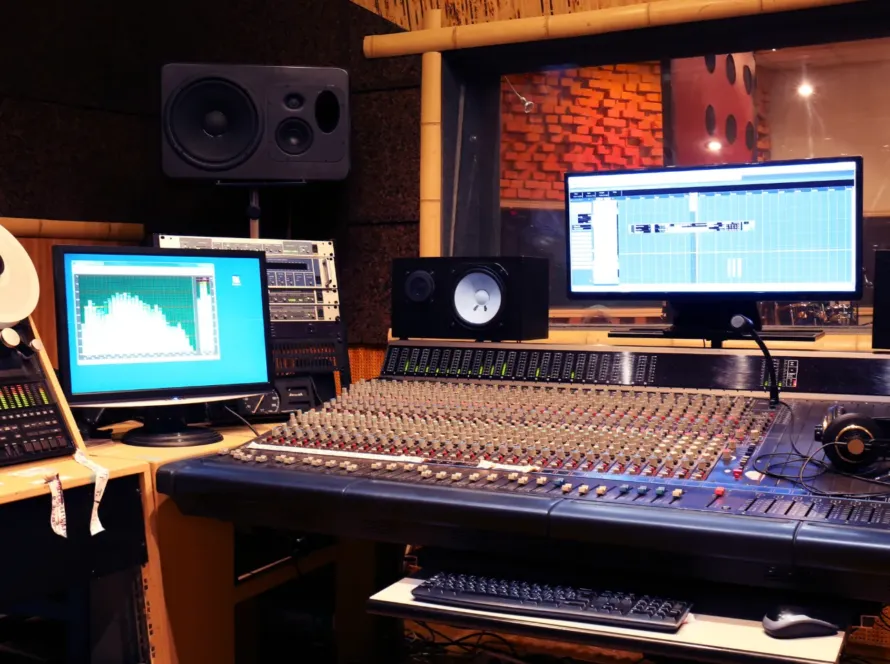
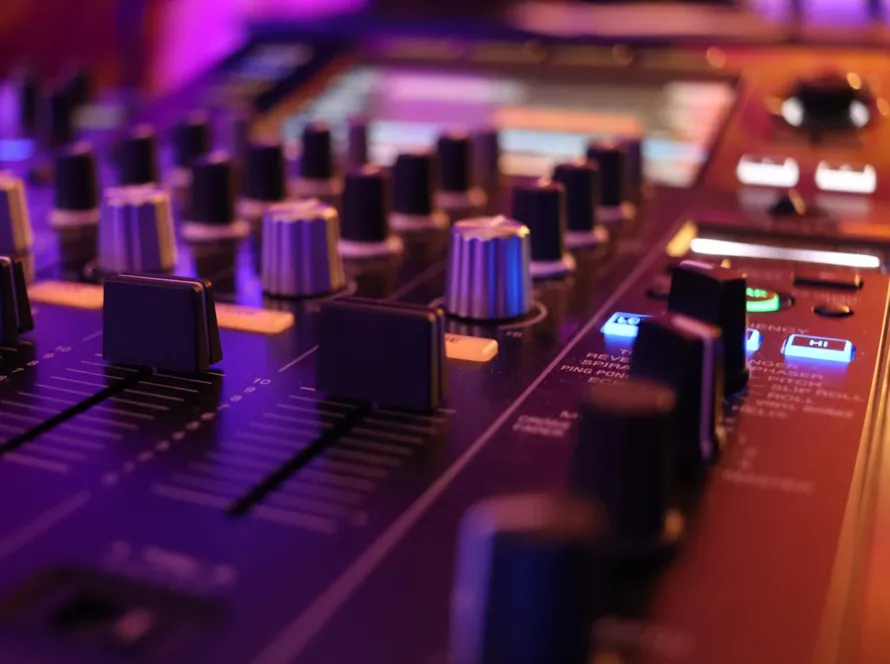
Professional vocal recording starts with decisions that affect the recorded performance, particularly the microphone position and the processing applied during a take. Artists choosing a vocal recording studio in Dubai can use an initial test passage to discuss those decisions with the engineer. Studio 260, Mystic Family’s audio production studio inside Domansion in Al Awir, supports vocal sessions for music releases and commercial projects. Its inventory includes Sony C-800G and Manley Reference Cardioid microphones, with analog processing available for a session-specific recording path.
Prepare a Session Brief Around the Vocal
The producer needs the current instrumental and a clear description of the intended vocal sound to plan a session around the actual song. Specify which sections need lead vocals, then identify any harmony parts that require additional takes. For spoken work, provide the approved script alongside the intended playback context. Commercial timing restrictions belong in the brief so the artist can rehearse within the required duration.
Reference audio becomes useful when the artist identifies a particular vocal characteristic and explains where it appears in the selected passage. Describe the desired distance between the singer and listener, or point to a phrase whose delivery matches the project’s direction. The engineer can then discuss an appropriate test. Session planning should distinguish recording time from subsequent editing, with the requested mix work agreed as a separate production stage.

Test the Microphone Against the Performance
Microphone choice benefits from a recorded test that includes the song’s softer passage and its loudest section at the intended performance level. Studio 260’s published equipment overview identifies the Sony C-800G alongside the Manley Reference Cardioid. Shure SM7B microphones provide another option in the inventory. The session team can confirm equipment availability and assess a suitable selection for the singer.
Shure’s vocal recording guidance describes how microphone character interacts with an individual voice, which makes the actual performance a useful basis for selection. Listen for the consonants in a recorded phrase, then assess the sustained vowels against the instrumental. Repeat the same passage for a useful comparison between proposed setups. Engineers should check playback levels during that comparison so apparent loudness receives separate consideration from vocal tone.
Set the Distance and Acoustic Conditions
The singer’s distance from a directional microphone affects the recorded bass response, with closer placement producing the proximity effect described by Shure. Large movements during a take can change that response between phrases. Agree on a comfortable position during the test, then rehearse any movement required by the performance. Written setup notes can preserve the selected distance for an additional recording date.
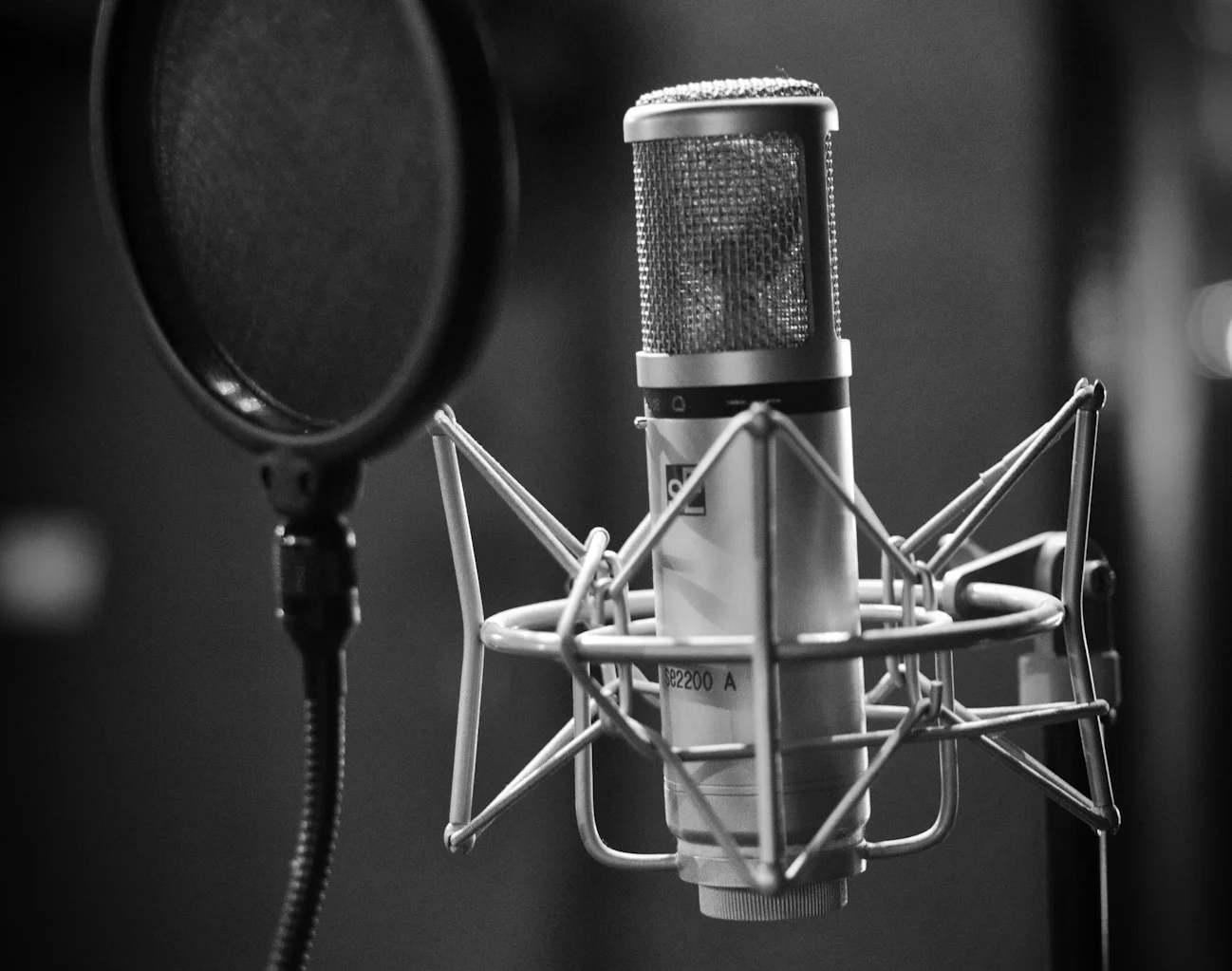
Neumann’s session setup guidance suggests a starting distance around 20–30 centimeters, with a pop filter positioned between the performer and microphone. Treat that measurement as a starting reference for an engineer-led test. The chosen microphone and vocal delivery determine the final placement. Acoustic checks should include a brief recording of background sound, followed by a test phrase at the agreed position. The engineer can assess reflections and adjust the setup using the available treatment.
Lyric sheets deserve a position that supports comfortable reading while keeping reflective surfaces away from the microphone’s immediate recording area during the take. Neumann identifies even a sheet behind the microphone as a possible influence on vocal tone. The singer can test the reading angle during rehearsal. Closed-back headphones provide a suitable monitoring option, with the studio loudspeakers muted throughout microphone recording.
Discuss the Analog Recording Path
Studio 260’s recording equipment includes an AMS Neve 1073DPX preamp, which increases the microphone signal to a usable level for the recording system. Tube-Tech CL 2A and Universal Audio LA-2A compressors provide options for analog level processing. The Apollo x8 audio interface connects the analog equipment with the digital session. Confirm the proposed routing with the studio team and request an explanation of the signal path selected for the session.
The engineer can assess optional compression during the test passage and explain which processing will become part of the saved vocal recording. Analog processing placed in the recorded signal path affects the signal reaching the converter. Agree on that sound during playback, especially when a separate producer will receive the files for mixing. Session notes should identify the chosen microphone and document the settings used in the approved path.
Separate Recording Level from Headphone Volume
The recording meter needs sufficient margin for louder phrases so the performer can deliver the song’s strongest passage within the converter’s available range. Universal Audio’s Apollo recording guidance suggests peaks around minus 12 dBFS, with some peaks near minus 10 dBFS. Engineers can use these values as a starting point for their assessment. The first recorded take provides another opportunity to review peak levels against the actual performance.
Headphone balance deserves its own rehearsal check, with the singer hearing the live vocal alongside the instrumental at a comfortable listening level. Neumann recommends changing the headphone level when the performer requests more volume. The recording gain remains a separate adjustment. Universal Audio describes an auxiliary reverb feed that reaches the headphones while the saved vocal remains dry. Ask the engineer to confirm the recorded path and the monitoring path during the test.
Plan the Edit and File Handoff
Selected phrases from several takes can form the edited lead performance, with the producer assessing the delivery against the song’s musical direction. Studio 260 can discuss vocal comping as part of the editing scope. Identify preferred takes during playback and retain their session labels for the editor. Any request for pitch correction belongs in the agreed production brief, with the intended treatment discussed using a recorded example.
File requirements should identify the next production stage and the receiving engineer’s needs so the handoff includes usable material for that assignment. Confirm the required audio format with the studio team. For a session continuing elsewhere, agree on file timing and naming conventions. Request written notes identifying the processing already applied to the delivered audio. Storage arrangements and commercial usage terms belong in the project agreement.

Arrange a Vocal Session at Studio 260
Mystic Family’s Studio 260 profile introduces its recording facilities in Dubai, where artists can discuss projects that connect audio production with filmed content. Contact the team with the song’s current status and preferred recording date to discuss the session scope. Confirm engineer attendance for the booking. The studio can prepare an official quotation after reviewing the requested work, with editing or mix services included according to the agreed brief.